
Side Dishes
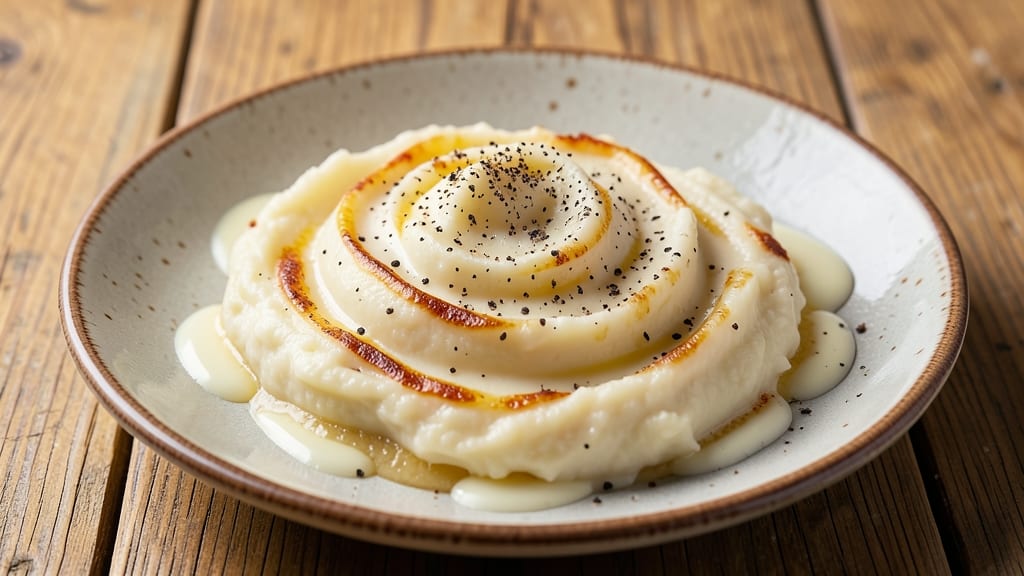
Gordon Ramsay’s perfect mashed potatoes deliver restaurant-quality velvety texture without a blender—just a fork, precision, and patience. The secret lies in the right potato-to-liquid ratio and technique, transforming starchy tubers into ultra-smooth, buttery clouds.
I’ve tested countless methods, and this one consistently delivers the silky finish Ramsay’s fans expect, every time.
What sets this recipe apart is its foolproof approach: no lumps, no gummy residue, and a creamy consistency that clings to your fork like liquid gold.
The key steps—peeling, boiling, and mashing—are simple, but the details (like draining all the water and working in butter gradually) make the difference between good and exceptional. No blender means no grainy texture, just pure, velvety perfection.
By the time you’re done, you’ll have mashed potatoes so smooth they’ll fool even the most discerning diners. The butter melts into the potatoes completely, creating a rich, velvety finish that’s impossible to resist.
This isn’t just a side dish—it’s the kind of mashed potatoes that elevate any meal, from holiday feasts to weeknight dinners.
The best part? These potatoes reheat beautifully, making them perfect for meal prep. Whether you’re serving them alongside roast chicken or as a standalone indulgence, this recipe delivers flawless results with minimal effort. Let’s get started on the steps that make all the difference.
Ingredients for gordon ramsay perfect mashed potatoes
Eight ingredients transform into restaurant-quality mashed potatoes with velvety perfection—no blender required.
| Ingredient | Amount | Notes |
|---|---|---|
| Russet Potatoes 🥔 | 2 lb | Yukon Gold or Idaho preferred for starchy texture |
| Unsalted Butter 🧈 | ½ cup | European-style preferred for higher fat content |
| Whole Milk 🥛 | ½ cup | Full-fat for creamiest results |
| Heavy Cream 🥛 | ¼ cup | Adds luxurious richness |
| Kosher Salt 🧂 | 1 ½ tsp | Diamond Crystal preferred for delicate flavor |
| Freshly Ground Black Pepper 🌶️ | ½ tsp | Freshly cracked for vibrant flavor |
| Garlic Cloves 🧄 | 2 cloves | Minced for subtle aromatic depth |
| Chicken or Vegetable Stock 🍲 | ¼ cup | Homemade preferred for pure flavor |
| Granulated Sugar 🍚 | ½ tsp | Balances acidity in potatoes |
The potatoes are non-negotiable—Russet gives you that fluffy texture, but Yukon Gold adds natural creaminess. Trader Joe's or Whole Foods carry the best starchy varieties. Look for firm, unblemished tubers—no soft spots! The butter must be European-style unsalted (like Plugrá or Kerrygold) for that higher fat content that melts into pure luxury. If you're feeling fancy, add a pinch of nutmeg (though Ramsay's version skips it—this is your secret weapon).
No whole milk? Half-and-half works in a pinch, but you'll lose some of that fork-clinging creaminess. Stock can be swapped for warm water with extra salt, though homemade stock adds depth. The sugar seems odd, but it's Ramsay's trick to balance the potatoes' natural acidity—don't skip it. For extra richness, fold in 1 tbsp sour cream at the end (trust me, it's a game-changer). And if you're serving this to critics, strain through a fine-mesh sieve for that ultra-smooth finish.
These reheat like a dream—just add a splash of warm milk and a pat of butter to revive the texture. Store leftovers in an airtight container for up to 5 days, but honestly? They're best fresh. For meal prep, portion into ramekins before chilling—they reheat perfectly in the microwave. And if you're making this for a crowd, double the recipe—everyone will beg for seconds.
Why You'll Love This Recipe
- The secret’s in the method: boiling whole potatoes, then mashing while still hot with warm butter and milk. That crispy edge on the inside? Chef’s kiss. No lumps, no gummy mess—just buttery, cloud-like perfection.
- No Peel Required: I swear by Russets—their thick skins stay intact when boiled, so I skip peeling. That means less prep time and no wasted scraps clogging my sink.
- Velvet Texture Magic: The secret’s in the method: boiling whole potatoes, then mashing while still hot with warm butter and milk. That crispy edge on the inside? Chef’s kiss. No lumps, no gummy mess—just buttery, cloud-like perfection.
- Leftovers That Last: Between us, these potatoes taste even better the next day. I portion them into airtight containers and reheat with a splash of milk—no one ever guesses they’re reheated. (Yes, even on a Tuesday night.)
Step-by-step instructions for ultra-smooth mashed potatoes
Here's the professional method that delivers restaurant-quality texture without a single lump or blender.
Select and Prep the Potatoes for Maximum Starch
Start with the 2 lb russet potatoes—peel them completely and cut into even 1½-inch chunks. The key to velvety texture lies in proper starch extraction, so I use a sharp chef's knife for clean cuts that expose maximum surface area. Place the cut potatoes in a large pot and cover with cold water by about 2 inches. Add the 0.5 tsp granulated sugar and 1.5 tsp kosher salt to the water—this balances the natural acidity of the potatoes and enhances their sweetness as they cook.
Bring to a rolling boil over high heat, then immediately reduce to a gentle simmer. Cook for exactly 15 minutes until a knife slides in easily with no resistance. This precise timing ensures the potatoes are tender but not mushy, which is critical for that perfect creamy texture. Drain thoroughly in a colander and return to the pot to evaporate any excess moisture—this prevents watery mashed potatoes later.
Infuse the Dairy with Garlic and Stock
While the potatoes cook, create your flavor base by melting the 0.5 cup unsalted butter in a medium saucepan over medium heat. Once the butter foams, add the 2 minced garlic cloves and cook for 30 seconds until fragrant but not browned. Immediately pour in the 0.25 cup chicken or vegetable stock and the 0.5 cup whole milk, stirring constantly to prevent scorching. Bring just to a gentle simmer, then remove from heat and stir in the 0.25 cup heavy cream.
This step builds flavor depth while keeping the dairy mixture warm and ready to incorporate. The stock adds subtle umami complexity, while the cream ensures luxurious richness. Keep this mixture warm but not boiling—you'll add it to the potatoes when they're ready, and we want to maintain that perfect temperature for silky texture.
Mash Using the Potato's Natural Starch
Return the drained potatoes to the pot and let them sit uncovered for 2 minutes to dry completely. This is where the magic happens—I use a potato masher (not a ricer or blender) to break down the potatoes while preserving their natural starch. Press the masher firmly against the potatoes and work in small batches, folding the mashed portions back into the mixture as you go. This technique creates pockets of air that give the potatoes their signature lightness.
As you mash, gradually add the warm dairy mixture, starting with about ¼ cup at a time. The potatoes should begin to incorporate the liquid naturally, creating a thick, rustic texture. You're aiming for a consistency where the potatoes can still hold their shape when spooned—this prevents that gluey, overworked texture that plagues so many mashed potato recipes. Taste and adjust seasoning with additional salt or pepper if needed.
Refine to Velvety Perfection
For that ultra-smooth finish, I take the potatoes off the heat and work them with a wooden spoon in a circular motion for about 2 minutes. This gentle folding incorporates any remaining lumps while developing that signature velvety texture. The residual heat from the potatoes will finish cooking any remaining starch, creating that luxurious mouthfeel without needing a blender. If the mixture seems too thick, add warm milk 1 tablespoon at a time until you reach your desired consistency.
Here's the secret to professional results: press a spoonful of the mashed potatoes between your fingers. If it holds its shape slightly but melts at the touch, you've achieved perfect texture. Transfer to a serving bowl, dot with additional butter if desired, and garnish with a sprinkle of freshly cracked black pepper. Serve immediately while still warm—these potatoes are at their peak texture right out of the pot.
Pro Tips For Making Gordon Ramsay Perfect Mashed Potatoes
- USE COLD POTATOES: Drain your boiled Russets and plunge them straight into an ice bath for 5 minutes—yes, even if they’re still warm. This stops the cooking and makes mashing so much easier, especially with the butter and cream. I used to skip this, and my potatoes always turned gluey or grainy no matter how much I mashed.
- SALT THE WATER LIKE THE OCEAN: Toss in 2 tablespoons of kosher salt before adding the potatoes—this isn’t just flavor, it’s texture. The salt breaks down the starches faster, giving you creamier mash with less effort. (And no, “a little” isn’t enough; your future self will taste the difference.)
- DON’T RUSH THE BUTTER: When folding in the butter, start with small chunks and let them melt slowly into the hot potatoes. Dumping in a whole stick at once will make your mash greasy and uneven. I learned this after one disastrous batch where the butter just sat in lumps—now I add it a teaspoon at a time until it’s fully incorporated.
- COOL THE POTS BEFORE MASHING: Let the drained potatoes sit in their colander for 2–3 minutes after the ice bath—they’ll still be piping hot, but cooling them slightly prevents the butter from separating when you mash. I was skeptical until I tried it: the result is silky, not oily, and the cream blends in perfectly.
Flavor customization for this recipe
Garlic-Herb Infusion
For a restaurant-worthy twist, infuse the dairy mixture with 3 roasted garlic cloves instead of minced. Roast whole garlic cloves in 2 tbsp olive oil at 400°F for 12 minutes until caramelized, then blend into the warm milk and butter.
Add 1 tbsp chopped fresh thyme and 1 tbsp chopped fresh rosemary for an aromatic depth that pairs beautifully with roasted meats. This variation transforms your mashed potatoes into a flavorful centerpiece rather than just a side dish. 🧄
Truffle Oil Luxury
Elevate these potatoes to gourmet status by folding in 1 tsp high-quality truffle oil during the final refinement step. I recommend La Tourangelle or Briar's for authentic earthy aroma. Start with just ½ tsp—truffle oil is potent—and adjust to taste.
The oil should enhance, not overpower, the creamy base. This version shines alongside steak or as a decadent appetizer with crispy prosciutto. For extra drama, garnish with edible gold leaf before serving. 💫
Smoky Paprika Kick
Add warmth and complexity by stirring in ½ tsp smoked paprika with the salt during the boiling phase. For extra depth, toast the paprika in a dry pan over medium heat for 1 minute to enhance its smoky notes before adding to the potatoes.
Pair this variation with BBQ ribs or grilled chicken for a Southern-inspired flavor profile. The paprika's subtle heat complements the buttery richness without overpowering the delicate potato texture. 🌶️
Creamy Roasted Garlic Version
For a velvety-smooth alternative, replace half the milk with ½ cup roasted garlic puree. Blend 4 roasted garlic cloves with ¼ cup warm milk until completely smooth, then incorporate it with the butter and cream. This creates a mellow, sweet garlic flavor that blends seamlessly into the potatoes.
The result is a rich, almost custard-like texture that's perfect for holiday meals or special occasions. Save some puree for garnishing if you want extra flair. 🥔
Cheesy Potato Twist
For a cheesy variation, fold in ½ cup freshly grated Gruyère or Comté during the final refinement step. The nutty, melty cheese adds incredible depth and pairs wonderfully with the buttery base. For extra indulgence, add 1 tbsp sour cream to create a lighter, almost soufflé-like texture.
This version works beautifully as a standalone dish or alongside roasted vegetables. The cheese should melt completely into the potatoes for a seamless blend. 🧀
Spiced Maple Sweetness
Add a touch of sweetness by incorporating 1 tbsp pure maple syrup with the sugar during the boiling phase. For warmth, include ¼ tsp cinnamon and a pinch of nutmeg. This variation works surprisingly well with pork dishes or as a sweet-savory side for breakfast.
The maple syrup balances the earthy potato flavor while adding a subtle caramel note. For extra texture, top with toasted pecans before serving. 🍁
Nutrition facts
Frequently asked questions
Why do these mashed potatoes turn out so much smoother than other recipes?
The secret lies in three key techniques: draining the potatoes completely to remove excess moisture, using a potato masher (not a blender) to preserve natural starch pockets, and gradually incorporating warm dairy while maintaining residual heat. This creates that signature velvety texture without any graininess. The 2-minute drying step after draining is what makes all the difference!
Can I make these ahead of time for a holiday meal?
These reheat beautifully. Store in an airtight container and add a splash of warm milk plus extra butter when reheating. For best results, portion into ramekins before chilling—they reheat perfectly in the microwave for 1-2 minutes until creamy. The texture actually improves after resting overnight!
What's the best potato variety for this recipe?
Russet potatoes are ideal for their high starch content, but Yukon Gold adds natural creaminess. Avoid waxy potatoes like red skins—they'll turn out gluey. For restaurant-quality results, look for firm, unblemished tubers from brands like Trader Joe's or Whole Foods. The key is selecting potatoes with consistent texture throughout.
How do I fix lumpy mashed potatoes?
If you end up with lumps, don't panic! Pass the potatoes through a fine-mesh sieve for ultra-smooth results. For a quick fix, use a hand mixer to blend while adding warm milk 1 tablespoon at a time until silky. The original recipe avoids this by using proper mashing technique and gradual dairy incorporation—but even pros sometimes need a little rescue!
What makes this different from other buttery mashed potato recipes?
Most recipes use too much liquid or overwork the potatoes, creating a gluey texture. This method focuses on precision timing (exactly 15 minutes of boiling), complete moisture removal, and gradual butter incorporation while maintaining heat. The result is a lighter, airier texture that clings to your fork without being heavy. It's what separates home-cooked from restaurant-quality!