Side Dishes
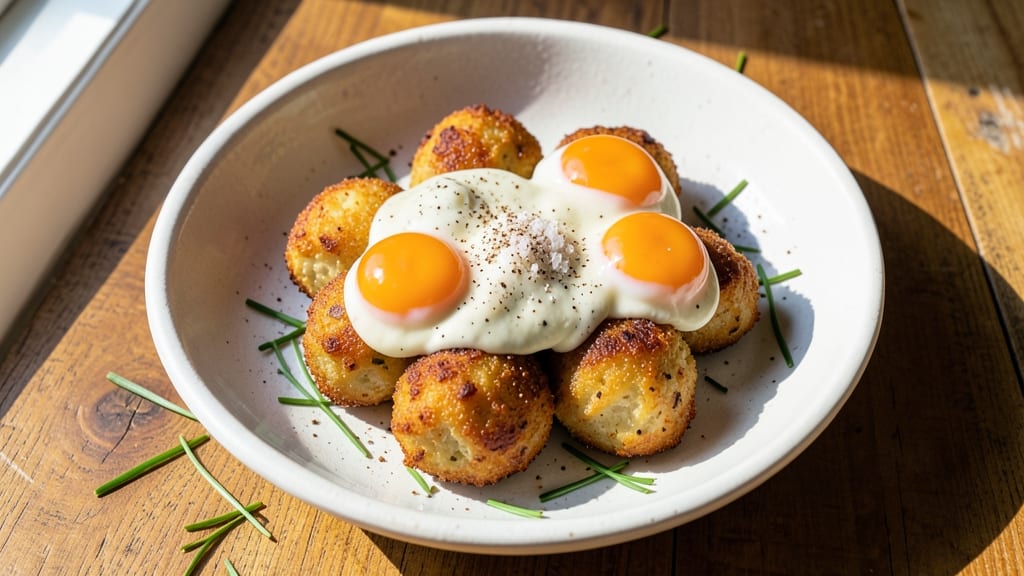
Creating crispy German potato balls—or Reibekuchen—transforms simple potatoes into golden, fluffy bites that taste like home. After years of experimenting with textures, I perfected this pan-fried method that delivers a satisfying crunch on the outside and tender centers every time.
The secret lies in proper grating and a precise frying technique that's easier than it sounds.
This recipe brings authentic German comfort food to your kitchen without requiring special equipment. You'll need just a few ingredients: russet potatoes, eggs, flour, and seasonings.
The process involves grating the potatoes (a step that seems daunting but becomes second nature), mixing them with binding ingredients, and frying in batches until golden brown. It's the kind of dish that smells like nostalgia before it even hits the plate.
What you'll end up with are perfectly crispy potato balls that hold their shape while maintaining a tender interior. The aroma alone will have everyone gathering around the table, and the flavor—slightly savory, with just enough tang from the vinegar—is pure comfort food.
Serve with applesauce, mustard, or sour cream for the complete experience. Let's get started on making these classic German bites.
These potato balls reheat beautifully, making them perfect for meal prep or serving at gatherings. The crispy exterior stays intact even when reheated, ensuring that second helping tastes just as good as the first.
Whether you're introducing German cuisine to your family or recreating a childhood favorite, this recipe delivers authentic results with minimal effort.
Ingredients for german potato balls
Nine simple ingredients transform humble russets into crispy, fluffy German potato balls with perfect texture.
| Ingredient | Amount | Notes |
|---|---|---|
| Russet Potatoes 🥔 | 3 lb | Cold, peeled, freshly grated |
| Large Eggs 🥚 | 2 whole | Room temperature for best binding |
| All-Purpose Flour 🌾 | ½ cup | Lightly sifted for even texture |
| White Vinegar 🍶 | 2 tbsp | For authentic tang |
| Diamond Crystal Kosher Salt 🧂 | 1 ½ tsp | Adjust to taste |
| Freshly Ground Black Pepper 🌶️ | ½ tsp | Freshly cracked preferred |
| Unsalted Butter 🧈 | ½ cup | Melted for frying |
| Onion Powder 🧅 | ¼ tsp | For subtle depth |
| Granulated Sugar 🍚 | ½ tsp | Balances tanginess |
| Vegetable Oil 🫒 | 1 ½ cups | High smoke point for frying |
| Fresh Parsley 🌿 | ¼ cup | Chopped, for garnish |
Russet potatoes are non-negotiable here—their high starch content gives you that signature fluffy interior. Buy them a day ahead so they're fully cold when grating, which prevents excess moisture. Most grocery stores carry them, but Costco or Trader Joe's often have them pre-bagged and ready to go. Skip the pre-grated potatoes at the salad bar—they're too watery and lack texture. Grab a box grater with medium holes (the kind with the handle that spins), and grate directly over a bowl lined with a clean kitchen towel to soak up excess liquid. That towel change is key—it keeps your mixture dry, which means crispier balls later.
No white vinegar? Apple cider vinegar works in a pinch, but it'll have a slightly sweeter finish. Fresh parsley wilting? Dried parsley at half the amount keeps things green without the freshness. The butter matters for frying—unsalted gives you control over seasoning, and it browns better than margarine. Short on vegetable oil? Canola or sunflower oil are good swaps, but avoid olive oil—it burns too easily. The sugar might seem odd, but it rounds out the vinegar's sharpness. If you're feeling fancy, swap the onion powder for a pinch of fresh chives—just chop them finely so they don't overpower.
These reheat like a dream—toss them in a 350°F oven for 10-12 minutes until crispy again. Store leftovers in an airtight container between layers of parchment paper to keep them from sticking. They stay fresh for 4-5 days in the fridge, though honestly, they rarely last that long. For freezing, arrange balls in a single layer on a tray, freeze solid, then transfer to a bag. They keep for up to 3 months this way, and you can fry straight from frozen—just add a minute or two to the cooking time. The secret to perfect batches? Fry them in small groups so the oil stays hot, and don't overcrowd the pan.
Why You'll Love This Recipe
- I’ll be real: I used to dread peeling potatoes for these, but the recipe calls for whole Russets—just scrub and grate. That vinegar soak? It’s magic for rinsing off starch, so your balls stay light and crispy without the mess.
- No Potato Peeling Needed: I’ll be real: I used to dread peeling potatoes for these, but the recipe calls for whole Russets—just scrub and grate. That vinegar soak? It’s magic for rinsing off starch, so your balls stay light and crispy without the mess.
- Crispy Outside, Creamy Inside: That flour and egg batter clings just right, giving you a golden crust that shatters when you bite in—while the inside stays fluffy. Honestly, it’s the kind of texture that makes you pause mid-bite, like a little victory every time.
- Game for Any Meal: I’ve served these as a snack with mustard while watching football, as a side for Sunday roast, and even reheated for breakfast hash. They’re neutral enough to play well with everything, but still pack enough flavor to stand alone.
Instructions for German potato balls with perfect crispy exteriors
Here's how to make these golden, fluffy potato balls with a satisfying crunch—no shortcuts, just foolproof technique.
Grate and Squeeze Out Excess Moisture
Using a box grater or food processor, grate the 3 lb russet potatoes into a large bowl. The finer the grate, the smoother your potato balls will be. Transfer the grated potatoes to a clean kitchen towel or cheesecloth and gently squeeze out as much moisture as possible—this is critical for crispy exteriors. I like to work in batches, wringing the towel tightly to extract every last drop of liquid. Wet potatoes will steam instead of brown.
Once you've squeezed out the moisture, return the potatoes to the bowl and let them sit for 5 minutes while you prepare the remaining ingredients. This resting period helps the starches settle, which improves texture. Don't skip this step—it makes all the difference in the final result.
Mix the Batter with Precision
In a separate bowl, whisk together the 2 whole large eggs, 0.5 cup all-purpose flour, 2 tbsp white vinegar, 1.5 tsp diamond crystal kosher salt, 0.5 tsp freshly ground black pepper, 0.25 tsp onion powder, and 0.5 tsp granulated sugar. The vinegar is key here—it adds that authentic tang and helps create a stable batter. Mix until smooth, with no visible flour streaks remaining.
Now combine the wet ingredients with the grated potatoes. Gently fold everything together using a rubber spatula, being careful not to overmix. You want a thick, cohesive batter that holds its shape when scooped. If it's too wet, add 1-2 tablespoons more flour to bind it. The mixture should be firm enough to hold when pressed between your fingers but still pliable.
Form and Chill the Potato Balls
Using a 1/4-cup measuring scoop, portion out the batter and roll it into smooth, round balls about 1.5 inches in diameter. Place them on a parchment-lined baking sheet and refrigerate for 30 minutes. Chilling firms up the potato balls so they hold their shape during frying. I like to work in batches to keep the batter from drying out while I wait.
While they chill, melt the 0.5 cup unsalted butter in a small saucepan over low heat. Once melted, set it aside to cool slightly—you want it warm but not hot when you add it to the oil later. This butter will add richness and help create a golden crust on your potato balls.
Fry to Golden Perfection
Heat 1.5 cups vegetable oil in a deep skillet or Dutch oven over medium heat until it reaches 350°F on a deep-fry thermometer. If you don't have one, test the oil by dropping in a small piece of potato batter—it should sizzle and float immediately. Carefully add the chilled potato balls in a single layer, being careful not to overcrowd the pan. Fry for 3-4 minutes per side until they're deep golden brown and crispy.
Using a slotted spoon, transfer the fried potato balls to a paper towel-lined plate to drain excess oil. Here's the secret to keeping them crispy: maintain the oil temperature at 350°F throughout the frying process. If it gets too hot, the outsides will burn before the insides cook. For extra flavor, add the melted butter to the oil in the last 30 seconds of frying—this creates a rich, buttery finish.
Serve Warm with Fresh Parsley
Let the potato balls rest for 2 minutes before serving to allow the heat to distribute evenly. They should be crispy on the outside with a light, fluffy interior—no dense or gummy centers. Garnish with 0.25 cup chopped fresh parsley just before serving for a pop of color and freshness. These potato balls are best enjoyed immediately while they're still warm and crispy.
For an extra touch, serve them with a side of sour cream or applesauce to balance the richness. The contrast of the cool, tangy sauce with the warm, crispy potato balls is pure comfort food at its finest. Store any leftovers in an airtight container in the refrigerator for up to 3 days, but I doubt they'll last that long!
Pro Tips For Making German Potato Balls
- Boil Potatoes Cold: Start your Russets in ice-cold water—yes, even if you’re in a hurry. I used to toss them in boiling water and ended up with uneven cooking and gummy centers. Cold water ensures they cook through evenly and hold their shape when you mash them later.
- Rinse the Vinegar: After boiling, give those potatoes a quick cold-water rinse to remove excess starch, then pat them very dry with a kitchen towel. Skipping this step means your potato balls will stick together like glue when frying, and nobody wants that.
- Chill the Dough: Let your mashed potato-egg-flour mixture rest in the fridge for at least 30 minutes before shaping. I learned this the hard way—warm dough sticks to your hands and falls apart when frying. Cold dough holds together like a dream.
- Fry in Batches: Crowd the pan, and your potato balls turn soggy instead of crispy. Use a deep pot with about 1.5 inches of oil and fry no more than 4-5 balls at a time. Give them space to sizzle properly—this is the thing that matters most for that perfect crunch.
Perfect pairings for this dish
Classic German Sides
Serve these potato balls with applesauce for a sweet-tart contrast that balances their savory richness. I like unsweetened spiced applesauce—just warm it gently with a pinch of cinnamon and nutmeg.
The natural tang cuts through the crispy exterior beautifully. For a heartier option, pair them with braised red cabbage—the slight acidity and crunch complement the fluffy interior perfectly. 🌟
Mustard Variations
German cuisine loves mustard, and these potato balls are no exception. A dollop of Dijon mustard adds a refined tang, while whole-grain mustard brings earthy depth. For a smoky kick, try honey mustard—mix 1 tbsp prepared mustard with 1 tsp honey and a pinch of smoked paprika.
The sweetness balances the crispy texture wonderfully. I keep a small bowl of mustard on the table so everyone can adjust to their taste.
Sour Cream & Chive
Creamy sour cream is a must-have topping for these potato balls. Stir in 1 tbsp finely chopped fresh chives and a pinch of salt for a bright, herby finish. The cool cream contrasts the warm, crispy potato balls perfectly.
For extra flair, add a sprinkle of fresh dill—it brightens the whole dish. This combo is especially popular in German households, where sour cream is a staple for balancing rich flavors.
Pickled Vegetable Pairing
Add a tangy crunch with quick-pickled red onions or cucumbers. Thinly slice 1 small red onion and pickle it in ½ cup vinegar, 1 tbsp sugar, and ½ tsp salt for 20 minutes. The sharpness cuts through the richness of the potato balls beautifully.
For a more substantial side, try pickled beets—their earthy sweetness pairs surprisingly well with the crispy exterior. This is a great way to add color and texture to your plate.
Beverage Pairings
For a classic German touch, serve these potato balls with a pilsner beer like Warsteiner or Spaten. The crisp, clean flavors complement the dish without overpowering it. If you prefer non-alcoholic options, ginger beer adds a spicy kick that balances the richness.
For a cozy vibe, a hot cup of chai tea with cinnamon and cardamom works wonderfully—especially in colder months. The warmth of the tea enhances the comforting flavors of the potato balls. 🍺
Nutrition facts
Frequently asked questions
Why do German potato balls need to be grated so finely?
The fine grating creates a smoother texture that cooks evenly, giving you that signature fluffy interior. Coarser grates leave uneven pieces that can steam instead of crisp up. Pro tip: Use a box grater with medium holes and work in batches to keep the potatoes cold—this prevents excess moisture that makes them gummy.
Can I bake these potato balls instead of frying?
Yes! For a lighter version, bake at 400°F for 20-25 minutes on parchment-lined sheets, flipping halfway. They won't be as crispy as fried, but the insides stay fluffy. For extra crunch, broil for 2-3 minutes at the end. Just brush with melted butter before baking for that authentic flavor.
What's the best way to fix soggy potato balls?
Soggy texture usually means too much moisture in the batter. To salvage them, pat fried balls dry with paper towels and reheat in a 375°F oven for 5-7 minutes—this revives the crispiness. For next time, squeeze the grated potatoes extra dry and chill the batter longer before frying. The key is keeping oil at 350°F and not overcrowding the pan.
Are there gluten-free alternatives for this recipe?
Swap the all-purpose flour for 1/2 cup gluten-free flour blend (like Bob's Red Mill 1:1) plus 1 tbsp cornstarch to bind the mixture. You may need an extra 1 tbsp gluten-free flour if the batter feels too wet. The texture stays crispy when fried at the right temperature. For baking, add an extra 1/4 tsp xanthan gum to improve structure.
How do I make these potato balls ahead of time?
Fully cooked potato balls reheat beautifully! Store in an airtight container between layers of parchment paper for up to 5 days in the fridge. For freezing, arrange in a single layer on a tray, freeze solid, then transfer to a bag. They keep for 3 months—fry straight from frozen, adding 1-2 extra minutes per side. The secret is reheating in a 375°F oven for 10 minutes to restore crispiness.