
Side Dishes
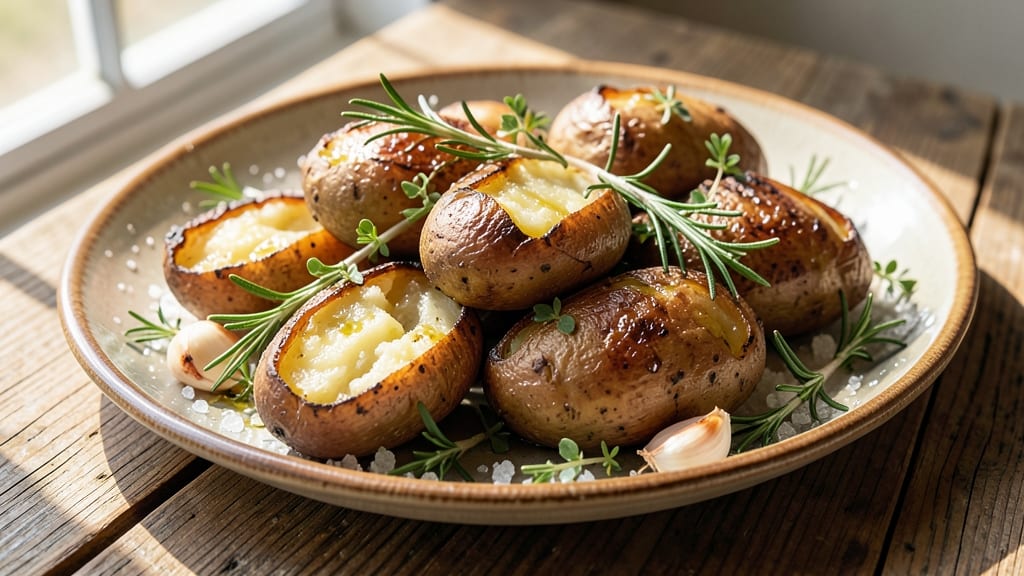
This herb-infused fallow potato recipe transforms humble potatoes into a showstopping side that rivals any restaurant dish. The secret lies in slow-roasting until tender, then finishing with a tangy golden vinegar glaze that adds depth and shine.
I developed this method after years of perfecting the balance between crispy edges and fluffy interiors—something many home cooks struggle with.
The process begins with carefully selected fallow potatoes, which hold their shape beautifully when roasted. A blend of fresh rosemary, thyme, and garlic infuses them with aromatic richness, while the vinegar glaze caramelizes into a sticky, glossy finish.
This technique ensures every bite delivers both texture and flavor—no soggy or overcooked potatoes here.
What makes this recipe stand out is its versatility. Serve alongside roasted meats for a hearty meal or pair with grilled fish for a lighter option. The golden glaze elevates simple potatoes into something special, perfect for holiday tables or weeknight dinners where you want to impress without fuss.
Ready in just 45 minutes, this dish delivers restaurant-quality results with minimal effort. The key is patience—letting the potatoes roast low and slow ensures they turn out perfectly tender every time. Trust me, once you try this method, you'll never settle for plain boiled potatoes again.
Ingredients for fallow potato
Eleven ingredients transform simple potatoes into a restaurant-worthy centerpiece.
| Ingredient | Amount | Notes |
|---|---|---|
| Fallow Potatoes 🥔 | 2 lb | Medium size, unpeeled, cut into 1-inch chunks |
| Extra-Virgin Olive Oil 🫒 | ⅓ cup | High-quality, fruity variety for roasting |
| Fresh Rosemary 🌿 | ¼ cup | Finely chopped, stems removed |
| Fresh Thyme Leaves 🌿 | 2 tbsp | Or 1 tsp dried thyme if fresh unavailable |
| Garlic Cloves 🧄 | 6 cloves | Minced, for aromatic infusion |
| Diamond Crystal Kosher Salt 🧂 | 1 ½ tsp | For seasoning and glaze |
| White Wine Vinegar 🍷 | ¼ cup | For tangy glaze, aged variety preferred |
| Honey 🍯 | 2 tbsp | Wildflower for floral depth |
| Unsalted Butter 🧈 | 2 tbsp | Cold, for finishing glaze |
| Freshly Ground Black Pepper 🌶️ | ½ tsp | Cracked peppercorns preferred |
| Granulated Garlic 🧄 | ½ tsp | For glaze texture |
The foundation begins with fallow potatoes—their waxy texture holds shape beautifully during roasting. Whole Foods Market or local farm stands carry the best quality, often labeled as 'waxy' or 'new potatoes'. Look for firm, unblemished tubers with vibrant skin; avoid any with sprouts or soft spots. Medium size (1-2 inches) ensures even cooking. If only russets are available, cut them into 1-inch cubes and parboil for 5 minutes to prevent over-browning. The extra-virgin olive oil should be a fruity, peppery variety—California Gold or Colavita are excellent choices. For the herbs, fresh is non-negotiable here; rosemary's piney aroma and thyme's earthiness elevate the dish beyond standard seasoning.
No fresh rosemary? Substitute with 1 tbsp dried rosemary, but bloom it in the oil for 5 minutes before adding potatoes. White wine vinegar can be swapped for apple cider vinegar, though the flavor profile will differ slightly. If honey isn't available, maple syrup works in a pinch, though it lacks the floral complexity. For the garlic, granulated garlic is convenient but lacks freshness—minced fresh cloves deliver superior flavor. The unsalted butter should be cold when added to the glaze to create a silky finish. For a lower-carb option, replace half the potatoes with cauliflower florets (cut similarly) and reduce roasting time by 10 minutes. The glaze can be made 2 days ahead and reheated gently before drizzling.
Potatoes can be parboiled up to 24 hours ahead and stored in cold water to prevent browning. Fresh herbs should be wrapped in damp paper towels and refrigerated for no more than 5 days. The glaze ingredients keep indefinitely except for honey and butter, which should be stored in airtight containers at room temperature. Reheat leftovers in a 350°F oven for 10-15 minutes to restore crispiness. This dish freezes beautifully—assemble the glaze separately and drizzle after reheating. For holiday presentations, arrange potatoes on a slate board and drizzle with glaze in a zigzag pattern. The golden caramelization develops best when roasted at 400°F for 35 minutes, then reduced to 375°F for the final 10 minutes.
Why You'll Love This Recipe
- One-Pan Magic: I swear by this for nights when I’m too tired to wash another dish. Toss those fallow potatoes with olive oil, crushed garlic, and herbs, then roast until golden—no flipping, no fuss, just crispy edges and tender centers. Honestly, it’s the kind of recipe that makes me feel like a star chef without the stress.
- Herb-Packed Punch: Between us, that combo of rosemary and thyme with garlic? It’s like a flavor bomb. The herbs infuse into the potatoes as they roast, giving them this earthy, aromatic depth that’s so much better than plain old salted spuds. I’ll be real: my family fights over the last bite.
- Meal Prep MVP: I make a big batch on Sundays and keep them in the fridge for days. Cold or reheated, they’re perfect for salads, wraps, or just snacking straight from the pot. (Yes, even on a Tuesday night.) Plus, they reheat like a dream—no soggy mess here.
- Budget-Friendly Staple: Fallow potatoes are cheap, and this recipe uses pantry basics. A few sprigs of rosemary and thyme go a long way, and olive oil lasts forever. It’s the kind of dish that stretches your grocery budget without sacrificing taste—my wallet thanks me every time.
Step-by-step instructions for herb-infused roasted fallow potatoes
Transform simple fallow potatoes into a restaurant-worthy centerpiece with this herb-infused roast method.
Prepare the Potatoes for Even Roasting
Preheat your oven to 425°F with a rack positioned in the center position. This high heat ensures proper browning while maintaining moisture in the potatoes. While the oven heats, thoroughly rinse the 2 lb fallow potatoes under cold water to remove any dirt, then pat completely dry with kitchen towels. The potatoes should be completely dry—any residual moisture will prevent proper browning.
Using a sharp chef's knife, cut the potatoes into 1-inch chunks, ensuring each piece is roughly the same size for even cooking. Place the cut potatoes in a large mixing bowl and toss gently with 0.33 cup extra-virgin olive oil until each piece is lightly coated. This oil will create a crispy exterior while keeping the interior tender. Sprinkle with 1.5 tsp diamond crystal kosher salt and 0.5 tsp freshly ground black pepper, then toss again to distribute evenly.
Build the Herb Infusion Layer
In a small bowl, combine 0.25 cup finely chopped fresh rosemary and 2 tbsp fresh thyme leaves. Add 6 minced garlic cloves and toss to create a fragrant herb mixture. Sprinkle this herb blend evenly over the potatoes in the mixing bowl, then gently toss again to ensure every potato piece is coated with the aromatic herbs. The herbs will infuse the potatoes with their signature Mediterranean flavors during roasting.
Transfer the seasoned potatoes to a large, rimmed baking sheet lined with parchment paper. Arrange the potatoes in a single layer, leaving about ½ inch of space between each piece. This spacing allows hot air to circulate evenly, promoting crispy edges and tender centers. For best results, work in batches if your baking sheet is too small, as overcrowding will steam rather than roast the potatoes.
Roast Until Golden and Tender
Place the baking sheet in the preheated oven and roast for 30 minutes, stirring once halfway through cooking. This initial roast develops flavor and creates a light crust. After 30 minutes, check the potatoes—they should be beginning to brown but still firm to the touch. If they're browning too quickly, tent loosely with aluminum foil to prevent burning while allowing steam to escape.
Continue roasting for an additional 15-20 minutes until the potatoes are deep golden brown and tender when pierced with a fork. The edges should be crispy while the centers remain slightly firm. Remove the baking sheet from the oven and let the potatoes rest for 5 minutes before proceeding. This resting period allows the flavors to meld and prevents the potatoes from becoming overly dry when glazed.
Create the Golden Vinegar Glaze
While the potatoes rest, prepare the glaze by combining 0.25 cup white wine vinegar, 2 tbsp honey, and 0.5 tsp granulated garlic in a small saucepan. Place the saucepan over medium heat and bring to a gentle simmer, stirring occasionally. The mixture should reduce by about half, creating a syrupy consistency that will beautifully coat the potatoes.
Remove the saucepan from heat and whisk in 2 tbsp cold unsalted butter, allowing it to melt completely. The butter adds richness that balances the tangy vinegar and sweet honey. Taste the glaze and adjust seasoning with additional salt or pepper if needed. The glaze should be slightly sweet, tangy, and aromatic with hints of garlic.
Glaze and Finish the Potatoes
Return the roasted potatoes to the baking sheet and pour the warm glaze evenly over the top. Use a spatula to gently toss the potatoes, ensuring each piece is thoroughly coated with the glaze. Place the baking sheet back in the oven and broil for 2-3 minutes, watching closely to prevent burning. The broiler will caramelize the glaze, creating a beautiful golden finish.
Remove the potatoes from the oven and transfer them to a serving platter. The potatoes should be glistening with a glossy, golden sheen and perfectly crispy on the edges. Serve immediately while still warm, allowing the aroma of the herbs and vinegar glaze to enhance the dining experience. These herb-infused roasted potatoes make an excellent side dish for grilled meats or a hearty vegetarian main course.
Pro Tips For Making Fallow Potato
- PREHEAT THAT PAN: Fallow potatoes need serious heat to develop that crispy edge—don’t skimp. Get your pan smoking hot (medium-high to high) for 3-4 minutes before adding oil, or the potatoes will steam instead of sear. I learned this the hard way after making mushy, sad potatoes twice in a row.
- CHOP GARLIC FINE: Thinly sliced garlic (almost papery) toasts faster and blends better than chunks. Use a sharp knife and press down firmly—no need to mince into oblivion. Overcooked garlic turns bitter, and that’s a flavor train wreck you don’t want on these potatoes.
- SALT THE POTATOES: Season the cut potatoes with salt before cooking—they’ll absorb it while resting, not just sit salty on top. A pinch of flaky salt (or kosher) on each side guarantees flavor penetration. Trust me, your taste buds will notice the difference.
- REST THEM COVERED: After cooking, tent them with foil for 5-10 minutes—this traps steam and keeps them tender. I used to skip this, and the potatoes always ended up dry by the time I served them. (Yes, even if you’re impatient like me.)
Flavor customization for these flavors
Herb Variations
Swap the rosemary-thyme blend for fresh sage and parsley for a more earthy, slightly peppery flavor. Use 0.25 cup chopped sage and 0.25 cup chopped parsley instead, then add 1 tbsp lemon zest to brighten the dish.
For a Mediterranean twist, try oregano and marjoram—combine 1 tbsp dried oregano with 1 tsp marjoram and 1 tsp red pepper flakes for a subtle heat. 🌿
Spicy Kick Options
Add smoked paprika or chili flakes directly to the potatoes before roasting for warmth. I recommend 1 tsp smoked paprika with the initial seasoning, or sprinkle ½ tsp cayenne pepper over the glaze for a slow-building heat.
For a Cajun-inspired version, toss the potatoes with 1 tbsp Cajun seasoning (like Tony Chachere’s) before roasting. 🌶️
Sweet Glaze Twists
Replace honey with maple syrup for a deeper, caramel-like sweetness, or use brown sugar (2 tbsp) mixed with the vinegar for a molasses-like richness. For a citrus glaze, add 1 tbsp orange zest to the vinegar mixture and reduce it with 1 tbsp fresh orange juice instead of honey.
The acidity cuts through the potatoes beautifully. 🍊
Umami Boosters
Enhance the glaze with soy sauce or miso paste for a savory depth. Stir 1 tsp low-sodium soy sauce into the glaze before adding butter, or whisk in ½ tsp white miso paste for a Japanese-inspired touch.
For extra richness, fold 1 tbsp nutritional yeast into the glaze—it adds a cheesy, umami note without dairy. 🧀
Cheesy Finish
Top the glazed potatoes with shredded Gruyère or Parmesan during the final broil. Use ¼ cup shredded Gruyère for a nutty, melty finish or 2 tbsp grated Parmesan for a salty, sharp contrast.
The cheese melts into the glaze, creating a creamy, golden crust. For a vegan option, sprinkle with nutritional yeast instead. 🧀
Seasonal Adaptations
In fall, add cinnamon and nutmeg to the glaze—¼ tsp cinnamon and pinch of nutmeg complement the vinegar’s tang. For summer, swap honey for agave nectar and add ½ tsp fresh basil to the glaze.
In winter, incorporate crispy bacon bits into the glaze for a smoky, salty crunch. 🍂
Nutrition facts
Frequently asked questions
What makes fallow potatoes different from regular potatoes?
Fallow potatoes are typically waxy varieties with thin skins that hold their shape beautifully when roasted. Unlike starchy russets, they stay firm and creamy rather than falling apart. Their mild, slightly sweet flavor makes them perfect for roasting with herbs and glazes.
Can I substitute fallow potatoes with another variety?
Yes! Use any waxy potato like Yukon Gold or red potatoes. If you only have russets, cut them into 1-inch cubes and parboil for 5 minutes first to prevent over-browning. The texture will be slightly different but still delicious.
How do I know when the potatoes are fully cooked?
They're done when they're deep golden brown and tender when pierced with a fork. The edges should be crispy while the centers remain slightly firm—like a perfect roast. Overcooking will make them dry, so check at 35-40 minutes total roasting time.
What's the best way to store leftovers?
Let the potatoes cool completely, then store in an airtight container in the fridge for up to 4 days. To reheat, spread them on a baking sheet and warm at 350°F for 10-15 minutes to restore crispiness. The glaze may thicken but can be reheated with a splash of water.
Can I make this recipe ahead of time?
Roast the potatoes up to 2 days ahead and store them at room temperature. Make the glaze fresh and drizzle it over the warm potatoes just before serving. The flavors actually improve overnight as the herbs infuse deeper.