
Side Dishes
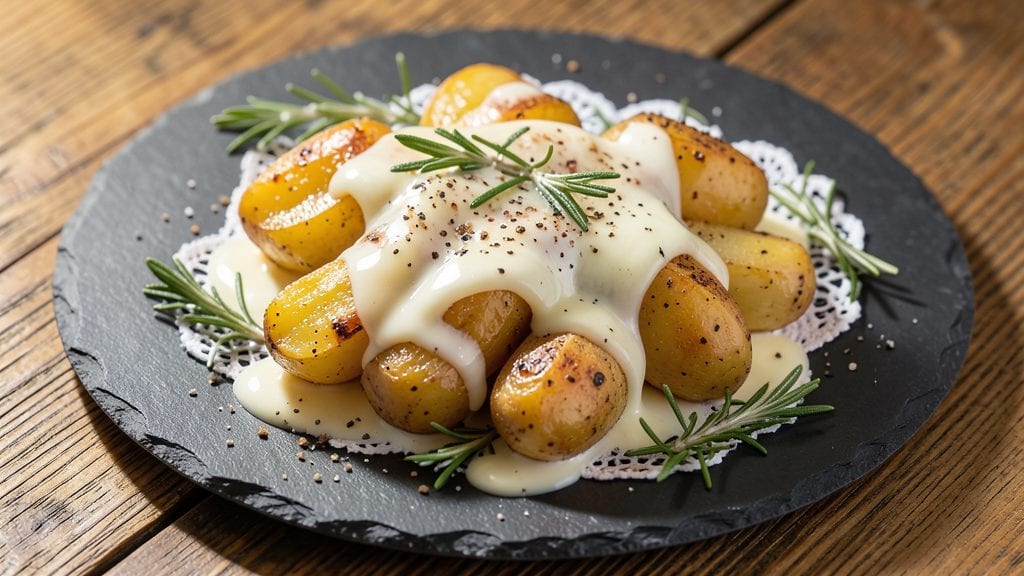
Transforming simple potato wedges into Dutch yellow potatoes with a golden crisp exterior and buttery vinegar tang is a game-changer for any meal.
This recipe delivers restaurant-quality results in just 45 minutes, combining the earthy sweetness of Dutch yellow potatoes with a tangy, savory finish that elevates them from side dish to star. The secret lies in the vinegar-infused butter—it creates that signature tang without overpowering the natural flavor of the potatoes.
What sets these wedges apart is their perfect balance of texture and flavor: crispy on the outside, tender inside, and coated in a buttery glaze that's both rich and bright.
Unlike traditional roasted potatoes, the vinegar in the butter adds a subtle acidity that cuts through the richness, making each bite more complex. This method works equally well for weeknight dinners or holiday feasts, and the ingredients list is short enough to keep prep simple.
The process is straightforward: cut the potatoes into even wedges, parboil them until tender, then bake until golden and crisp. Tossing them with the vinegar butter at the end seals in moisture while creating that signature tangy crust.
The result is a side dish that pairs beautifully with roasted meats, grilled fish, or even as a standalone appetizer. No one will believe it's just potatoes.
For added depth, consider sprinkling with fresh herbs like rosemary or thyme before baking, or a pinch of smoked paprika for extra warmth. The versatility of this recipe means it adapts to any occasion—whether you're serving a family dinner or hosting a dinner party.
Let's get started on creating these golden, tangy wedges that will impress everyone at the table.
Ingredients for dutch yellow potatoes
Eight ingredients transform humble potatoes into golden, tangy wedges with restaurant-quality texture and flavor.
| Ingredient | Amount | Notes |
|---|---|---|
| Dutch Yellow Potatoes 🥔 | 2 lb | Cut into 1.5-inch wedges |
| Unsalted Butter 🧈 | ½ cup | Cold, cubed for coating |
| White Wine Vinegar 🍷 | 1 tbsp | High-quality for tang |
| Kosher Salt 🧂 | 1 ½ tsp | Divided for parboiling |
| Black Pepper 🌶️ | ½ tsp | Freshly ground preferred |
| Fresh Rosemary 🌿 | 1 tbsp | Chopped, optional garnish |
| Smoked Paprika 🌶️ | ½ tsp | For extra warmth |
| Olive Oil 🫒 | 1 tbsp | For tossing before baking |
The Dutch yellow potatoes are the star—seek out the vibrant yellow variety at specialty grocers like Whole Foods or Trader Joe's for their earthy sweetness. Uniform wedges (about 1.5 inches) ensure even cooking. For the butter, European-style unsalted like Plugrá or President melts beautifully without overpowering. The vinegar should be pure white wine vinegar—avoid malt or apple cider, which can add unwanted sweetness. Fresh rosemary from the market adds aromatic depth, but dried works in a pinch (use half the amount).
No white wine vinegar? Apple cider vinegar or lemon juice (1 tbsp each) mimics the tang, though flavor will differ slightly. Substituting butter with equal parts olive oil and cream cheese works for dairy-free versions, though texture will be slightly softer. For smoked paprika, regular paprika plus a pinch of liquid smoke creates a similar effect. The olive oil should be light—extra-virgin adds bitterness that clashes with the delicate potatoes. Pre-cut frozen wedges (like Ore-Ida) save time but lack the fresh potato's natural sweetness.
Parboil the potatoes immediately after cutting to prevent browning—use within 1 hour of peeling. Store leftover wedges in an airtight container with parchment paper between layers for up to 3 days. Reheat in a 400°F oven for 10-12 minutes until crispy. For meal prep, bake extra wedges and freeze on a tray before transferring to a bag—reheat from frozen for 15-18 minutes. The vinegar butter can be made 1 day ahead and stored in the fridge, though texture will soften slightly.
Why You'll Love This Recipe
- Works for everything: a lazy Tuesday dinner or a side for Thanksgiving. Roast them ahead for meal prep, or toss them together last-minute when guests show up. They reheat beautifully—no one will guess they’re not fresh out of the oven.
- One-Pan Magic: I swear by this—just potatoes, butter, and a splash of vinegar on one sheet pan. No chopping, no peeling, no messier pots than necessary. The Dutch Yellows hold their shape perfectly, so you’re not stuck with mushy sides.
- Butter-Vinegar Bliss: That bright, tangy vinegar cuts through the richness of the butter in the best way. It’s like a little flavor bomb—salty, creamy, and just a hint of acidity that makes every bite irresistible. (Honestly, I’ve been known to eat them straight from the pan.)
- Weeknight & Holiday: Works for everything: a lazy Tuesday dinner or a side for Thanksgiving. Roast them ahead for meal prep, or toss them together last-minute when guests show up. They reheat beautifully—no one will guess they’re not fresh out of the oven.
Step-by-step instructions for Dutch yellow potatoes
This method delivers perfectly tender wedges with crisp edges and a bright, tangy butter sauce.
Parboil the Potatoes for Even Cooking
Place the 2 lb Dutch yellow potatoes in a large pot and cover with cold water. Add 1 teaspoon of the 1.5 teaspoons kosher salt and bring to a boil over medium-high heat. Once boiling, reduce heat to medium and cook for exactly 8 minutes. This partial cooking ensures the potatoes finish perfectly tender in the oven without becoming mushy.
Drain the potatoes immediately in a colander and let them steam-dry for 2 minutes. This step removes excess moisture that would otherwise prevent crisp edges. While they're draining, preheat your oven to 425°F. The high heat is essential for developing that signature crispy exterior while keeping the interiors fluffy.
Create the Flavorful Butter Sauce
In a large bowl, melt the 0.5 cup unsalted butter over low heat until completely liquid. Remove from heat and stir in the 1 tablespoon white wine vinegar, remaining 0.5 teaspoons kosher salt, 0.5 teaspoons black pepper, 0.5 teaspoons smoked paprika, and 1 tablespoon chopped fresh rosemary. Let the mixture cool slightly while you prepare the potatoes.
This sauce is what transforms ordinary potatoes into something extraordinary. The vinegar adds a bright tang that cuts through the richness of the butter, while the smoked paprika and rosemary infuse subtle warmth and herbal notes throughout each bite. The butter should be warm but not hot when you toss the potatoes to prevent premature melting.
Toss and Roast for Crispy Perfection
Using your hands, gently toss the warm potatoes with the 1 tablespoon olive oil until they're evenly coated. Transfer them to a large rimmed baking sheet, spreading them in a single layer with about 1 inch between each wedge. This spacing allows hot air to circulate and crisp all sides evenly.
Pour the butter mixture evenly over the potatoes, tossing once more to ensure complete coverage. Roast in the preheated 425°F oven for 25-30 minutes, stirring once halfway through, until the edges are golden brown and crisp while the interiors remain tender. The potatoes are done when they release easily from the baking sheet and have developed a caramelized crust.
Rest and Serve Immediately
Remove the potatoes from the oven and let them rest on the baking sheet for 5 minutes. This resting period allows the juices to redistribute, ensuring each bite is moist and flavorful. The potatoes will continue to crisp slightly as they cool, so don't overcook them in the oven.
Serve immediately while still warm, garnished with additional chopped fresh rosemary if desired. These potatoes make an excellent side dish for grilled meats or can stand alone as a satisfying vegetarian main course. The combination of crispy edges, tender centers, and that bright buttery tang creates a truly memorable dish that's well worth the effort.
Pro Tips For Making Dutch Yellow Potatoes
- Boil Until Fork-Tender: Dutch Yellows need 15-20 minutes in boiling water—test with a fork when the skin starts splitting but the center still has a tiny bite. I learned this the hard way by overcooking them into mush; undercooked ones turn to paste when tossed with butter.
- Dry Them Thoroughly: After boiling, drain and spread potatoes on a wire rack for 10 minutes—no towel. The residual moisture will turn your butter into a sad, greasy sludge instead of a glossy, clinging sauce. (Yes, even if you're impatient like me.)
- Salt the Water Hard: Toss in 2 tablespoons kosher salt before adding potatoes—this seasoning step matters more than you’d think. The potatoes absorb flavor while cooking, and skipping it means your final dish tastes bland no matter how much you salt after.
- Toss with Cold Butter: Let the potatoes cool slightly (just until you can handle them), then fold in softened—not melted—unsalted butter. The contrast in temperatures creates a velvety coating instead of a greasy mess. (I was skeptical until I tried it.)
Essential equipment for dutch yellow potatoes
Must-Have Baking Tools
Start with a heavy-duty rimmed baking sheet—I recommend All-Clad Stainless Steel or Nordic Ware Natural Aluminum for even heat distribution. The deep edges prevent butter drips from escaping, keeping your workspace clean.
A sharp chef's knife (like Wüsthof Ikon) is essential for cutting 1.5-inch wedges cleanly—uneven pieces cook at different rates. 🔪
Precision Temperature Control
An oven thermometer (I use Thermoworks Oven Thermometer) ensures your oven actually hits 425°F—many home ovens run 25°F hot or cold. For even crispier results, consider a convection oven if your model has it, as it circulates air for faster browning.
If not, prop the oven door open 1 inch with a wooden spoon during the last 5 minutes to boost crispiness.
Potato Prep Essentials
A large stainless steel pot (like Calphalon) with a fine-mesh colander prevents small wedges from slipping through during draining. For the parboil step, a pot lid helps maintain steady heat.
I also keep paper towels nearby to pat wedges dry—this prevents soggy edges during baking. A microplane comes in handy for grating fresh rosemary if you prefer a finer texture than chopping.
Optional Upgrades
For extra crispiness, a wire cooling rack placed over a baking sheet lets air circulate underneath while the potatoes finish resting. A small whisk helps emulsify the butter-vinegar mixture for a smoother sauce.
If you love herbs, a mortar and pestle can bruise rosemary leaves for an even more aromatic finish. For meal prep, quart-sized freezer bags with ziplock seals preserve texture when freezing extra wedges.
Budget-Friendly Swaps
No fancy tools? Use a cast iron skillet (like Lodge) for parboiling—its thick base maintains even heat. A sharp serrated knife works for wedges, though it requires more effort. For drying, clean kitchen towels replace paper towels.
A spoon can mix the butter sauce, though a whisk incorporates air better. The key is even heat distribution—prioritize that over expensive gadgets.
Nutrition facts
Frequently asked questions
What makes Dutch yellow potatoes different from regular potatoes?
Dutch yellow potatoes have a naturally sweet, nutty flavor and a vibrant golden hue when cooked. Their waxy texture holds up perfectly to roasting, making them ideal for crispy wedges. Unlike starchy russets, they won't fall apart when cut into wedges, and their color intensifies beautifully when caramelized.
Can I substitute Dutch yellow potatoes with another variety?
Yes, but with adjustments. Yukon golds work well for similar texture, though they may brown faster. For crispier results, use fingerling potatoes (halved lengthwise) or red potatoes. Avoid russets—they're too starchy and will fall apart. The key is choosing a waxy variety with good flavor, like Adirondack reds or fingerlings.
Why does the recipe call for parboiling?
Parboiling (8 minutes) creates steam inside the potatoes, which helps develop crisp edges while keeping the centers tender. Skipping this step often results in uneven cooking—some pieces may stay raw while others overcook. The steam-dry step afterward removes excess moisture that would otherwise make the wedges soggy during baking.
How do I make these potatoes ahead of time?
Cook the wedges up to the parboiling step, then store them in an airtight container with parchment between layers for up to 3 days. Reheat from cold in a 425°F oven for 25-30 minutes with a drizzle of olive oil and fresh herbs. For freezing, bake the wedges completely, then freeze on a tray before transferring to a bag. Reheat from frozen for 15-18 minutes in the oven.
What's the best way to reheat leftover Dutch yellow wedges?
For crispy results, spread cold wedges on a baking sheet and bake at 425°F for 10-12 minutes until golden. To revive texture, add 1 teaspoon water per cup of wedges to the baking sheet. Microwaving works for quick meals (2-3 minutes covered), but texture will be softer. The oven method restores that signature crispy exterior.