
Side Dishes
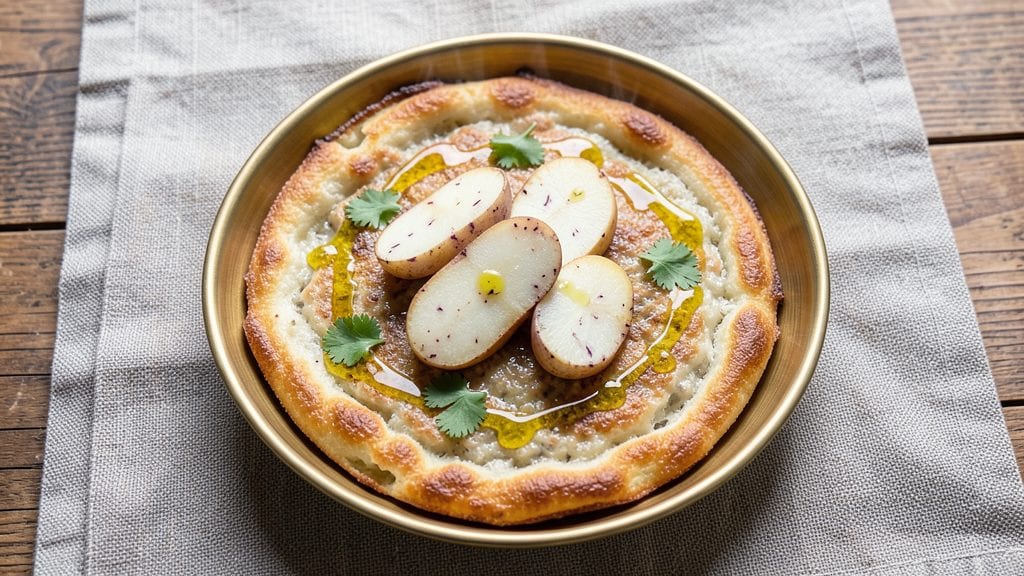
Mastering a dosa potato recipe that delivers crispy layers and fluffy hearts requires precision in both batter fermentation and cooking technique. The secret lies in balancing the tangy, fermented rice-lentil batter with a spiced potato filling that stays tender while the edges achieve that signature crunch.
I've refined this method over years of testing, ensuring every bite delivers the perfect contrast between crispy exterior and soft interior.
What sets this recipe apart is the authentic dosa press technique combined with modern shortcuts for quick fermentation. You'll learn how to achieve the ideal batter consistency—neither too thick nor too thin—and how to control heat for even cooking.
The potato filling is where flavor comes alive, with aromatic spices that complement the tangy batter without overpowering it. This isn't just a side dish; it's a complete meal experience.
The result is dosas with golden, crispy edges that shatter slightly when you bite in, revealing a soft, fluffy center that's almost custard-like in texture. Each layer of potato filling remains perfectly cooked—tender but not mushy—while the batter absorbs just enough moisture to stay light.
This texture contrast is what makes dosas so irresistible, and I'll show you exactly how to achieve it every time.
Serve these dosas with traditional accompaniments like coconut chutney or sambar for the full South Indian experience. The crispy edges soak up the chutney beautifully, while the fluffy centers hold up to the rich flavors of the sambar.
Whether you're making them for a special occasion or a weeknight dinner, this recipe delivers restaurant-quality results with minimal effort.
Ingredients for dosa potato
Authentic dosa potato ingredients that balance crispy edges and fluffy centers perfectly.
| Ingredient | Amount | Notes |
|---|---|---|
| White Rice 🍚 | 1 cup | Uncooked, short-grain preferred |
| Toor Dal (Split Yellow Lentils) 🌱 | ½ cup | Dry, rinsed thoroughly |
| Yogurt (Plain) 🥛 | ½ cup | Unflavored, full-fat preferred |
| Water 💧 | 1 ½ cups | Room temperature |
| Salt 🧂 | 1 tsp | Fine sea salt preferred |
| Russet Potatoes 🥔 | 2 medium | Peeled, boiled, mashed |
| Mustard Seeds 🌱 | ½ tsp | Whole, for tempering |
| Curd Leaves (Kothmir) 🌿 | 1 tbsp | Dried, crushed for garnish |
| Green Chilies 🌶️ | 2 whole | Slit lengthwise, for filling |
| Ginger 🧄 | 1 inch | Fresh, grated for filling |
| Coriander Seeds 🌿 | ½ tsp | Whole, for tempering |
| Asafoetida (Hing) 🌶️ | ⅛ tsp | Pinch, for aroma |
| Turmeric Powder 🌿 | ½ tsp | Freshly ground preferred |
| Cumin Seeds 🌱 | ½ tsp | Toasted for filling |
| Coconut Oil 🫒 | 2 tbsp | For cooking and pressing |
The rice and lentils form the batter's backbone. Short-grain rice from Indian grocery stores works best for that signature stickiness, but jasmine rice in a pinch will do. Toor dal should be bright yellow and free of stones—check the bulk bins at Whole Foods or Patel Brothers for the freshest. Yogurt matters here: Full-fat, unflavored creates the right tang. If using Greek yogurt, thin it with water to match consistency. The potatoes need to be starchy russets—Yukon Golds work too but lack the same texture. Boil them until fork-tender, then mash until completely smooth with no lumps.
No curd leaves? Fresh cilantro works in a pinch, though it lacks that signature crunch. Mustard seeds and coriander seeds can be swapped one-for-one>—just toast them together for depth. The green chilies should be bright green and firm; Trader Joe's carries excellent ones year-round. For the ginger, fresh is non-negotiable—dried loses all its punch. Asafoetida is the secret weapon: Use a tiny pinch—it's potent! No coconut oil? Ghee or vegetable oil works, but coconut adds that authentic South Indian flavor. The batter should be thin enough to pour but thick enough to coat the back of a spoon—adjust with water if needed.
Batter ferments best at 75-80°F—use a warm spot in your kitchen. Cover with a damp towel and let sit for 6-8 hours, stirring once. The potatoes can be prepped ahead and refrigerated for 2 days—just reheat before assembling. Coconut oil keeps for 6 months in a cool pantry, while spices last 3-6 months once opened. Store leftover batter in an airtight container for up to 3 days—it ferments faster in the fridge, so use it within 24 hours for best results.
Why You'll Love This Recipe
- The secret’s in the potato prep: thinly sliced, pan-fried until golden, then layered with spiced onions and cilantro. That first bite—crunchy edges giving way to soft, warm spuds—is exactly what I crave after a long day.
- Ferment-Free Flexibility: I’ll admit—fermenting dosa batter stresses me out. This version skips it entirely, using just soaked rice and dal ground with yogurt for that signature tang. The batter’s ready in hours, not days, and still delivers that crispy, flaky magic.
- Crispy-Creamy Magic: The secret’s in the potato prep: thinly sliced, pan-fried until golden, then layered with spiced onions and cilantro. That first bite—crunchy edges giving way to soft, warm spuds—is exactly what I crave after a long day.
- Leftover Reinvention: Make a big batch of batter on Sunday, then pull it out for breakfast, lunch, or even dinner. Leftover dosas? Toss them in a wrap with curry or chop into fries—no waste, just creativity.
Step-by-step instructions for dosa potato recipe
Here's the method to achieve crispy dosa layers with fluffy potato hearts using these ingredients.
Prepare the Fermented Batter
In a large mixing bowl, combine the 1 cup white rice and 0.5 cup toor dal (split yellow lentils). Add 1.5 cups water and let it soak for at least 4 hours or overnight. This soaking ensures the grains soften properly for a smooth batter.
Drain any excess water and transfer the soaked mixture to a blender. Add the 0.5 cup yogurt (plain), 1 tsp salt, and blend until you achieve a smooth, lump-free batter. The consistency should be slightly thicker than pancake batter—if it's too thin, let it rest for 10 minutes to thicken naturally. This batter forms the foundation for both the crispy exterior and fluffy interior of your dosa.
Cook the Potato Filling
Peel the 2 medium russet potatoes and boil them until fork-tender. Drain and mash them thoroughly, then set aside to cool slightly. In a small pan, heat 1 tbsp coconut oil over medium heat. Add the 0.5 tsp toasted cumin seeds, 1 inch grated ginger, and 2 whole slit green chilies. Sauté for 1 minute until fragrant.
Add the mashed potatoes to the pan and cook for 5 minutes, stirring constantly. The potatoes should absorb the spices and develop a slightly golden hue. Remove from heat and let the filling cool completely before using. This step ensures your potato filling is flavorful and properly seasoned for the perfect dosa filling.
Prepare the Tempering
In a small pan, heat 1 tbsp coconut oil over medium heat. Add the 0.5 tsp mustard seeds, 0.5 tsp coriander seeds, and 0.125 tsp asafoetida (hing). Let them splutter for 30 seconds until the mustard seeds turn golden brown and release their aroma. This tempering adds depth of flavor to your dosa.
Immediately pour this tempering over the prepared batter and mix well. The oil should spread evenly throughout the batter, enhancing its flavor. Cover the batter and let it ferment for 1 to 2 hours at room temperature. The batter should rise slightly and develop a tangy aroma—this fermentation step is crucial for achieving the signature crispy texture of dosa.
Assemble and Cook the Dosa
Heat a non-stick skillet over medium-high heat. Pour a ladleful of the batter into the center of the skillet and spread it into a thin, even circle by rotating the pan. The batter should sizzle and start to set immediately. Add a spoonful of the potato filling to the center of the dosa.
When the edges of the dosa turn golden brown and crispy (about 1 minute), carefully fold it in half. Press down gently with a spatula to ensure the potato filling is sealed inside. Cook for another 30 seconds until the bottom is crispy and golden brown. Flip the dosa and cook for another 30 seconds until the other side is equally crispy and the potato filling is heated through.
Garnish and Serve
Transfer the dosa to a serving plate and garnish with the 1 tbsp crushed curd leaves (kothmir). The crispy exterior should contrast beautifully with the fluffy potato filling inside. Serve immediately with coconut chutney or sambar for a complete meal.
Each dosa should have a perfectly crispy exterior with a fluffy, flavorful potato heart. The key to achieving this balance lies in the fermentation of the batter and the proper cooking technique. Enjoy your homemade dosa potato recipe with its delightful texture contrast and rich flavors.
Pro Tips For Making Dosa Potato
- SOAK THE DAL LONGER: I learned this the hard way—skipping the extra 10 minutes for toor dal makes the batter gummy. Soak it for at least 4 hours (or overnight if you remember), then rinse until the water runs clear. The longer it soaks, the smoother the batter and the crispier the dosa.
- GRIND WITH LESS WATER: Your goal isn’t soup—start grinding the soaked dal and rice with just enough water to make a thick paste, then add the rest gradually. Too much water now means a thin, soggy batter that won’t hold its shape. Pause to scrape the sides every 30 seconds.
- REST THE BATTER OVERNIGHT: This isn’t optional. Let the batter sit covered in the fridge for 8–12 hours—the fermentation breaks down starches, making the dosa fluffier and less greasy. I used to rush it, and the dosas tasted flat. Trust the process (yes, even if you’re impatient like me).
- PRESS HOT, NOT COLD: Heat the dosa pan until it’s smoking hot, then spread the batter in a thin, even layer—no thicker than 2mm. The first 10 seconds are critical: keep the flame high to get a crispy base before flipping. A cold pan = soggy dosas every time.
Serving suggestions for dosa potato
Traditional Accompaniments
Serve your dosa potato with homemade coconut chutney—its cooling sweetness balances the crispy edges perfectly. I blend 1 cup fresh coconut, 2 tbsp roasted cumin powder, 1 green chili, and ½ tsp salt with water until smooth.
The chutney should be thick enough to cling to the dosa without dripping. 🥥
For a heartier meal, pair with sambar—a tangy South Indian lentil stew. Simmer 1 cup toor dal, 1 cup tamarind pulp, 1 tsp turmeric, and a mix of vegetables in 4 cups water for 30 minutes.
The sour notes cut through the richness of the potato filling beautifully.
Modern Shortcuts
Short on time? Use store-bought coconut chutney from brands like Gopala or Bommasandra—just check for no added sugar. For sambar, MTR Sambar Mix (just add water and veggies) saves 20 minutes of prep. I keep a jar of each in my pantry for quick meals.
Protein Pairings
Add poached eggs or scrambled tofu for extra protein. The runny yolk of a soft-boiled egg complements the crispy dosa edges like a restaurant-style breakfast. For tofu, pan-fry ½ block firm tofu with 1 tsp turmeric and 1 tsp garam masala until golden.
Presentation Tips
Arrange dosas on a banana leaf or wooden platter for an authentic touch. Garnish with extra crushed curd leaves and a drizzle of mango pickle for color contrast. The golden edges should peek out slightly—this makes them look even more appetizing. 🍽️
Dietary Swaps
For gluten-free needs, ensure your rice is certified gluten-free (check brands like Lundberg). Vegan? Skip yogurt in the batter and use coconut yogurt instead. The potato filling stays the same, but the batter’s tang changes slightly—adjust salt to taste.
Nutrition facts
Frequently asked questions
Why does my dosa potato batter turn out too thick or too thin?
The ideal batter should be like thin pancake batter—pourable but coats the back of a spoon. If too thick, add 1-2 tbsp water at a time. If too thin, let it rest 10-15 minutes to thicken naturally. Over-blending creates gluey batter, so pulse the blender just until smooth.
Can I make dosa potato batter ahead of time?
Yes! Prepare the batter up to 2 days ahead and store in an airtight container in the fridge. The cold slows fermentation—let it sit at room temp for 1 hour before using. For best texture, use within 24 hours of making. The potato filling can also be prepped 2 days ahead and reheated gently before assembling.
How do I fix a dosa that's not crispy enough?
Crispiness comes from medium-high heat and proper oil. Use 2 tbsp coconut oil per dosa (don't skimp!) and ensure your pan is hot before pouring batter. If edges aren't crispy, your heat may be too low—adjust to medium-high and let the pan sizzle before spreading. A non-stick skillet works best for even browning.
What's the best way to store leftover dosa potato?
Store in a single layer on a plate, covered with a clean towel, at room temp for up to 4 hours to prevent sogginess. For longer storage, wrap individually in foil and refrigerate for 2 days. Reheat in a dry pan over medium heat for 1-2 minutes per side—no microwave! The texture won't be as crispy but will still taste delicious.
Can I make dosa potato without a dosa press?
Use a non-stick skillet instead. Pour batter into the center, then quickly spread into a thin circle by rotating the pan. For extra crispiness, press down gently with a spatula after spreading. The key is high heat and even oil distribution—this method works just as well for beginners!