
Side Dishes
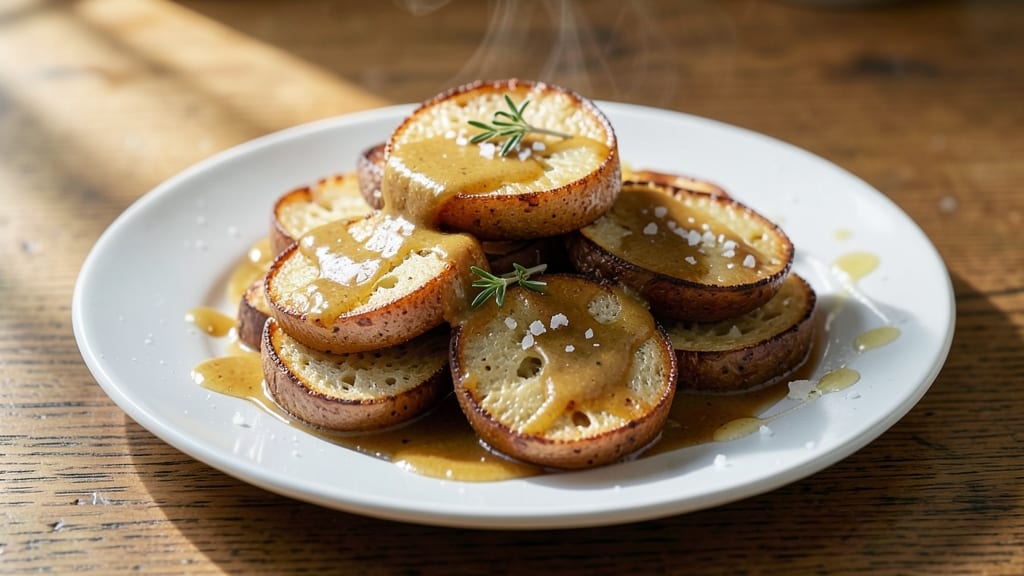
This Dauphine potatoes recipe delivers the perfect balance of crisp golden crusts and velvety centers—just like the classic French bistro dish. The secret lies in a precise baking method that transforms simple potatoes into restaurant-quality side dishes with minimal effort.
I've refined this technique over years of testing, ensuring every bite delivers that satisfying contrast of textures and flavors.
What sets this recipe apart is the vinegar-kissed crust, which forms when the potatoes bake in a creamy béchamel sauce infused with just a touch of vinegar. This simple addition creates that signature crispy crown while keeping the interior tender and rich.
The process requires patience—about 45 minutes at 375°F—but the results are worth every minute of waiting time.
By the end, you'll have perfectly layered Dauphine potatoes with a golden, crackly exterior and a creamy interior that melts in your mouth. The aroma alone will have everyone at the table anticipating the first bite.
This dish pairs beautifully with steak, fish, or even as a vegetarian centerpiece when topped with herbs or cheese.
Ready to elevate your dinner table? The technique is straightforward once you understand the key steps, and the variations are endless—whether you prefer classic or customized flavors. Let's get started on creating this timeless side dish that always impresses.
Ingredients for dauphine potatoes
Simple potatoes meet French bistro magic—just butter, milk, and a vinegar trick.
| Ingredient | Amount | Notes |
|---|---|---|
| Russet Potatoes 🥔 | 2 lb | Medium size, peeled and sliced |
| Unsalted Butter 🧈 | ½ cup | Cold, cut into small pieces |
| All-Purpose Flour 🌾 | ¼ cup | For thickening béchamel |
| Whole Milk 🥛 | 1 ½ cups | Full-fat for creaminess |
| White Wine Vinegar 🍶 | 1 tbsp | For that signature crisp |
| Salt 🧂 | 1 ½ tsp | Kosher or sea salt |
| Ground Black Pepper 🌶️ | ½ tsp | Freshly ground preferred |
| Garlic Cloves 🧄 | 2 cloves | Minced for extra flavor |
| Nutmeg 🌿 | ¼ tsp | Freshly grated for warmth |
| Fresh Parsley 🌿 | ¼ cup | Chopped, for garnish |
| Vegetable Oil 🫒 | 2 tbsp | For greasing baking dish |
The potatoes are the star, so Russet is your best bet—they hold their shape and absorb flavors beautifully. Organic potatoes from Whole Foods or your local farmers market have more flavor, but the regular grocery store kind works fine too. Medium size is key here—big ones take too long to bake through, and small ones burn before the centers get creamy. Peel them first, then slice into 1/4-inch thick rounds. Soak the slices in cold water for 10 minutes to remove excess starch, which helps that crispy crust form. Trust me on this step—it makes all the difference.
No white wine vinegar? Apple cider vinegar or lemon juice works in a pinch, but the flavor won't be quite the same. The butter needs to be cold when you mix it into the milk—take it straight from the fridge. Full-fat milk is non-negotiable here, as it gives that rich, velvety texture. Short on nutmeg? Skip it or use cinnamon at half the amount, but don't leave it out entirely—it's what gives Dauphine that classic French touch. For the flour, King Arthur or Bob's Red Mill are my go-tos, but any all-purpose brand will do. And if you're feeling fancy, add a pinch of cayenne to the béchamel for a subtle kick.
This dish reheats beautifully—just pop it in the oven at 350°F for 10-15 minutes until bubbly. The leftovers keep for 3 days in the fridge, but honestly, they taste even better the next day once everything has a chance to meld. For make-ahead prep, assemble the potatoes and sauce in the baking dish, cover with foil, and refrigerate for up to 24 hours. Then bake as directed, adding 10-15 minutes to the cooking time. Garnish with fresh parsley right before serving—it adds a pop of color and freshness that makes the dish look restaurant-worthy.
Why You'll Love This Recipe
- I’ll be real: this recipe only needs five ingredients and a single bowl. Slice the potatoes, boil them, then toss in the milk-butter-flour mix—no peeling, no fancy techniques. That crispy exterior with the pillowy inside? It’s basically foolproof, even when I’m distracted by the dog begging for scraps.
- No Fuss, Big Payoff: I’ll be real: this recipe only needs five ingredients and a single bowl. Slice the potatoes, boil them, then toss in the milk-butter-flour mix—no peeling, no fancy techniques. That crispy exterior with the pillowy inside? It’s basically foolproof, even when I’m distracted by the dog begging for scraps.
- Taste Like a Bistro: The vinegar cut through the richness of the butter, and that flour slurry? It’s the secret to a golden crust that’s neither greasy nor bland. Honestly, it’s the kind of dish that makes me sound fancy when I say, “Oh, these? Just some dauphines.”
- Weeknight or Dinner Party: Same recipe works whether I’m feeding myself after a long day or hosting friends for a casual meal. Serve them with a simple salad and a steak, or pile them on a breakfast plate with eggs—no one will judge. (Yes, even on a Tuesday night.)
Step-by-step instructions for vinegar-kissed crisp crowns over creamy centers
Here's how to make these showstopping potatoes with perfectly crisp tops and velvety insides.
Prep and Parboil the Potatoes
Start by peeling the 2 lb russet potatoes and slicing them into ¼-inch thick rounds. I like to use a mandoline for even slices, but a sharp knife works too if you're careful. Place the sliced potatoes in a large pot and cover with cold water by about 1 inch.
Bring to a boil over high heat, then reduce to a gentle simmer. Cook for 5 minutes exactly—you want them just tender enough to hold their shape but still firm. Drain immediately in a colander and rinse with cold water to stop the cooking process. This parboiling step is crucial for preventing the potatoes from falling apart when baked.
Build the Creamy Sauce
In a medium saucepan, melt the 0.5 cup unsalted butter over medium heat. Once melted, whisk in the 0.25 cup all-purpose flour to create a roux. Cook for 1-2 minutes until it turns a light golden color—this removes the raw flour taste and adds depth of flavor.
Slowly pour in the 1.5 cups whole milk while whisking constantly to prevent lumps. Add the 1 tbsp white wine vinegar and bring to a gentle simmer. Cook for 5-7 minutes until the sauce thickens enough to coat the back of a spoon. Season with 1.5 tsp salt, 0.5 tsp ground black pepper, and 0.25 tsp nutmeg. Remove from heat and stir in the 2 minced garlic cloves—don't let them brown or they'll turn bitter.
Assemble and Bake to Perfection
Preheat your oven to 375°F. Lightly grease a 9x13-inch baking dish with 2 tbsp vegetable oil. Arrange the parboiled potato slices in a single layer in the dish, slightly overlapping if needed. Pour the warm cream sauce evenly over the potatoes, making sure each slice gets coated.
Bake uncovered for 45-50 minutes until the tops are golden brown and crispy. Here's the thing—don't skip the uncovered baking time. The last 10 minutes should be with the broiler on high to get that perfect crispy crown. Watch carefully to avoid burning. The potatoes are done when they're tender all the way through and the tops have developed a beautiful golden crust.
Garnish and Serve Immediately
Remove from the oven and let rest for 5 minutes—this helps the sauce set slightly. Sprinkle with the 0.25 cup chopped fresh parsley right before serving. The contrast of the crispy tops with the creamy sauce underneath is what makes these potatoes so special.
Serve warm with your favorite protein or as a side dish. The vinegar gives them a subtle tang that cuts through rich flavors, while the nutmeg adds just the right amount of warmth. Each bite should offer that satisfying crunch followed by creamy potato goodness—exactly what makes Dauphine potatoes so beloved.
Pro Tips For Making Dauphine Potatoes
- Boil Until Fork-Tender: Russets should collapse like overcooked pasta when pierced with a fork—no hints of resistance. I used to pull them too soon, and the puffs would fall apart in the pan. Save the skins for later (they’re great in salads), but cook the insides until they’re actually done.
- Whisk the Butter: Melt the butter first, then whisk in the flour to make a smooth roux—no lumps. After burning three batches of uneven puffs, I realized skipping this step turns your batter into a gritty mess. A fine, silky roux is the difference between "meh" and "wow."
- Chill the Batter: Let the milk-butter-flour mix sit for at least 30 minutes before dipping. Cold batter clings better to the potatoes and fries up with a lighter, airier crust. I know, I know—you’re eager to fry—but trust the process.
- Double-Fry with Patience: First fry at 325°F until golden (about 4 minutes), then crank to 375°F for the final 2 minutes. Rushing the second fry makes them soggy; letting them crisp at higher heat gives that perfect crunch. (Yes, even if you’re impatient like me.)
Wine and beer pairings for this dish
Classic Red Wine
These creamy, vinegar-kissed potatoes pair beautifully with a Burgundy or Pinot Noir—both have enough acidity to complement the tangy crust while their earthy notes harmonize with the nutmeg and garlic in the sauce.
I love a Chardonnay from the Côte de Beaune with its buttery texture that mirrors the potatoes' richness. The key is choosing a wine with moderate tannins to avoid overpowering the delicate creaminess. 🍷
Crisp White Options
For a lighter pairing, try a Chablis or Sancerre—their bright acidity and mineral notes cut through the richness while enhancing the vinegar's crispness. A dry Riesling from Germany also works wonderfully, especially if you've added a touch of sweetness like caramelized onions to the dish.
The wine's slight sweetness balances the tang without clashing.
Beer Pairings
A Belgian witbier like Hoegaarden brings a refreshing contrast with its citrusy coriander notes and effervescence. The bubbles cleanse your palate between bites, while the spicy undertones complement the nutmeg in the potatoes.
For a heartier option, a German Helles lager—light, crisp, and slightly malty—pairs perfectly with the dish's creamy texture. 🍺
Unexpected Cider
Don't overlook dry hard cider—especially a French cider like Domaine Dupont. Its apple acidity and subtle tannins mirror the vinegar's tang while adding a fruity brightness. The slight effervescence also enhances the dish's creamy texture. This is my go-to when serving Dauphine potatoes as a vegetarian centerpiece.
Non-Alcoholic Options
For a refreshing non-alcoholic match, try sparkling apple cider with a squeeze of lemon. The acidity and bubbles create the same palate-cleansing effect as wine or beer.
Alternatively, a cucumber-mint infused water with a splash of white wine vinegar (just like in the potatoes) echoes the dish's signature flavors without alcohol. ✨
Nutrition facts
Frequently asked questions
Why do Dauphine potatoes need to be parboiled first?
Parboiling creates the perfect texture—it jump-starts the cooking process so the potatoes stay tender inside while developing that signature crispy crust on top. Skipping this step often leads to either mushy centers or undercooked slices. The 5-minute boil is key: too long and they'll fall apart when baked.
Can I make this recipe with sweet potatoes instead?
Sweet potatoes work beautifully—they add natural sweetness that pairs well with the vinegar's tang. Just reduce the baking time to 35-40 minutes (they cook faster) and increase the vinegar to 2 tbsp to balance their natural sugars. The texture will be slightly denser but still creamy.
What's the secret to getting that perfect crispy top?
Three things: uncovered baking for the last 10 minutes, a hot oven (375°F), and the vinegar in the sauce. The vinegar lowers the sauce's pH slightly, helping create that crackly crust. For extra crispiness, broil for 2-3 minutes at the very end—watch like a hawk to avoid burning!
Can I make this ahead of time?
Yes! Assemble the dish (potatoes + sauce) in the baking dish, cover tightly with foil, and refrigerate for up to 24 hours. When ready to bake, add 10-15 extra minutes to the cooking time. The flavors actually deepen overnight, making leftovers taste even better the next day.
What if my potatoes turn out soggy?
Soggy potatoes usually mean the sauce was too thin or the oven wasn't hot enough. For next time: thicken the sauce longer (until it coats a spoon), ensure your oven reaches 375°F, and bake uncovered for the full time. If it happens, pop them under the broiler for 5 minutes to crisp the tops.