
Side Dishes
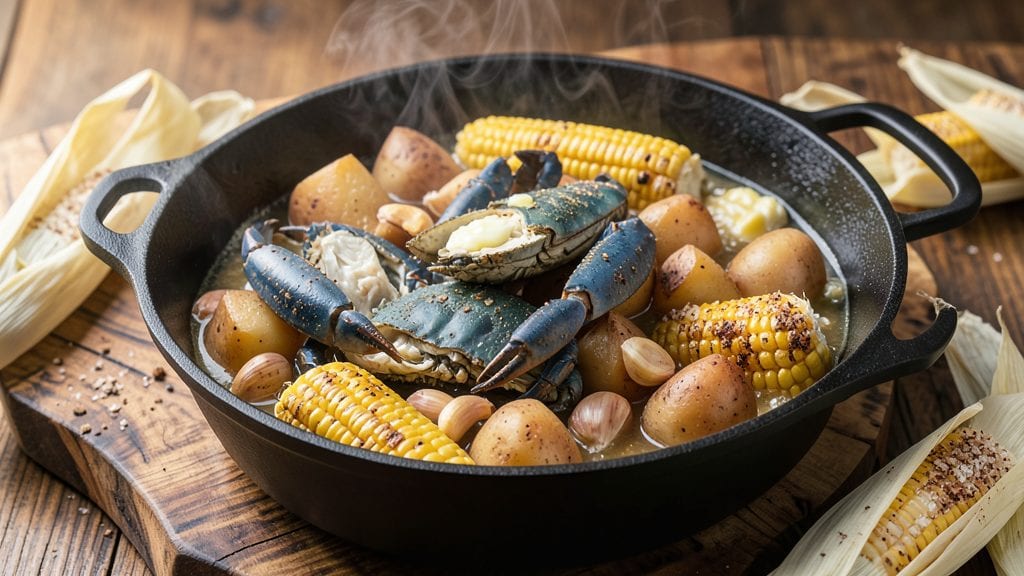
Mastering a crab boil recipe with potatoes and corn transforms a simple pot into a festive seafood feast that brings people together. Standing on a step stool in my grandmother's kitchen in Sicily, I learned how bold spices and fresh ingredients elevate humble ingredients into something extraordinary.
This recipe captures that same joy—where the aroma of garlic, Old Bay, and simmering crab fills the air, promising a meal that's as satisfying as it is delicious.
The beauty of this dish lies in its simplicity: just a few key ingredients—fresh crab, potatoes, and corn—cooked together with aromatic spices until everything is tender and infused with flavor. Whether you're using a large stockpot on the stove or firing up an outdoor grill, the method remains the same.
The secret? A well-balanced seasoning blend that doesn't overpower the natural sweetness of the seafood and vegetables, ensuring every bite is perfectly harmonized.
By the time you're done, you'll have a pot brimming with buttery crab, fluffy potatoes, and sweet corn, all steamed to perfection in a rich, spiced broth. The crab turns tender and succulent, the potatoes absorb the flavorful liquid, and the corn stays sweet with just the right bite.
This is the kind of meal that feels like a celebration, even on a casual weeknight.
Serve with lemon wedges, hot sauce, and crusty bread to soak up every last drop of that flavorful broth. Here's how to create this crowd-pleasing dish from start to finish—no experience required, just a willingness to embrace the joy of cooking.
Ingredients for crab boil recipe with potatoes and corn
Six essential ingredients create a symphony of seafood and spice in one aromatic pot.
| Ingredient | Amount | Notes |
|---|---|---|
| Live Blue Crabs 🦀 | 3 lb | 12-15 count per pound, legs and claws intact |
| Russet Potatoes 🥔 | 3 lb | Cut into 2-inch chunks, skin on |
| Fresh Corn on the Cob 🌽 | 6 whole | Husk removed, cut into 3-inch pieces |
| Butter 🧈 | ½ cup | Unsalted, cut into 8 pieces |
| Old Bay Seasoning 🌶️ | ¼ cup | Classic blend for authentic flavor |
| Garlic Cloves 🧄 | 8 cloves | Smashed, skins left on |
| Lemon Slices 🍋 | 1 lemon | 4 slices, 1/4-inch thick |
| Salted Water 💧 | 10 cups | 1/2 cup sea salt dissolved |
| Hot Sauce 🌶️ | ¼ cup | Tabasco or similar, for serving |
| Crusty Bread 🍞 | 1 lb | For broth soaking, sliced |
| Fresh Parsley 🌿 | ¼ cup | Chopped, for garnish |
| Bay Leaves 🍃 | 2 whole | For aromatic depth |
| Black Peppercorns 🌶️ | 1 tbsp | Crushed, for heat balance |
The crabs are the centerpiece—live blue crabs with intact shells ensure maximum flavor and tenderness. Whole Foods or local seafood markets typically carry the best quality; look for crabs that are active and smell briny, not fishy. Potatoes should be russet variety for their fluffy texture when cooked in the broth. For corn, fresh, in-season ears make all the difference—if using frozen, thaw completely before cutting. The Old Bay seasoning is non-negotiable; McCormick's classic blend delivers that perfect balance of celery, paprika, and cayenne that defines coastal cuisine.
No live crabs available? Pre-cooked crabmeat works in a pinch, though the texture and experience differ significantly. Substituting sweet potatoes for russets adds natural sweetness but alters the starch profile. Frozen corn kernels can replace fresh corn, though they lack the same vibrant sweetness. For the butter, European-style unsalted like Plugrá melts more cleanly than American varieties. The salted water base can be enhanced with 1/4 cup seafood stock if you have it, but plain salted water still delivers exceptional results. Fresh parsley is ideal for garnish, but dried parsley at half the amount suffices if needed.
This dish shines when prepared fresh, but components can be prepped ahead. Potatoes and corn can be blanched 1 hour ahead and stored in ice water until ready to use. The broth retains its richness for 2 days refrigerated or 3 months frozen—simply reheat and add fresh crabs when serving. For serving, keep the hot sauce and lemon wedges at room temperature to maintain their vibrancy. The crusty bread should be toasted just before serving to ensure maximum crunch and absorption of the flavorful broth.
Why You'll Love This Recipe
- One-Pot Magic: I swear by this—just dump crabs, potatoes, and corn into a pot with butter and Old Bay, then let the steam do the work. No chopping, no fuss, and honestly? The mess is worth it.
- Old Bay Bliss: That zesty, slightly spicy kick from Old Bay? It’s the secret weapon. The crabs soak up the flavor while the potatoes get that buttery, salty crust—like a hug in a bowl.
- Tailgate or Tuesday: Between us, this feeds a crowd without breaking the bank. Grill it outdoors for a summer bash or simmer it on the stove for a lazy night in. Same great taste, zero guilt.
- Leftovers? Better Than New: The next day, those crabs taste even richer, and the potatoes? Perfect for crab cakes or a quick hash. I’ll be real—half the time, I make extra just for this.
Step-by-step instructions for crab boil with potatoes and corn
This method delivers a perfectly balanced boil with tender crabs, crispy potatoes, and sweet corn infused with Old Bay and garlic.
Prepare the Boiling Broth
In a large stockpot or Dutch oven, combine the 10 cups salted water with the 2 whole bay leaves and 1 tbsp crushed black peppercorns. Bring to a rolling boil over high heat until the water reaches a vigorous simmer. While waiting, cut the 3 lb russet potatoes into 2-inch chunks (skin on) and cut the 6 whole fresh corn on the cob into 3-inch pieces. The broth should taste intensely salty—this ensures the crabs cook properly and absorb flavor.
Here's the thing—don't rush this step. A proper boil requires 10-12 minutes of active simmering to develop the aromatic base before adding the main ingredients. The water should be deeply flavorful with peppery notes from the peppercorns and subtle herbal undertones from the bay leaves. This foundational broth will carry the entire dish.
Season and Add Vegetables
Once the broth is fully simmering, reduce heat to medium-high and add the 8 smashed garlic cloves (skins on) and 0.5 cup butter cut into pieces. Let the butter melt completely, about 2 minutes, creating a fragrant, golden layer on the surface. This butter will infuse the broth with richness and help create a velvety finish.
Add the potato chunks and corn pieces, stirring gently to distribute them evenly. Sprinkle the 0.25 cup Old Bay Seasoning evenly over the vegetables. The Old Bay should dissolve gradually into the broth—you'll see it create a light, papery foam on the surface. Let everything cook together for 8-10 minutes until the potatoes begin to soften slightly but remain firm to the bite. The corn should develop a bright, golden hue from the butter and spices.
Prepare and Add the Crabs
While the vegetables cook, prepare the 3 lb live blue crabs. Rinse them briefly under cold water to remove any debris, then pat dry with paper towels. Using kitchen shears, make a small cut on the underside of each crab's shell (just enough to allow steam to escape during cooking). This prevents them from cracking open prematurely. Arrange the crabs on top of the vegetables in the pot.
Add the 4 lemon slices and bring the heat back to a rolling boil. The moment the water returns to a full boil, cover the pot with a tight-fitting lid and reduce heat to medium. Let the crabs steam for 12-15 minutes, checking occasionally to ensure the water remains at a gentle boil. You'll know they're done when their shells turn a deep orange-red and their claws begin to open slightly. The potatoes should be fork-tender and the corn bright and tender with just a hint of resistance.
Finish and Serve
Remove the pot from heat and let it sit covered for 5 minutes to allow the crabs to finish cooking in their own steam. This resting period ensures they remain juicy and tender rather than drying out. While waiting, prepare the 1 lb crusty bread by lightly toasting slices and setting them aside for soaking.
Carefully transfer the crabs, potatoes, and corn to a large serving platter. Discard the bay leaves and lemon slices. Ladle the flavorful broth over everything, making sure each component is well-coated. Garnish with 0.25 cup chopped fresh parsley and serve immediately with the toasted bread for dipping. The crabs should be tender with sweet, briny meat, the potatoes creamy with crisp edges, and the corn bursting with natural sweetness. For extra heat, serve the 0.25 cup hot sauce on the side.
Pro Tips For Making Crab Boil Recipe With Potatoes And Corn
- STEAM THE CRAB FIRST: Toss live crabs in a colander with ice water for 10 minutes before boiling—this calms them down and prevents them from releasing sand or ammonia into the pot. I learned this the hard way when my first boil tasted like a Maryland swamp instead of a seafood feast.
- CUT POTATOES IN EVEN CHUNKS: Aim for 1.5-inch cubes so they cook through without turning to mush—smaller pieces dissolve into glue, and larger ones stay undercooked. Russets are forgiving, but consistency matters more than you’d think.
- DON’T OVERCROWD THE POT: Use a stockpot that’s at least 2 gallons for 10 crabs, 3 pounds of potatoes, and 6 ears of corn—crowding steams the veggies instead of boiling them. My first boil had soggy corn because I packed it like a sardine can.
- BUTTER THE CORN LAST: Add butter and Old Bay to the boiling water only in the final 5 minutes—this keeps the corn tender and lets the seasoning cling instead of turning the water greasy. Slather extra melted butter on the corn after draining for that restaurant-quality shine.
Common mistakes when making perfect results
Over-Salting the Broth
I've seen this happen more times than I can count—adding too much salt to the water and ending up with a broth that's more like a brine. The key is to taste the water before adding the crabs; it should be intensely salty but not overwhelming.
A good rule of thumb is to use ½ cup sea salt per 10 cups water. If you're unsure, start with slightly less and adjust as you go. The crabs will absorb the flavor, so you want that broth to be bold but balanced. 💧
Skipping the Crab Prep
Many people overlook the small but crucial step of cutting a tiny slit in the underside of each crab shell. Without this, the crabs can crack open prematurely, releasing their meat into the broth and leaving you with a mushy texture.
Use kitchen shears to make a ¼-inch cut—just enough to let steam escape. This ensures the crabs stay intact until they're fully cooked and the meat remains tender. Trust me, this makes all the difference in the final result.
Underestimating Cook Time
Rushing the cooking process is a common mistake, especially when you're eager to serve. The crabs need that full 12-15 minutes of steaming at a gentle boil to cook through evenly.
If you lift the lid too often or let the water boil too vigorously, the crabs will cook unevenly, and the potatoes might turn mushy. Keep the lid on and maintain a steady, rolling boil—this ensures everything cooks perfectly in sync. Patience here is key!
Using Frozen or Old Ingredients
Freshness is everything in a crab boil. Frozen corn or potatoes won't have the same texture or flavor as fresh, and old crabs (especially if they've been thawed) can taste off.
Always use live or freshly shucked crabs, fresh corn, and starchy potatoes that are firm to the touch. If you're using pre-cooked crabmeat, make sure it's high-quality and fresh—none of that canned stuff that's been sitting on the shelf for months. Your taste buds will thank you!
Ignoring the Resting Period
After the crabs are done, it's tempting to dive right in and serve. But letting the pot rest covered for 5 minutes allows the crabs to finish cooking in their own steam, keeping them juicy and tender. Skipping this step can leave you with dry, rubbery crabs.
It's a small detail, but it makes a world of difference in the final texture. This is one of those little tricks that separates a good crab boil from a great one.
Overcrowding the Pot
If your pot is too small, the crabs and vegetables will steam instead of boil, leading to uneven cooking. You need enough water to fully submerge everything and maintain a rolling boil.
A general rule is to use a pot that's at least 8 quarts for 3 lbs of crabs. If you're using a smaller pot, cook the crabs in batches or reduce the quantity. Overcrowding is a surefire way to end up with soggy potatoes and undercooked crabs.
Give everything room to breathe!
Nutrition facts
Frequently asked questions
Can I make this crab boil recipe with frozen crab instead of live crabs?
Fresh or live crabs are ideal for the best texture and flavor, but you can use pre-cooked crabmeat if needed. For a similar experience, add it to the pot during the last 5 minutes of cooking to warm through. The meat won't be as tender as live crabs, but it still works well in the spiced broth. Just avoid canned crab—it lacks the fresh, briny quality you want.
What's the best way to reheat leftover crab boil?
Reheat gently in a covered pot with a splash of water or broth over low heat to avoid drying out the crab. For best results, reheat only the components you plan to serve—crabs reheat best fresh from the boil. If reheating the entire pot, bring to a gentle simmer for 5-7 minutes, then let it rest covered for 2 minutes before serving. The broth can be reheated separately and used for dipping bread.
Can I substitute other seafood like shrimp or mussels?
Shrimp cooks in just 3-4 minutes in the boiling broth, so add them during the last few minutes of cooking. Mussels take about 5-7 minutes—discard any that don't open fully. For best results, reduce the Old Bay seasoning slightly (2 tbsp) since these seafoods have milder flavors. The potatoes and corn will still be perfectly cooked alongside them.
How do I know when the crabs are fully cooked?
Look for three key signs: their shells should turn a deep orange-red, their claws will begin to open slightly, and the meat will pull away cleanly from the shell when tested. The cooking time of 12-15 minutes is a guideline—always check the largest crabs first, as they take the longest. If the broth smells strongly of ammonia, they're overcooked. For extra assurance, use a meat thermometer—crab meat should reach 145°F internally.
What are some great sides to serve with crab boil?
This hearty dish pairs beautifully with crusty bread for soaking up broth, a simple green salad with lemon vinaigrette, or steamed asparagus with garlic butter. For a full spread, add cornbread, collard greens, or pickled vegetables to balance the richness. Don't forget lemon wedges and hot sauce on the table—everyone loves customizing their plate!