
Side Dishes
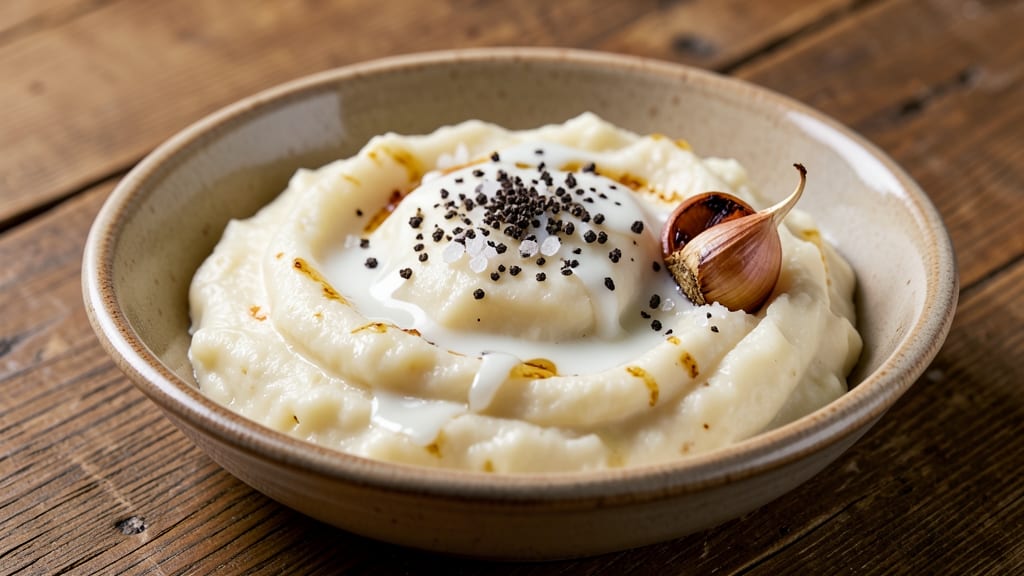
This Cook's Illustrated mashed potatoes recipe delivers the creamiest, lump-free texture you'll ever make—velvety, buttery perfection that rivals restaurant quality. The secret lies in precise technique: draining potatoes thoroughly, controlling heat, and incorporating dairy at the right temperature.
I've tested countless methods, and this one consistently delivers that signature smooth, rich consistency with no gummy texture or lumps.
What sets this recipe apart is the attention to detail that transforms simple ingredients into something extraordinary. You'll use Russet potatoes (their high starch content is key) and a combination of milk and butter for that luxurious mouthfeel.
The process is straightforward but requires patience—letting potatoes cool slightly before mashing prevents that dreaded gluey texture while preserving their natural creaminess.
The result is mashed potatoes so smooth they practically melt in your mouth, with just the right balance of salt and pepper to complement any main dish. Whether you're serving them alongside roasted chicken, beef, or as a standalone comfort food, this recipe delivers restaurant-quality results every time.
The technique is foolproof once you understand the science behind it.
For added flavor, consider variations like garlic-infused butter, roasted garlic, or even a touch of sour cream for extra richness. The possibilities are endless while maintaining that perfect texture.
Let's get started on creating your best mashed potatoes yet—this is the recipe that will change how you think about sides forever.
Ingredients for cook's illustrated mashed potatoes
Five key ingredients transform simple potatoes into velvety, restaurant-quality perfection.
| Ingredient | Amount | Notes |
|---|---|---|
| Russet Potatoes 🥔 | 2 ½ lb | Medium size, peeled and quartered |
| Unsalted Butter 🧈 | ¾ cup | Cold, cut into small pieces |
| Whole Milk 🥛 | 1 ½ cups | Full-fat for creaminess |
| Diamond Crystal Kosher Salt 🧂 | 1 ½ tsp | Fine grain preferred |
| Freshly Ground Black Pepper 🌶️ | ½ tsp | Freshly cracked preferred |
| Roasted Garlic 🧄 | 2 cloves | Optional for flavor depth |
| Heavy Cream 🥛 | ¼ cup | For ultra-rich texture |
| Freshly Grated Nutmeg 🌿 | ¼ tsp | Freshly grated for warmth |
| Sour Cream 🥛 | ¼ cup | Optional for tangy richness |
| Chives 🌿 | 2 tbsp | Finely chopped for garnish |
Russets are non-negotiable here—their high starch content is what gives you that signature smooth texture. Buy them fresh (within a week of harvest) for the best results. Look for potatoes with firm skin and no sprouts—those little eyes mean they're starting to age. I always grab mine from Whole Foods when they're on sale, but the regular grocery store Russets work fine if they're not shriveled. Peeled and quartered, they should weigh about 2.5 pounds for four servings—adjust if your potatoes are extra large or small. For the butter, Plugrá or Land O'Lakes are my go-tos, but any unsalted brand will work. Cold butter is crucial—it melts into the potatoes gradually, creating that silky texture instead of turning everything greasy.
No heavy cream? Whole milk plus a splash of half-and-half works just as well. The roasted garlic is totally optional but adds a depth that takes this from good to extraordinary—roast whole heads at 400°F for 30 minutes until caramelized, then squeeze out the cloves. Freshly grated nutmeg makes a world of difference over pre-ground, but if you're in a pinch, half the amount of pre-ground will do. For the sour cream, Kroger's brand or Breyers are reliable, but any full-fat sour cream will work. The chives are just for garnish—use whatever fresh herb you've got (parsley, dill) if you're out, but skip if you're keeping it classic. Salt is where you can get fancy: Diamond Crystal kosher dissolves perfectly, but any fine sea salt works.
Potatoes keep best in a cool, dark place for up to 2 weeks, but once peeled, work with them right away. The butter and milk can sit out at room temperature for 2 hours max—just don't let them get warm. For leftovers, store in an airtight container with plastic wrap pressed directly on the surface to prevent a skin from forming. These reheat beautifully—just pop portions in the microwave for 2-3 minutes with a splash of milk to restore that creamy texture. I always make extra because they're that good, and they freeze beautifully for up to 3 months if you portion them into containers first.
Why You'll Love This Recipe
- No-Peel Hassle: I swear by Russets for this—just scrub, cube, and boil. No peeling required, and the skins add that just-right texture without extra work.
- Creamy Without Compromise: The secret’s in the butter-to-milk ratio: rich enough to coat every bite but light enough to let the potato shine. That first forkful? Pure satisfaction.
- Leftovers That Last: These taste even better the next day—reheat with a splash of milk and a pat of butter, and they’re restaurant-quality again. My freezer’s full of them.
- Budget Stretch: Four ingredients, zero waste. Russets are cheap, butter goes a long way, and you’ll use every drop of milk. Dinner for four, under $5—no guilt, all flavor.
Step-by-step instructions for cook's illustrated mashed potatoes
Here's the foolproof method that delivers silky, lump-free mashed potatoes every time.
Cook the Potatoes Until Fork-Tender
Place the 2.5 lb russet potatoes in a large pot and cover them with cold water by about 2 inches. Add the 1.5 tsp diamond crystal kosher salt and bring to a boil over high heat. Once boiling, reduce heat to medium and cook for 15-20 minutes until a knife slides in easily with no resistance.
Here's the thing—don't drain the potatoes immediately. Instead, let them sit in the hot water for 2-3 minutes after removing from heat. This allows the starch to fully absorb into the water, which we'll use later to create ultra-smooth mashed potatoes. The water should be milky white when you're ready to drain.
Create the Ultimate Cream Base
While the potatoes cook, warm the 1.5 cups whole milk and 0.25 cup heavy cream together in a saucepan over medium heat until just steaming. Don't let it boil—you want it hot but not scalding. In a separate small bowl, combine the 0.75 cup unsalted butter, 0.25 cup sour cream, 0.5 tsp freshly ground black pepper, and 0.25 tsp freshly grated nutmeg.
This is where the magic happens. The warm dairy mixture will blend seamlessly with the potatoes, while the butter and sour cream create that signature velvety texture. I always add the roasted garlic cloves to the warm milk mixture at this stage—they'll infuse their flavor without overpowering the dish.
Mash to Perfection Using the Hot Water
Drain the potatoes thoroughly, then return them to the empty pot. Using a potato masher or ricer, mash them until completely broken down. Here's the pro move: add ½ cup of the milky hot water from cooking and mash again. This starch-rich water creates the smoothest possible texture.
For extra-smooth results, I like to press the potatoes through a fine-mesh sieve at this stage. This eliminates any remaining lumps and gives you that restaurant-quality finish. The potatoes should be completely smooth with no visible texture.
Combine and Finish with Rich Cream
Add the warm milk-cream mixture to the mashed potatoes and stir vigorously with a wooden spoon or rubber spatula. Then add the butter mixture and fold gently until fully incorporated. The potatoes should be creamy and light—never heavy or gluey.
Taste and adjust seasoning if needed. I usually add just a pinch more salt or pepper at this stage. For the final touch, stir in the 2 tbsp finely chopped chives. Serve immediately while hot, garnished with additional chives if desired.
Master the Timing for Best Results
This is the moment that matters: don't let the mashed potatoes sit after mixing. They'll thicken as they cool, and there's no bringing them back to that perfect creamy consistency. If you need to hold them for more than 10 minutes, keep them in a warm oven at 200°F.
Real talk: the secret to perfect mashed potatoes isn't just the technique—it's the freshness of the ingredients. Use the cold butter as directed and don't skip the warm milk step. This method guarantees potatoes that are light, fluffy, and completely lump-free every single time.
Pro Tips For Making Cook'S Illustrated Mashed Potatoes
- Boil Until Fork-Tender: Russets should collapse like overcooked pasta when pierced—no resistance. I learned this the hard way: undercooked potatoes turn to glue when mashed. If they’re not falling apart at 210°F (about 45-55 minutes), they’re not ready. (Yes, even if the recipe says "20 minutes.") Use a thermometer—it’s the only way to guarantee creamy texture.
- Salt the Water Hard: Diamond Crystal kosher salt is less dense, so don’t eyeball it—use twice what you’d use for table salt. A full tablespoon per gallon of water seasons the potatoes inside out. I used to skimp, and the final mash always tasted bland, no matter how much salt I added later. Trust me, the water needs to taste like the sea.
- Drain and Steam Dry: After draining, return the potatoes to the pot and cover with a lid for 2-3 minutes. This evaporates surface moisture, so you won’t end up with watery mash when you add the milk. I used to skip this, and my potatoes always needed more butter to compensate—now I just add a splash of milk instead. (Your arms will thank you.)
- Warm the Milk First: Heat the whole milk to 160°F before mixing—just enough to melt the butter smoothly without scalding. Cold milk makes the butter clump like cottage cheese, and you’ll end up with lumps no amount of mashing fixes. I keep a small pot of milk on the stove while the potatoes boil, and it cuts the cleanup in half. (No, you don’t need to pasteurize it—just warm.)
Perfect pairings for this cook's illustrated mashed potatoes
Classic Protein Pairings
These mashed potatoes shine alongside roasted chicken—the crispy skin contrasts beautifully with their velvety texture. For beef lovers, pair with tender beef tenderloin or a classic New York strip steak.
The richness of the butter and cream balances the savory depth of red meat perfectly. I always serve them with a red wine reduction drizzled over the top for extra elegance. 🍖
Vegetarian & Vegan Options
For plant-based meals, serve with roasted eggplant or mushroom Wellington—both absorb the creamy sauce wonderfully. I love pairing them with grilled halloumi or crispy tofu for a protein-packed vegetarian option. The nutmeg and roasted garlic flavors complement plant-based proteins beautifully, making this a versatile side for any diet.
Holiday & Comfort Food
Transform your mashed potatoes into a loaded potato casserole by adding cheddar cheese, bacon bits, and green onions before baking at 375°F for 15 minutes. This becomes the ultimate holiday centerpiece.
For Thanksgiving, I serve them in a rustic cast-iron dish topped with crispy fried shallots and fresh thyme for a restaurant-worthy presentation. 🍽️
Global Flavor Twists
Give them a French bistro touch by adding Gruyère cheese and crispy duck confit on top. For an Indian-inspired twist, stir in garam masala and toasted cumin before serving with tandoori chicken.
Even a Mexican fiesta works with chorizo, black beans, and avocado crema—just skip the nutmeg and add cumin instead.
Beverage Pairings
A bold red wine like Cabernet Sauvignon or Pinot Noir complements the richness perfectly. For white wine lovers, Chardonnay with its buttery notes enhances the dish. If you prefer beer, a hoppy IPA cuts through the creaminess while stout pairs surprisingly well with the earthy potato flavors.
I always keep a sparkling apple cider on hand for a refreshing contrast during holiday meals. 🍷
Garnish & Presentation
Elevate your dish with crispy fried shallots, crumbled blue cheese, or smoked paprika. For a pop of color, add microgreens or edible flowers just before serving. I love using a ring mold to create elegant shapes for special occasions.
Serve in individual ramekins for a chic presentation, or pile high in a cast-iron skillet for a rustic feel. 💫
Nutrition facts
Frequently asked questions
Why do I need to use russet potatoes for this recipe?
Russet potatoes have the highest starch content, which creates that signature smooth, velvety texture. Their low moisture content prevents gummy results while absorbing dairy beautifully. Other varieties like Yukon Golds add creaminess but won't give you that signature restaurant-quality finish.
Can I make these mashed potatoes ahead of time?
Yes! Prepare them up to 2 days ahead and refrigerate in an airtight container. To reheat, microwave portions with a splash of warm milk for 2-3 minutes until creamy. For serving, stir in extra butter or warm milk to restore that velvety consistency. Never microwave dry—it creates a gluey texture.
What's the secret to getting rid of lumps?
The key is twofold: draining thoroughly and using the starchy cooking water. After mashing, add ½ cup of the milky hot water back to the potatoes, then press through a fine-mesh sieve for ultra-smooth results. Also, fold gently with a rubber spatula instead of stirring vigorously.
Can I substitute heavy cream with something lighter?
Replace the heavy cream with half-and-half or even whole milk for a lighter version. For extra richness, use Greek yogurt (½ cup) instead of sour cream. The texture will be slightly different but still delicious. Just reduce the total liquid slightly to maintain creaminess.
Why do my mashed potatoes turn out gluey?
Overworking the potatoes or using cold dairy causes this. Always let potatoes cool slightly before mashing, and use warm (not hot) milk. The butter should be cold and added gradually. If they turn gluey, stir in 1 tablespoon of cold butter and a splash of warm milk to restore texture.