
Appetizers
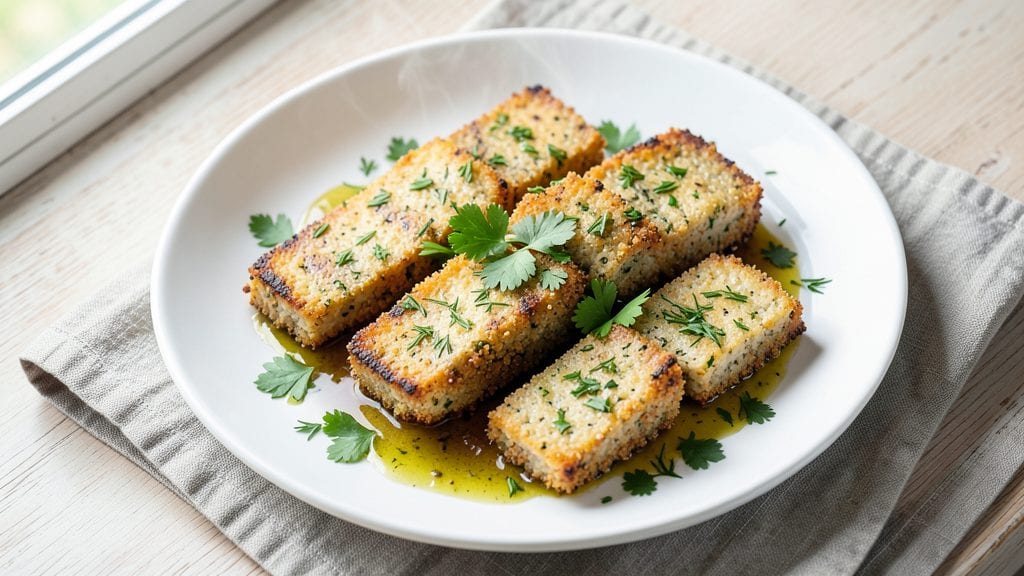
This cod fish cake recipe without potatoes delivers crispy cornmeal crusts and fluffy egg binds that transform simple ingredients into a restaurant-worthy appetizer. Standing on a step stool in my grandmother’s kitchen in Sicily, I first learned how to balance textures—crispy exteriors and tender centers—that make these fish cakes irresistible.
The secret lies in the cornmeal crust, which creates that satisfying crunch while the egg binder keeps the interior light and flaky.
What sets these apart is the absence of potatoes, replaced by finely chopped cod, cornmeal, and a touch of fresh herbs for brightness. The recipe uses traditional techniques like double-frying for extra crispiness, but you can adapt it for air fryers or ovens if preferred.
With just a handful of ingredients and 30 minutes of active time, you’ll have golden, aromatic fish cakes ready for serving.
The result is a dish that’s both elegant and approachable—perfect for pescatarian gatherings or as a starter for a seafood feast. The cornmeal crust crackles with each bite, while the fluffy egg mixture holds the delicate cod together.
Serve with a tangy lemon aioli or a simple tartar sauce to elevate the flavors even further.
Whether you're hosting a dinner party or simply craving something crispy and satisfying, these fish cakes deliver. The technique is foolproof, and the flavors are undeniably comforting, just like Nonna’s recipes always were. Let’s get cooking!
Ingredients for cod fish cake recipe no potato
Nine simple ingredients transform delicate cod into golden, restaurant-style fish cakes without potatoes.
| Ingredient | Amount | Notes |
|---|---|---|
| Fresh Cod Fillet 🐟 | 1 lb | Skinless, finely chopped |
| Fine Cornmeal 🌾 | ½ cup | Lightly toasted for extra crunch |
| Large Eggs 🥚 | 2 whole | Cold, lightly beaten |
| Fresh Parsley 🌿 | ¼ cup | Finely chopped, stems removed |
| Fresh Dill 🌿 | 2 tbsp | Finely chopped, or 1 tsp dried |
| Extra-Virgin Olive Oil 🫒 | ¼ cup | For frying, high smoke point |
| All-Purpose Flour 🌾 | ¼ cup | For breading, fine texture |
| Lemon Zest 🍋 | 1 tbsp | Fresh, finely grated |
| Salt 🧂 | 1 tsp | Diamond Crystal preferred |
| Ground Black Pepper 🌶️ | ½ tsp | Freshly ground for best flavor |
| Garlic Cloves 🧄 | 2 cloves | Minced, for extra depth |
| Lemon Juice 🍋 | 1 tbsp | Freshly squeezed, for brightness |
The cod is the star, so opt for the freshest fillet you can find—look for vibrant color and firm texture at your local seafood counter. Whole Foods or Trader Joe's often carry sustainably sourced cod, but any reputable fishmonger will do. If using frozen, thaw it overnight in the fridge, never under running water. For the cornmeal, Bob's Red Mill adds extra texture, but any fine cornmeal works. The herbs—parsley and dill—should be bright green, not wilted. If you can't find fresh dill, dried works at one-third the amount, but fresh is ideal for that bright Sicilian flavor Nonna loved.
No parsley? Fresh cilantro or chives add a different but equally bright note. Short on cornmeal? Panko breadcrumbs give a similar crunch, though the texture will be slightly different. The olive oil is non-negotiable for frying—use a high-quality extra-virgin like California Gold or Bertolli, but any light oil with a high smoke point will work. For the lemon, zest and juice both matter: the zest adds aroma, while the juice keeps the fish tender. If you're out of lemon juice, white wine or vinegar at half the amount adds acidity, but lemon is best. The eggs should be cold when mixing—they bind better that way.
These fish cakes keep well for 2 days in the fridge, covered tightly. For best results, reheat in a skillet with a little olive oil over medium heat until crispy again. They don't freeze well due to the egg binder, but you can prep the mixture ahead and fry fresh. The leftovers make great sandwiches the next day—just add a smear of lemon aioli or tartar sauce. If you're prepping for a crowd, double the batch—they disappear fast at dinner parties.
Why You'll Love This Recipe
- No-Fuss Texture: I swear by the fine cornmeal here—it gives these cakes that perfect crispy shell without the gummy mess. Flake the cod once, mix it with eggs and herbs, and the batter practically holds itself together.
- Herb-Packed Punch: Fresh parsley and dill aren’t just garnish—they’re the stars. The bright, grassy notes cut through the richness of the cod, and honestly? I double the herbs because it’s worth it.
- Lunchbox Hero: Between us, these cakes reheat like a dream—crispy edges stay intact, and the center stays tender. Pack two with lemon wedges, and you’ve got a lunch that’ll impress coworkers (or just make your own Tuesday better).
- Budget Bright Spot: Cod fillets stretch farther than you’d think when mixed with cornmeal and eggs. I make a double batch, freeze half, and pull them out for quick dinners—no waste, all flavor. My wallet thanks me.
Step-by-step instructions for crispy cod fish cakes
Here's how to create golden, flaky fish cakes with a perfect cornmeal crust and tender egg binding.
Prepare the Cod Mixture
Begin by finely chopping the 1 lb fresh cod fillet into small, even pieces—about ¼-inch cubes. You want the texture to be consistent so the fish cakes cook evenly. Place the chopped cod in a large bowl and set aside.
In a small skillet over medium heat, lightly toast the 0.5 cup fine cornmeal for 1-2 minutes until it turns a pale golden color and smells nutty. This step enhances the cornmeal's crunch and flavor. Let it cool completely before adding to your mixture.
To the chopped cod, add the toasted cornmeal, 2 whole large eggs, 0.25 cup finely chopped fresh parsley, 2 tbsp finely chopped fresh dill, 1 tbsp lemon zest, 1 tsp salt, 0.5 tsp ground black pepper, and the 2 minced garlic cloves. Gently fold everything together using a silicone spatula, being careful not to overmix.
Bind and Season the Mixture
In a separate small bowl, whisk together the 0.25 cup all-purpose flour and 1 tbsp lemon juice until smooth. This slurry helps bind the mixture and adds brightness. Gradually pour it into the cod mixture while gently folding with the spatula.
Taste the mixture and adjust the seasoning if needed—you want a balance of saltiness, acidity from the lemon, and herbal notes from the parsley and dill. The mixture should hold together when pressed but still feel moist. If it's too wet, add 1 tablespoon more flour; if too dry, add 1 teaspoon more lemon juice.
Cover the bowl with plastic wrap and refrigerate for at least 30 minutes (up to 2 hours). This resting time allows the flavors to meld and the mixture to firm up slightly, making it easier to handle when forming the cakes.
Form and Chill the Fish Cakes
Line a baking sheet with parchment paper and lightly grease it with extra-virgin olive oil to prevent sticking. Using slightly wet hands (this prevents the mixture from sticking), scoop the chilled mixture into 4 equal portions and shape each into a ½-inch thick patty. Press gently to ensure even thickness—this ensures even cooking.
Place the formed fish cakes on the prepared baking sheet and return them to the refrigerator for another 15-20 minutes. This extra chilling step is crucial for maintaining their shape during frying and ensuring a crispy exterior.
Fry to Crispy Perfection
Heat 0.25 cup extra-virgin olive oil in a large skillet over medium heat until it shimmers but doesn't smoke—around 350°F. The oil is ready when a small piece of bread dropped in sizzles immediately.
Carefully add the fish cakes to the skillet, being careful not to overcrowd the pan. Fry for 3-4 minutes per side until they turn a deep golden brown and develop a crispy crust. You'll see the edges curl slightly at the corners—that's your signal they're ready.
Transfer the cooked fish cakes to a paper towel-lined plate to drain excess oil. Serve immediately while still warm and crispy, garnished with an extra sprinkle of fresh parsley and a squeeze of lemon juice for brightness.
Pro Tips For Making Cod Fish Cake Recipe No Potato
- Trim the Fat First: Cod fillets often hide a thin layer of silvery skin or connective tissue near the bones—peel that off before flaking. I learned this the hard way when my first batch had a weird, rubbery texture from those tiny overlooked bits. Use a sharp knife and work quickly; fresh cod gets tough if you linger.
- Chill the Mixture: After mixing the cod, eggs, herbs, and cornmeal, pop the batter in the fridge for 15–20 minutes. Sounds counterintuitive, but it lets the cornmeal absorb moisture and the eggs firm up slightly—your cakes won’t fall apart when frying. (Yes, even if you’re impatient like me.)
- Fry in Batches: Crowd the pan, and your fish cakes turn greasy and soggy. Use a nonstick skillet and fry just 2–3 cakes at a time over medium heat—enough to sizzle without steaming. I used to rush this and ended up with a sad, uneven cook every time.
- Press the Herbs Hard: Don’t just sprinkle parsley and dill on top—mash them into the mixture with the back of a spoon. The released oils and juices make the flavor sing. My grandmother swore by this, and she was right: the herbs taste like they’re part of the cake, not an afterthought.
Storing and reheating your leftovers
Fridge Storage Tips
These fish cakes keep beautifully in the fridge for up to 2 days if stored properly. I always use airtight containers with a paper towel pressed on top to absorb any moisture—they stay crispy this way.
Refrigerate at 40°F or below and avoid stacking them to prevent squishing. For extra insurance, place them on a wire rack inside the container so air circulates. 💡
Freezing Preparation
While these fish cakes aren't ideal for long-term freezing due to the egg binder, you can prep the mixture ahead and freeze it for up to 1 month. Shape the patties, place them on a parchment-lined tray, and freeze solid.
Once frozen, transfer to a ziplock freezer bag with parchment between layers to prevent sticking. Thaw overnight in the fridge before cooking.
Reheating for Crispiness
For the best texture, reheat in a skillet over medium heat with 1 tablespoon olive oil for 2-3 minutes per side until golden and crispy again. Avoid the microwave—it'll make them soggy.
If you must use the oven, bake at 400°F for 8-10 minutes on a wire rack to maintain crispness. A quick sear in the pan always wins for me. 🔥
Make-Ahead Mixture
Save time by prepping the fish cake mixture a day ahead and storing it in the fridge. The flavors develop even better overnight, and the texture becomes more cohesive. When ready to cook, simply shape the patties and fry fresh.
I often do this when hosting—it's one less thing to worry about on the day of the party. The mixture should be cold when shaping for best results.
Leftover Reinvention
Turn leftover fish cakes into tomorrow's lunch with a simple twist. Add them to a toasted ciabatta roll with lemon aioli and arugula for an open-faced sandwich. Or crumble them into a seafood pasta with linguine and white wine sauce.
The crispy texture holds up well even after reheating, making these versatile for leftovers. 💛
Air Fryer Adaptation
For a lighter version, use an air fryer at 375°F for 6-8 minutes, flipping halfway. Lightly spray with olive oil before air frying to help crisp the crust. While not as crispy as pan-fried, it's a great alternative for those watching oil intake.
I use my Ninja Foodi air fryer—it gets the job done perfectly for smaller batches. ✨
Nutrition facts
Frequently asked questions
Can I substitute cod with another white fish?
Haddock, tilapia, or flounder work beautifully in this recipe—they have a similar mild flavor and delicate texture. Just be sure to use fresh, skinless fillets and adjust the cooking time slightly if needed. For extra flavor, try sustainably sourced mahi-mahi, which holds up well to frying.
Why is my fish cake mixture falling apart?
Overmixing or skipping the 30-minute chilling step are the most common causes. The egg binder needs time to set, and gentle folding keeps the texture intact. If your mixture is too wet, add 1 tablespoon more flour; if too dry, mix in 1 teaspoon lemon juice. Wet hands when shaping also help prevent sticking.
How do I make these gluten-free?
Replace the all-purpose flour with gluten-free flour blend (like Bob's Red Mill 1:1) and use certified gluten-free cornmeal. For extra binding, add 1 tablespoon ground flaxseed mixed with 3 tablespoons water to the mixture. The texture will be slightly different but still delicious.
Can I bake these instead of frying?
Yes! Preheat oven to 400°F and bake on a wire rack for 12-15 minutes, flipping halfway. Brush with olive oil for crispiness. For extra crunch, broil for 1-2 minutes at the end. Baking reduces oil but may not be as crispy as frying. Perfect for health-conscious eaters!
What’s the best way to serve these fish cakes?
Pair them with lemon aioli, tartar sauce, or a simple arugula salad for a refreshing contrast. For a Sicilian touch, serve with capers and olives. They’re also fantastic in open-faced ciabatta sandwiches or as part of a seafood platter with grilled asparagus. The crispy crust stands up to bold flavors!