
Side Dishes
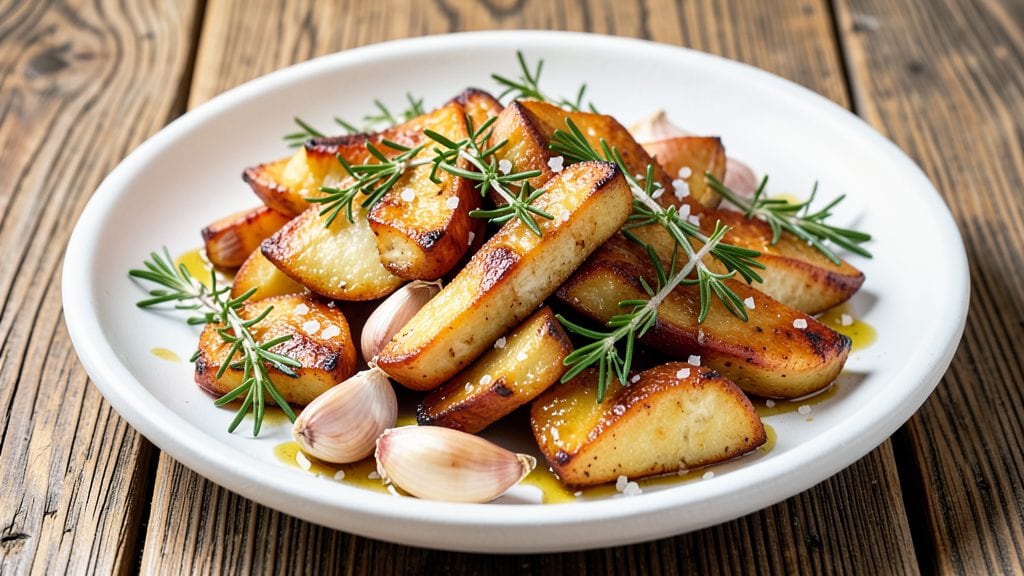
This vinegar-braised cassava potato recipe transforms humble yuca into a side dish with crispy edges and silky interiors that’ll steal the show at any table.
Standing on a step stool in my grandmother’s kitchen in Sicily, I first learned how cooking techniques can turn simple ingredients into something extraordinary—and this dish proves it. The secret lies in the vinegar braise, which caramelizes the cassava’s natural starches while keeping the inside tender and fluffy.
What makes this recipe special is how it bridges traditional and modern flavors—think of it as a cross between Italian polenta and Latin American cassava dishes.
You’ll start with fresh cassava (or yuca), which we’ll boil until fork-tender, then finish with a tangy vinegar and herb braise that adds depth without overpowering. The result? A dish that’s vegan-friendly, naturally gluten-free, and packed with that addictive crunch-meets-softness texture we all love.
By the time you’re done, you’ll have a side dish that’s restaurant-quality but still feels like a home-cooked hug. The vinegar braise gives it a bright, slightly tangy finish that pairs perfectly with grilled meats, black beans, or even just a sprinkle of flaky salt.
Plus, it’s a great way to use up cassava—whether you’re making fries, soups, or this braised version. Let’s get cooking!
This recipe works as a standalone side or as part of a bigger spread. Serve it warm with a squeeze of lime or a drizzle of olive oil for extra brightness.
The best part? It’s foolproof and ready in under an hour—no fancy skills required. Here’s how to make it shine.
Ingredients for cassava potato
Fresh cassava, tangy vinegar, and aromatic herbs—simple ingredients for a showstopping side.
| Ingredient | Amount | Notes |
|---|---|---|
| Fresh Cassava (Yuca) 🥔 | 1 ½ lb | Peeled, cut into 1-inch chunks |
| White Vinegar 🍶 | ½ cup | Distilled for tangy flavor |
| Extra-Virgin Olive Oil 🫒 | ¼ cup | For crispy edges |
| Garlic Cloves 🧄 | 4 cloves | Minced for aromatic base |
| Fresh Thyme Leaves 🌿 | ¼ cup | Or 1 tsp dried thyme |
| Fresh Rosemary 🌿 | ¼ cup | Chopped, for earthy depth |
| Sea Salt 🧂 | 1 ½ tsp | Flaky salt preferred |
| Black Peppercorns 🌶️ | ½ tsp | Freshly cracked |
| Fresh Lemon Juice 🍋 | 2 tbsp | Brightens the braise |
| Fresh Parsley 🌿 | ¼ cup | Chopped, for garnish |
| Water 💧 | 4 cups | For boiling cassava |
Cassava is the star here. Look for fresh, firm yuca at Latin markets or the produce section—avoid pre-packaged, waxy tubers that feel mushy. Costco or Whole Foods usually carry the best quality in bulk. If you can’t find fresh, frozen cassava works too (just thaw and pat dry). The vinegar matters—distilled white vinegar gives the brightest flavor without overpowering. I always grab a small bottle of Bragg’s from the health food aisle if I’m prepping ahead, but regular store-brand works fine. The herbs? Fresh is ideal, but dried thyme and rosemary at one-third the amount get you close in a pinch.
No fresh thyme or rosemary? Dried works at one-third the amount, but toast the dried herbs in a dry pan for 30 seconds first to wake up the flavors. Short on lemon juice? White wine vinegar or apple cider vinegar adds depth, though lemon’s brightness is unmatched. The olive oil should be extra-virgin—cheap oil won’t crisp the cassava right. For extra crunch, toss the finished potatoes with a pinch of smoked paprika before serving. And if you’re serving with grilled meats, double the herbs—they’ll soak up the smoky flavors beautifully.
Boiled cassava keeps for 3 days in the fridge, but it’s best used fresh. The braised version reheats beautifully—just toss with a splash of water and a pinch of salt. For meal prep, store components separately: cassava in one container, braising liquid in another. Reheat together for crispy edges every time. Freezes well for up to 3 months if you blanch the cassava first. I always make a double batch—half for dinner, half for lunches the next week.
Why You'll Love This Recipe
- Same recipe, different vibes: toss it with eggs for breakfast, serve it alongside grilled fish for dinner, or pile it high at a potluck. It reheats like a dream, so I make a big batch and forget about cooking for days.
- No-Peel Hassle: I peel potatoes all the time, but cassava? Just scrape off the skin with a knife—no fuss, no wasted time. The vinegar bath does the rest while I chop garlic, so it’s basically hands-off prep.
- Crispy-Creamy Magic: That first bite—golden crust outside, tender inside—is what makes this dish. The olive oil and thyme give it a bright, herby punch, while the vinegar keeps it from drying out. (Yes, even my picky husband asks for seconds.)
- Weeknight to Party: Same recipe, different vibes: toss it with eggs for breakfast, serve it alongside grilled fish for dinner, or pile it high at a potluck. It reheats like a dream, so I make a big batch and forget about cooking for days.
Step-by-step instructions for cassava potatoes: vinegar-braised crunch meets silky interiors
Here's how to transform humble cassava into tender, vinegar-braised potatoes with crispy edges and fragrant herbs.
Prepare the Cassava for Braising
Begin by peeling the 1.5 lb fresh cassava using a vegetable peeler or sharp knife. Cut it into 1-inch chunks, ensuring all pieces are similar in size for even cooking. Place the cassava chunks in a large pot and cover them with the 4 cups of water. Bring to a boil over medium-high heat, then reduce to a gentle simmer for 10 minutes.
I like to stir occasionally to prevent sticking, but don't overcrowd the pot. The cassava should be partially tender but still firm to the touch when you pierce it with a fork. Drain the cassava immediately after cooking and transfer it to a colander to steam-dry for 2 minutes. This step removes excess moisture that would otherwise prevent crispy edges later.
Build the Vinegar-Oil Base
In a large, heavy-bottomed skillet, heat the 0.25 cup extra-virgin olive oil over medium heat until shimmering but not smoking. Add the 4 minced garlic cloves and cook for 30 seconds until fragrant. Be careful not to let the garlic brown—it should just perfume the oil.
Next, pour in the 0.5 cup white vinegar and let it simmer for 1 minute until the liquid reduces by about half. This creates a tangy, aromatic base that will tenderize the cassava while adding depth of flavor. The vinegar also helps break down the cassava's natural starches, resulting in that perfect silky interior we're after.
Add Herbs and Season the Cassava
Stir in the 0.25 cup chopped fresh rosemary and 0.25 cup fresh thyme leaves, allowing the aromatic oils to infuse into the vinegar mixture for 30 seconds. Add the 1.5 tsp sea salt and 0.5 tsp freshly cracked black peppercorns, mixing well to distribute the seasoning evenly.
Now carefully add the drained cassava chunks to the skillet, turning them gently to coat in the herbed vinegar mixture. The cassava should sizzle lightly as it hits the hot pan. Cover the skillet with a tight-fitting lid and reduce heat to low. Let the cassava steam and braise for 20 minutes, stirring occasionally to ensure even cooking.
Develop Crispy Edges and Finish with Lemon
After 20 minutes, remove the lid and increase heat to medium. Here's where the magic happens: let the cassava cook uncovered for 10-12 minutes, stirring occasionally. You're looking for golden-brown spots on the edges—they'll crisp up beautifully while keeping the interiors tender. If the cassava starts to stick, add 1-2 tablespoons of water to deglaze the pan.
When the cassava is tender with crispy edges, stir in the 2 tbsp fresh lemon juice. This brightens the dish and cuts through the richness of the olive oil. Taste and adjust seasoning if needed—you might want to add a pinch more salt or a crack of pepper to taste. The cassava should be fork-tender with a crispy exterior that gives way to a silky interior.
Garnish and Serve Immediately
Transfer the cassava to a serving platter and sprinkle with the 0.25 cup chopped fresh parsley. The parsley adds a fresh, vibrant contrast to the earthy herbs and tangy vinegar. Serve immediately while the edges are still crispy—this dish doesn't wait well, as the cassava tends to soften as it cools.
This preparation yields 4 generous servings, perfect for a hearty side dish. The combination of crispy edges and silky centers, along with the aromatic herbs and bright lemon finish, makes these cassava potatoes a standout. They pair beautifully with grilled meats, fish, or even on their own as a satisfying vegetarian main.
Pro Tips For Making Cassava Potato
- Peel Before Slicing: Cassava skin is tough and stubborn—peel it first with a sharp knife, then slice into even ½-inch rounds. I learned this the hard way after struggling to cut unpeeled yuca and ending up with uneven, messy pieces that cooked at different rates.
- Soak in Vinegar: Toss sliced cassava in white vinegar for 10 minutes before cooking—it keeps the color bright and prevents that dull, grayish hue. Skip this, and your dish will look like it’s been sitting in the fridge for a week.
- High Heat, Then Low: Start frying or roasting cassava over medium-high heat until edges crisp, then drop to medium-low to finish cooking. Rushing the heat turns it rubbery; too low, and it steams instead of browning.
- Smash Garlic First: Mince garlic so fine it’s almost paste-like—this ensures it blends into the oil without burning or clumping. Whole cloves or rough chopping means you’ll taste raw garlic instead of smooth, aromatic flavor.
Creative variations of these flavors
Latin-Inspired Cassava Fries
Transform cassava into crispy, golden fries by cutting peeled cassava into ¼-inch thick sticks and frying in 350°F oil for 4-5 minutes until golden. Toss with 1 tbsp lime juice, 1 tsp smoked paprika, and flaky salt for a Latin-inspired twist.
Serve with avocado crema (blend avocado, sour cream, lime, and cilantro) for dipping. 🌶️
For extra crunch, double-fry the cassava: first at 325°F for 3 minutes, then increase to 375°F for 2-3 minutes until crispy. The first fry cooks through, while the second creates that addictive crunch. I love serving these with grilled shrimp tacos or as a vegan snack platter.
African Cassava Fufu
Fufu is a West African staple where cassava is boiled, peeled, and pounded into a smooth dough. Start by boiling 2 lbs peeled cassava until fork-tender (20-25 minutes). Drain and pound with a wooden pestle or food processor until smooth.
Serve with peanut soup or egusi stew for dipping. The texture is like mashed potatoes meets bread dough—comfort food at its finest. 🥣
For extra flavor, mix in 1 tbsp ginger and ½ tsp nutmeg while pounding. Wrap the fufu in banana leaves before serving for an authentic touch. This version is naturally gluten-free and vegan, making it perfect for dietary restrictions.
Cassava Flour Pancakes
Blend 1 cup cassava flour, ½ cup water, 1 egg, and 1 tbsp olive oil into a thick batter. Cook on a greased skillet over medium heat for 3-4 minutes per side until golden.
Top with sweetened condensed milk and cinnamon for a dessert twist, or keep it savory with scrambled eggs and salsa. 🍳
For extra fluffiness, let the batter rest for 10 minutes before cooking. These pancakes are lighter than traditional ones and pair perfectly with breakfast or brunch spreads. I love adding grated zucchini to the batter for extra moisture.
Caribbean Cassava Pudding
Simmer 2 cups grated cassava, 1 can coconut milk, ½ cup brown sugar, and 1 tsp vanilla for 20 minutes until thick. Pour into ramekins and chill for 4 hours.
Top with toasted coconut flakes before serving. This creamy, naturally sweet dessert is a Caribbean favorite. 🥥
For a spiced version, add ½ tsp cinnamon and ¼ tsp nutmeg to the mixture. The cassava’s neutral flavor lets the coconut and spices shine. Serve warm or chilled—either way, it’s a crowd-pleaser.
Nutrition facts
Frequently asked questions
How do I know when fresh cassava is ripe and ready to use?
Look for firm, smooth-skinned tubers that feel heavy for their size. The skin should be unblemished and slightly shiny—avoid any with soft spots or wrinkles. A ripe cassava will yield slightly when pressed but won't feel mushy. Store unpeeled in a cool, dark place for up to 2 weeks.
Can I substitute yuca for cassava in this recipe?
Yuca is simply the Spanish name for cassava. Just ensure you're using fresh, starchy varieties (not the bitter kind). The preparation and cooking methods are identical. For extra flavor, try adding a pinch of cinnamon to the braising liquid if you're making a sweet variation.
Why does my cassava turn out gummy instead of crispy?
This usually happens from overcooking or not drying the cassava properly after boiling. Always steam-dry the boiled pieces for 2 minutes in a colander before braising. For crispier edges, increase the uncovered cooking time by 2-3 minutes and ensure your oil is hot enough before adding the cassava.
What are the best ways to store leftover cassava?
Cooked cassava keeps for 3 days in the fridge in an airtight container. For longer storage, freeze the braised pieces for up to 3 months. Reheat in a skillet with a splash of water to restore crispiness. To prevent sogginess, store components separately—cassava in one container, braising liquid in another.
How can I make this dish spicier?
Add ½ teaspoon smoked paprika to the braising liquid or toss the finished cassava with 1 teaspoon chili flakes and a pinch of cayenne.