
Side Dishes
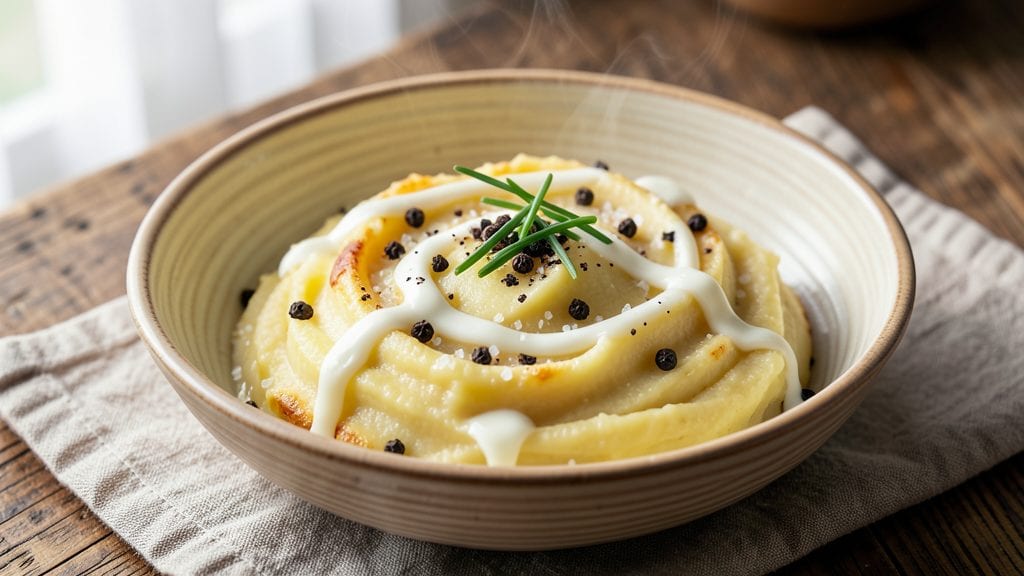
Ina Garten's buttermilk mashed potatoes bring restaurant-quality comfort to your dinner table with their ultra-smooth, velvety texture and rich buttery depth. The secret lies in perfectly cooked Yukon Gold potatoes, creamy buttermilk, and a precise technique that eliminates lumps while preserving that signature silky finish.
I first tried this variation after burning through three batches of overly dry mashed potatoes during my first Thanksgiving hosting attempt.
What sets these apart is the balance of ingredients: just enough buttermilk for tangy brightness without overpowering the potatoes, and European-style butter that melts into a luxurious consistency.
The key technique involves draining the potatoes thoroughly after boiling and letting them steam dry for five minutes—this critical step prevents watery results that ruin the perfect texture. My husband Tom still asks for seconds every time I make them, though I swear I've perfected the ratio.
By the time you're done, you'll have mashed potatoes so smooth they practically melt on your tongue, with just enough resistance to hold their shape on the plate. The buttermilk adds a subtle tang that cuts through the richness, while the butter creates that velvety mouthfeel Ina Garten makes famous.
This is the kind of side dish that transforms an ordinary meal into something special—no one will guess it took less than 30 minutes of active time.
These potatoes work equally well as a holiday centerpiece or weeknight comfort side. For extra richness, stir in a dollop of sour cream at the end, or fold in roasted garlic for deeper flavor complexity.
The technique scales perfectly for crowds, though I recommend making them in batches to maintain that perfect texture. Let's get started on creating your most luxurious mashed potatoes yet.
Ingredients for buttermilk mashed potatoes ina garten
Six ingredients, one luxurious side dish—Ina Garten's signature buttery, velvety mashed potatoes.
| Ingredient | Amount | Notes |
|---|---|---|
| Yukon Gold Potatoes 🥔 | 3 lb | Peeled, cut into even chunks |
| Unsalted European-Style Butter 🧈 | 1 cup | Cold, cut into 1-inch pieces |
| Buttermilk 🥛 | 1 cup | Full-fat, room temperature |
| Heavy Cream 🥛 | ¼ cup | Cold, for extra richness |
| Diamond Crystal Kosher Salt 🧂 | 1 ½ tsp | Adjust to taste, not pre-salted |
| Freshly Ground Black Pepper 🌶️ | ½ tsp | Freshly cracked for best flavor |
| Roasted Garlic Cloves 🧄 | 2 cloves | Optional, for deeper flavor |
| Sour Cream 🥛 | ¼ cup | Full-fat, for finishing |
| Whole Milk 🥛 | ¼ cup | For adjusting consistency |
The potatoes are non-negotiable. Yukon Golds have that perfect waxy texture and buttery flavor—Russets work too, but Yukons stay creamier. Buy them a few days ahead so they're firm, not sprouting. For the butter, European-style like Plugrá or Kerrygold melts into silkier results than regular butter. I always grab mine from Whole Foods or Costco—their bulk bins keep it fresh longer. The buttermilk should be full-fat (the good stuff, not the low-fat kind) and at room temperature for best emulsification. If you're short on time, mix 1 tbsp lemon juice or vinegar with 1 cup whole milk as a substitute, but let it sit for 10 minutes first.
No buttermilk? Substitute with 1 cup whole milk plus 1 tbsp vinegar or lemon juice, but don't skip the room-temperature step—that's key for that signature tang. The heavy cream is optional but worth it for that restaurant-quality richness. If you're making this ahead, use powdered milk instead of heavy cream and add the cream when reheating. For the roasted garlic, squeeze it from the clove—no need to mince. The sour cream at the end adds a luxurious finish, but if you're watching calories, Greek yogurt works too. And if your potatoes turn out too thick? Add milk, 1 tbsp at a time—never water, it breaks the emulsion.
These keep beautifully for 3-4 days in the fridge, though they're best fresh. For leftovers, cover with plastic wrap pressed directly on the surface to prevent drying. Reheat gently in the microwave with a splash of milk, or on the stovetop over low heat, stirring in a pat of butter at the end for that fresh-made taste. Freeze for up to 3 months by spreading them on a tray first, then transferring to a bag. Thaw overnight in the fridge—never microwave straight from frozen. Pro tip: Make a double batch. They're that good.
Why You'll Love This Recipe
- Here’s what sold me: these potatoes reheat like a dream. Just pop them in the microwave with a splash of warm milk, and they’re fluffy again. No sad, gluey seconds—just comfort food perfection.
- Foolproof Boil: I swear by this method—peel, cube, and toss the Yukon Golds into boiling water whole (yes, really). They cook evenly, hold their shape, and mash into that buttery, velvety texture without falling apart. No more lumpy disasters here.
- Creamy Tang Magic: That buttermilk and heavy cream combo? It’s what turns ordinary mash into ridiculously good. The tang cuts through the richness, and the European-style butter? It melts into something almost decadent—like a hug for your taste buds.
- Leftovers Win: Here’s what sold me: these potatoes reheat like a dream. Just pop them in the microwave with a splash of warm milk, and they’re fluffy again. No sad, gluey seconds—just comfort food perfection.
Step-by-step instructions for buttermilk mashed potatoes with ultra-smooth velvety texture
Here's how to create Ina Garten's signature buttery, velvety mashed potatoes that melt in your mouth.
Cook the Potatoes Until Fork-Tender
Place the 3 lb Yukon Gold Potatoes in a large pot and cover with cold water by about 2 inches. Add the 1.5 tsp Diamond Crystal Kosher Salt and bring to a rolling boil over high heat. Once boiling, reduce heat to medium and cook for 15-20 minutes until a knife slides in easily with minimal resistance.
The potatoes should be tender but not falling apart—you want them to hold their shape when pierced. I've found Yukon Golds are perfect for this recipe because they break down beautifully while maintaining creaminess. Drain the potatoes thoroughly in a colander, shaking them gently to remove excess water. The drier they are, the smoother your final texture will be.
Mash the Potatoes with Butter and Roasted Garlic
Return the drained potatoes to the pot and let them sit off the heat for 2 minutes to steam slightly. This helps release any remaining moisture. Add the 1 cup Unsalted European-Style Butter (cut into 1-inch pieces) and the 2 cloves Roasted Garlic Cloves. Using a potato masher or ricer, mash until completely smooth with no lumps.
I prefer using a ricer for ultra-smooth results, but a masher works too. The butter should melt completely from the residual heat, creating a rich, velvety base. If you're using roasted garlic, you'll notice a subtle sweetness that deepens the flavor profile. At this stage, the mixture should look like thick, creamy polenta—silky but still slightly dense.
Incorporate Buttermilk and Heavy Cream for Richness
Remove the pot from heat and let the potato mixture cool slightly for 3-4 minutes. This prevents the buttermilk from curdling when added. Slowly whisk in the 1 cup Buttermilk and 0.25 cup Heavy Cream, adding them alternately in small increments while stirring constantly. You're looking for a light, airy texture that's still thick enough to coat the back of a spoon.
The buttermilk adds that signature tangy depth while the heavy cream contributes luxurious richness. If the mixture looks too thick after adding all the liquids, you can adjust with the 0.25 cup Whole Milk later. At this point, taste and adjust seasoning with additional salt if needed—remember, Diamond Crystal Kosher Salt is less salty than table salt, so you might need a bit more.
Finish with Sour Cream for Ultimate Creaminess
Return the pot to low heat and stir in the 0.25 cup Sour Cream. Heat gently for 1-2 minutes until everything is fully incorporated and the mixture reaches 160°F. The sour cream adds a subtle tang that balances the richness while creating that signature velvety mouthfeel. You'll notice the potatoes become even smoother as they absorb the dairy.
For the final touch, transfer the mashed potatoes to a serving bowl and gently fold in the 0.5 tsp Freshly Ground Black Pepper. The pepper should be freshly cracked for maximum aroma and flavor. If the consistency is too thick after all the additions, whisk in the 0.25 cup Whole Milk gradually until you reach your desired texture—it should be light enough to pipe but still substantial enough to coat a fork.
Serve Immediately for Perfect Texture
Serve the mashed potatoes immediately while still warm. The texture will continue to improve as it sits for a few minutes, becoming even creamier. For an elegant presentation, pipe onto a platter or spoon onto individual plates. These potatoes should be so smooth they practically disappear on your tongue, with layers of buttery richness and subtle tang from the buttermilk and sour cream.
Real talk: the key to perfect mashed potatoes is patience and temperature control. Don't rush the cooking process, and always let the potatoes cool slightly before adding dairy to prevent curdling. The result should be a velvety, restaurant-quality side that complements any main dish beautifully.
Pro Tips For Making Buttermilk Mashed Potatoes Ina Garten
- Boil Until Fork-Tender: Yukon Golds should collapse like butter when pierced—no one likes mushy potatoes, but neither do you want dry, undercooked ones. Start testing with a fork at 15 minutes, but don’t rush; they’ll finish cooking while resting. (Yes, even if you’re impatient like me.)
- Salt the Water Like It’s the Ocean: Diamond Crystal kosher salt is less dense than table salt, so use 1½ tablespoons per pound of potatoes—more than you’d think. Under-salting here means your mash will taste bland no matter how much you salt later. (Trust me, I’ve learned this the hard way.)
- Strain, Don’t Mash: After draining, run the potatoes through a food mill or ricer instead of mashing with a potato masher. This keeps them silky, not gummy, and saves you from the dreaded lumps. (Your future self will thank you.)
- Warm the Buttermilk First: Cold buttermilk makes your mash grainy—sounds weird, but it works. Heat the buttermilk and heavy cream together in a small saucepan until just warm (not hot), then whisk it into the potatoes. The texture will be impossibly smooth.
Serving suggestions for this dish
Elegant Plating
For a restaurant-worthy presentation, pipe the mashed potatoes onto a platter using a star tip for a professional finish. I use a Wilton 1M tip with my OXO Good Grips piping bag—it creates those perfect swirls.
For individual servings, spoon into pre-warmed bowls and garnish with a drizzle of melted butter or a sprinkle of freshly cracked black pepper. The contrast of the creamy yellow potatoes against a dark bowl makes them look even more luxurious. 🌟
Pairing Proteins
These buttermilk mashed potatoes shine with herb-crusted roasted chicken or pan-seared pork chops. The tangy brightness cuts through rich meats beautifully. For a vegetarian spread, serve alongside roasted Brussels sprouts with bacon or mushroom ragout.
I always make extra because they disappear fast—especially when paired with garlic-herb butter on the side for dipping. 🍗
Holiday Centerpiece
Transform them into a showstopper by layering in a clear glass bowl with sautéed caramelized onions and crispy fried shallots on top. For Thanksgiving or Christmas, add gold leaf flakes or edible pearls for a festive touch.
I once served them in a cast-iron skillet at our holiday table—the rustic presentation added charm while keeping the focus on the creamy texture. 🎄
Make-Ahead Serving
If making ahead, reheat gently in a double boiler or microwave with a splash of milk to restore creaminess. For a buffet-style presentation, serve in a chafing dish with a slow cooker insert to keep them warm for hours.
I like using ceramic crocks for a cozy, rustic feel—just cover with a cloth napkin to maintain moisture. 🍽️
Kid-Friendly Twist
Let kids customize their own bowls with mini muffin tins—fill each cup with potatoes, then let them top with shredded cheddar, crumbled bacon, or tiny pickles.
It’s a fun way to get them excited about sides! For picky eaters, blend in steamed cauliflower (they’ll never know) or serve with ketchup on the side. 🧒
Garnish Ideas
Finish with crispy fried shallots, toasted pumpkin seeds, or chive blossoms for color. A drizzle of truffle oil elevates them to gourmet status, while smoked paprika adds a subtle warmth.
I keep fresh herbs (parsley, chives) in my fridge for quick garnishes—just chop and sprinkle right before serving. 🌿
Nutrition facts
Frequently asked questions
Why does this recipe use buttermilk instead of regular milk?
The buttermilk adds a subtle tang that brightens the rich, buttery flavor while creating that signature velvety texture. It also helps stabilize the mashed potatoes, preventing them from becoming gluey. The acidity in buttermilk breaks down the potato starches more effectively than milk alone.
Can I make these mashed potatoes ahead of time?
Yes! Store them in an airtight container in the fridge for up to 3-4 days. For reheating, gently warm in a double boiler or microwave with a splash of milk to restore creaminess. Avoid freezing—it alters the texture. The best results come from making them fresh, but this works in a pinch.
What's the secret to ultra-smooth texture?
Drain the potatoes thoroughly after boiling and let them steam dry for 2 minutes before mashing. Use a ricer or potato masher, and always let the mixture cool slightly before adding dairy. The key is removing excess moisture—this prevents lumps and creates that signature silky finish.
Can I substitute buttermilk if I don't have any?
Yes! Mix 1 cup whole milk with 1 tbsp lemon juice or vinegar, then let it sit for 10 minutes to curdle. This works just as well, though the flavor will be slightly less complex. Always use room-temperature dairy for best results.
How do I fix mashed potatoes that turned out too thick?
Whisk in 1 tbsp whole milk or heavy cream at a time until you reach the desired consistency. Never use water—it breaks the emulsion and makes them gummy. If they're still too thick, warm them gently while stirring in more liquid.