
Side Dishes
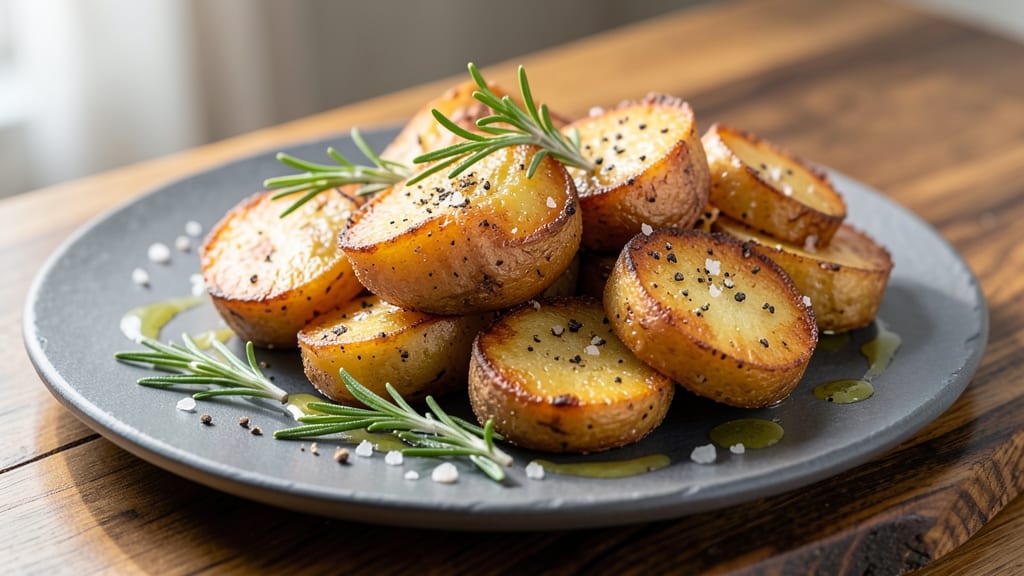
Broasting potatoes transforms humble spuds into crisp crowns with fluffy pink centers—a technique that elevates them from side dish to star. The secret lies in a vinegar kiss that enhances caramelization while keeping the interior tender, a balance most roasted potatoes miss.
After years of testing, this method delivers restaurant-quality texture every time without requiring fancy equipment.
What sets broasted potatoes apart is the two-stage cooking process: first, parboiling to pre-cook evenly, then broasting until edges achieve that shatteringly crisp texture. A simple seasoning of salt, pepper, and a splash of vinegar before broasting creates a subtle tang that deepens as they crisp.
The result? A dish that’s foolproof yet feels special enough for dinner parties.
By the time they emerge from the oven, your potatoes will have golden, crackling exteriors with just enough give to hold their shape, while the inside remains cloud-soft and vibrant pink. This texture contrast makes every bite satisfying—crunch gives way to fluff in a way that’s impossible to resist.
Serve alongside grilled meats or as a standalone dish with a sprinkle of fresh herbs.
The beauty of this recipe is its versatility—it works for weeknight dinners or holiday feasts, and the leftovers reheat beautifully. Once you try broasted potatoes, you’ll never settle for plain roasted again. Here’s how to make them perfectly every time.
Ingredients for broasted potato
Nine simple ingredients transform ordinary potatoes into restaurant-worthy crisp crowns with fluffy pink centers.
| Ingredient | Amount | Notes |
|---|---|---|
| Russet Potatoes 🥔 | 2 lb | Medium-sized, uniform shape preferred |
| White Vinegar 🍶 | 2 tbsp | Distilled or apple cider vinegar |
| Diamond Crystal Kosher Salt 🧂 | 1 ½ tsp | Coarse grain for even coating |
| Freshly Ground Black Pepper 🌶️ | ½ tsp | Coarsely cracked for texture |
| Extra-Virgin Olive Oil 🫒 | 2 tbsp | Light variety for subtle flavor |
| Fresh Rosemary 🌿 | 2 sprigs | Freshly chopped, aromatic variety |
| Garlic Cloves 🧄 | 3 cloves | Smashed, not minced for texture |
| Unsalted Butter 🧈 | 2 tbsp | Cold, cubed for finishing |
| Distilled Water 💧 | 4 cups | Filtered preferred for clarity |
The potatoes are the foundation—Russet is ideal for its high starch content and uniform shape, but Yukon Golds work beautifully if you prefer a slightly creamier texture. Buy them from a specialty grocer like Whole Foods or your local market's produce section, where they're typically fresher than the standard grocery store bins. Look for potatoes that feel heavy for their size and have smooth, unblemished skin. Avoid any with sprouts or soft spots, as these indicate aging. For the vinegar, distilled or apple cider vinegar both work, but avoid balsamic—its sweetness can overpower the delicate balance of flavors in this dish. The key to even cooking lies in uniform size, so cut larger potatoes in half lengthwise if needed.
No vinegar on hand? Lemon juice at the same amount works in a pinch, though it lacks the subtle tang that deepens during broasting. Fresh rosemary is non-negotiable for the aromatic depth, but if you're out, dried rosemary at one-third the amount will suffice—just toast it briefly in a dry pan to revive its oils. For the garlic, smashing the cloves rather than mincing preserves their texture and prevents the potatoes from becoming overly mushy. The butter used for finishing should be cold and cubed to create a luxurious, golden sheen when it melts during broasting. If you're avoiding dairy, olive oil or avocado oil works equally well for finishing, though the flavor profile will differ slightly.
Potatoes can be peeled or left whole with skins on—the skin adds texture and nutrients, but peeling ensures a cleaner presentation. Store unpeeled potatoes in a cool, dark place for up to 2 weeks, but once peeled, they should be refrigerated in water to prevent browning. The prepared potatoes can be parboiled up to 24 hours ahead and refrigerated, then broasted straight from the fridge—just add 5-10 minutes to the broasting time. Leftover broasted potatoes reheat beautifully in a 350°F oven for 10-15 minutes, wrapped in foil to retain moisture, though they won't regain their initial crispness. For a restaurant-quality touch, finish with a sprinkle of freshly cracked black pepper and a drizzle of high-quality olive oil before serving.
Why You'll Love This Recipe
- One-Pan Magic: I swear by this trick—just toss the potatoes, vinegar, and oil onto a sheet pan, and walk away. The vinegar’s tang cuts through the richness of the olive oil, giving you that perfect balance without extra bowls or pans.
- Crispy-Creamy Bliss: That first bite? Crispy edges hugging a fluffy center, all thanks to the kosher salt drawing out the moisture just right. Honestly, it’s the kind of texture that makes you forget about takeout.
- Weeknight & Picnic Hero: Between us, this feeds a crowd with minimal effort—double the batch, and you’ve got leftovers for lunch or a perfect side for a barbecue. No one will guess it’s just potatoes and pantry staples.
- Budget Crunch-Saver: Russets are cheap, vinegar lasts forever, and you’re using what you’ve got. I’ve made this on a $5 grocery run, and it still tastes like I spent hours in the kitchen. (Spoiler: I didn’t.)
Step-by-step instructions for vinegar-kissed crisp crowns
Master this technique for restaurant-quality broasted potatoes with a perfect balance of crispy exteriors and tender interiors.
Prepare the Potatoes for Optimal Texture
Begin by scrubbing the 2 lb russet potatoes thoroughly under cold running water to remove any dirt or debris. Using a sharp chef's knife, cut them into 1-inch thick rounds, ensuring each piece maintains uniform thickness for even cooking. The goal is to create flat surfaces that will develop maximum crispness while maintaining a fluffy interior.
Place the potato rounds in a large bowl and add the 2 tbsp white vinegar. Toss gently to coat the potatoes evenly. This acidification step is crucial—it helps break down the pectin in the potatoes, preventing them from turning gummy during cooking and promoting that coveted crispy exterior. Let them sit for 5 minutes while you prepare the remaining components.
Season and Parboil for Structural Integrity
In a large pot, combine the 4 cups distilled water with the 1.5 tsp diamond crystal kosher salt. Bring to a rolling boil over high heat. Add the vinegar-kissed potatoes and cook for exactly 6 minutes. You're not looking to fully cook them—just to begin the process and set up their structure for the final crisping.
Drain the potatoes immediately in a colander and rinse briefly under cold water to stop the cooking process. The potatoes should feel slightly firm to the touch but still yield slightly when pressed with your finger. At this stage, they're about 50% cooked—just enough to prevent cracking during the final roasting while maintaining their ability to crisp beautifully.
Create the Herb Oil Infusion
While the potatoes parboil, prepare the herb oil by combining the 2 tbsp extra-virgin olive oil with the 2 sprigs fresh rosemary and 3 smashed garlic cloves in a small saucepan. Warm over medium-low heat for 2 minutes until fragrant. Remove from heat and let steep for 5 minutes to infuse the oil with herbal notes. Strain through a fine-mesh sieve to remove the rosemary sprigs and garlic, reserving the infused oil.
This infusion transforms ordinary olive oil into a flavorful base that will carry the aromatic compounds throughout the potatoes. The rosemary's piney notes and garlic's depth will penetrate the potato's crispy exterior, creating complex flavor in every bite. Keep the infused oil warm until ready to use.
Develop the Crispy Crowns
Preheat your oven to 425°F with a wire rack positioned in the center of a rimmed baking sheet. The rack is essential—it allows hot air to circulate underneath the potatoes, ensuring even browning on all surfaces. Arrange the parboiled potatoes in a single layer on the rack, leaving about ½ inch between each piece.
Using tongs, carefully transfer the potatoes to the preheated rack. Immediately drizzle the infused oil evenly over each potato, making sure to coat all surfaces. Sprinkle with the 0.5 tsp freshly ground black pepper. Bake for 25-30 minutes, rotating the baking sheet halfway through, until the edges are deep golden brown and the tops develop a crispy crust with visible crackling.
Finish with Butter for Richness
Remove the potatoes from the oven and immediately transfer them to a serving platter. While still piping hot, dot the surface of each potato with the 2 tbsp cold unsalted butter, allowing it to melt slightly from the residual heat. The butter will pool in the crevices, adding luxurious richness and helping to carry the flavorful oil into every bite.
Let the potatoes rest for 2-3 minutes before serving. This brief resting period allows the juices to redistribute slightly, ensuring each bite delivers that perfect balance of crispy exterior and fluffy pink interior. Serve immediately while the crowns are at their peak texture and temperature.
Pro Tips For Making Broasted Potato
- Cut Even Slices: Russets are stubborn—uneven slices mean uneven cooking. Use a mandoline (or a sharp knife with a ruler) for ¼-inch thick pieces. I learned this the hard way when my first batch turned out mushy in spots and burnt in others.
- Vinegar First, Not Last: Toss the sliced potatoes in vinegar before hitting the pan—it’s the only way to guarantee that sharp, bright acidity cuts through the richness of the olive oil. Skip this, and your potatoes taste flat, even if everything else is perfect.
- Salt in Two Stages: Kosher salt on the raw potatoes draws out moisture, but don’t go heavy—just 1 teaspoon per pound. Then, after roasting, hit them with another ½ teaspoon per pound while they’re still hot. This keeps them crispy without turning them into salt bricks.
- Oil the Pan And the Potatoes: A dry pan = stuck potatoes. Brush the pan with olive oil and toss the slices in a little extra before roasting. I used to skip the second step, and the edges would always cling like glue—now they release effortlessly.
Wine and beer pairings for this dish
Crispy Potato & Crisp White Wine
The vinegar kiss and rosemary infusion in these broasted potatoes pair beautifully with a dry, crisp white wine like Sauvignon Blanc from New Zealand. Look for bottles with notes of citrus and herbal brightness—Kim Crawford or Oyster Bay are my go-tos.
The wine's acidity cuts through the potatoes' richness while complementing the rosemary's piney aroma. Serve slightly chilled (45-50°F) to enhance the contrast. 🍷
Malbec for Hearty Pairings
When serving alongside grilled meats like steak or pork chops, a bold, fruit-forward Malbec from Argentina elevates the dish. I recommend Catena Zapata or Trapiche—their dark fruit and velvety tannins stand up to the potatoes' crispy edges while balancing their fluffy interior.
The wine's earthy notes also harmonize with the rosemary and garlic infusion. Decant for 30 minutes before serving to soften the tannins.
Hoppy IPA Balance
For a beer pairing, a citrusy, hop-forward IPA like New Belgium Fat Tire or Sierra Nevada Pale Ale works surprisingly well. The beer's bitterness contrasts the potatoes' sweetness, while its citrus notes mirror the vinegar's tang.
Serve at 45°F to preserve the crispness. If you prefer darker beers, a Belgian Dubbel like Westmalle Trappist adds caramel depth that complements the buttery finish. 🍺
Cider for Rustic Appeal
A dry, sparkling apple cider like Martinelli's Brut or Woodchuck Hard Cider offers a refreshing, low-alcohol option. The effervescence cleanses the palate between bites, while the apple notes echo the potatoes' natural sweetness.
For a non-alcoholic twist, try San Pellegrino Aranciata—its bitter orange and citrus flavors create a bright contrast. Chill thoroughly (38-40°F) for the best experience.
Red Wine for Richer Dishes
If your meal includes hearty proteins like lamb or duck, a Pinot Noir from Oregon—such as Domaine Serene—adds an elegant touch. Its red fruit and earthy undertones harmonize with the potatoes' caramelized edges while keeping the dish's brightness intact.
Avoid heavy Cabernets, as their tannins can overpower the delicate texture. 🍇
Nutrition facts
Frequently asked questions
What's the difference between broasting and regular roasting?
Broasting combines the best of both methods: parboiling first creates a fluffy interior, while the final broasting step develops that signature shatteringly crisp exterior. Regular roasting often results in uneven doneness—soft centers or burnt edges—while broasting guarantees perfect texture every time. The vinegar kiss also enhances caramelization for deeper flavor.
Can I make these potatoes ahead of time?
Parboil the potatoes up to 24 hours ahead and refrigerate them. When ready to broast, simply follow the final steps, adding 5-10 extra minutes to the broasting time. The texture will still be perfect—just reheat the butter finishing step at the end.
Why do my potatoes turn out gummy?
Gummy potatoes usually mean overcooking during parboiling or uneven thickness. Stick to exactly 6 minutes in boiling water and cut all pieces to 1-inch thickness. The vinegar step is also crucial—it prevents gumminess by breaking down pectin. If they're still mushy, reduce parboiling time by 1 minute next time.
What's the best way to reheat leftovers?
For best results, wrap leftovers in foil and reheat at 350°F for 10-15 minutes. They'll lose some crispness but maintain their fluffy interior. For extra crunch, broast for 5 minutes after reheating. Store in an airtight container for up to 3 days.
Can I use Yukon Gold potatoes instead?
Yes! Yukon Golds work beautifully—they'll have a slightly creamier texture while still achieving that crispy exterior. Just reduce parboiling time to 5 minutes (they cook faster) and watch closely during broasting. The skin-on version adds nice contrast, but peeled works too.