
Side Dishes
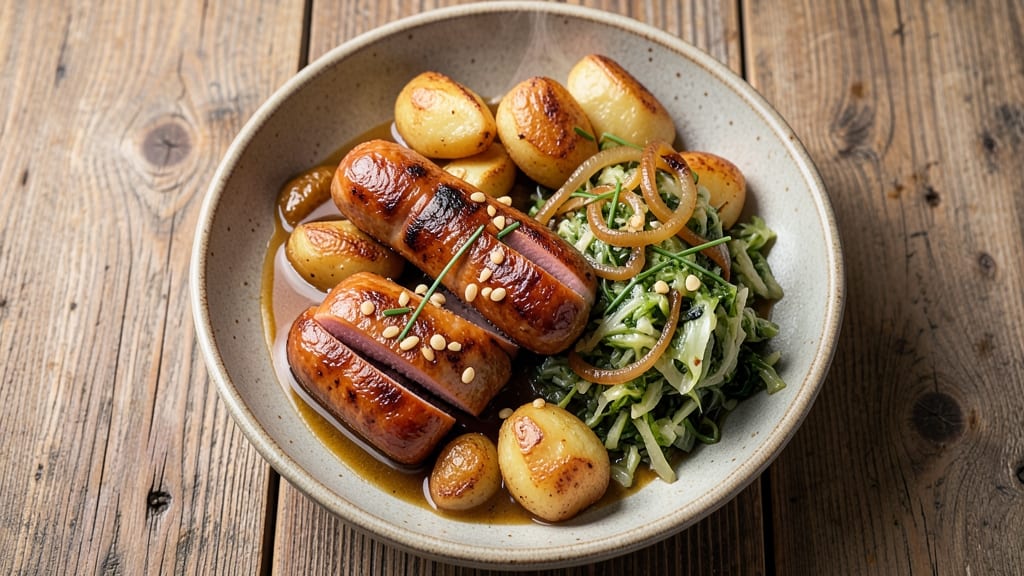
This bratwurst, potatoes, and sauerkraut recipe delivers the hearty, comforting flavors of a classic German feast in one pan—just like my Nonna used to make on Sunday afternoons. The key is balancing tender bratwurst, crispy potatoes, and tangy sauerkraut, all cooked together for maximum flavor with minimal cleanup.
I've perfected this method over years of testing, ensuring every bite delivers that satisfying mix of smoky sausage, creamy potatoes, and fermented tang.
The beauty of this recipe lies in its simplicity: one pan, one hour, and a meal that feels like a hug from your favorite German grandmother. You'll start by browning the bratwurst until caramelized, then add diced potatoes and sauerkraut to let the flavors meld together.
The result is a dish where each component shines—crispy potatoes soak up the juices from the bratwurst, while the sauerkraut adds a bright, tangy contrast that cuts through the richness. This is comfort food at its finest, built for feeding a crowd or enjoying a cozy family dinner.
By the time you're done, you'll have a restaurant-quality German feast that's ready to serve with a dollop of mustard and a cold beer. The bratwurst stays juicy, the potatoes develop a crispy edge, and the sauerkraut softens just enough to absorb all the savory flavors.
This isn't just a recipe—it's a taste of tradition, simplified for your home kitchen. Let's get cooking!
The best part? This dish improves with leftovers—better the next day as the flavors deepen and meld. Serve it with crusty bread to soak up every last bit of that delicious sauce, or pair it with a simple green salad for balance.
Whether you're hosting a gathering or just craving a taste of home, this one-pan wonder delivers authentic German flavors without the fuss. Here's everything you need to make it happen.
Ingredients for bratwurst potato sauerkraut
Pantry staples meet German tradition—just six ingredients transform into a hearty, one-pan feast.
| Ingredient | Amount | Notes |
|---|---|---|
| Bratwurst Sausages 🌭 | 1 ½ lb | Fresh or frozen, any variety |
| Russet Potatoes 🥔 | 3 lb | Cut into 1-inch chunks |
| Sauerkraut 🥬 | 2 cups | Drained but juicy, not watery |
| Yellow Onion 🧅 | 1 whole | Diced, medium size |
| Garlic Cloves 🧄 | 4 cloves | Minced, fresh preferred |
| Dijon Mustard 🍯 | 1 tbsp | For depth of flavor |
| Dry Thyme 🌿 | 1 tsp | Or 1 tbsp fresh thyme |
| Bay Leaves 🌿 | 2 whole | Removed before serving |
| Beer 🍺 | 1 cup | Lager or pilsner preferred |
| Butter 🧈 | 2 tbsp | Unsalted, for richness |
| Salt 🧂 | 1 ½ tsp | Kosher or sea salt |
| Black Pepper 🌶️ | ½ tsp | Freshly cracked |
| Olive Oil 🫒 | 1 tbsp | For initial browning |
The bratwurst makes this dish, so don't cut corners. Johnsonville or Oscar Mayer are reliable brands, but any good-quality bratwurst works—just make sure they're fresh, not dried out. If using frozen, thaw them overnight in the fridge (the good stuff, not the pre-cooked kind). The potatoes? Russets are ideal—their fluffy texture soaks up all the flavors. Cut them into even chunks so they cook at the same rate. For the sauerkraut, look for the kind with visible juice, not the dry, crumbly stuff. The juice is flavor gold. If you're feeling fancy, grab some German-style sauerkraut from the international aisle—it's got a deeper tang.
No beer? Chicken or vegetable broth works, though it'll lack that malty depth. Fresh thyme? Dried works at one-third the amount, but honestly, I always grab fresh if I'm making this—it's worth the extra minute. Running low on butter? Olive oil or bacon fat keeps things rich. The onions and garlic can be swapped for shallots if you're feeling fancy, but don't skip them—they're the flavor base. If your sauerkraut is too watery, drain it well and pat it dry with a paper towel. Pro tip: Taste the sauerkraut juice before adding it back—if it's too sour, mix in a teaspoon of sugar to balance it out.
This dish gets better the next day—leftovers reheat beautifully. Store it in the fridge for up to 4 days, covered to keep the potatoes from drying. For longer storage, freeze portions for 3 months. I like to reheat it in the oven at 375°F until everything is piping hot—15 minutes covered, then 5 minutes uncovered to crisp up the potatoes. Serve with crusty bread to soak up all that delicious sauce. And trust me, a cold beer on the side isn't just a suggestion—it's tradition.
Why You'll Love This Recipe
- One-Pan Magic: I swear by this when I’m too tired to scrub pots—just slice potatoes, brown the bratwurst, toss in the sauerkraut, and let it all simmer. The onions caramelize right in the pan while the garlic infuses everything, so you’re basically getting two sides and a main with zero extra work. (Yes, even on a Tuesday night.)
- Tangy-Creamy Balance: That first bite of crispy bratwurst against the sauerkraut’s sharp tang and the buttery potatoes? It’s the kind of combo that makes you pause mid-chew. Honestly, the garlic and onion build this depth that turns a simple weeknight dinner into something that feels special—no fancy ingredients, just layers of flavor.
- Tailgate-Ready Crowdpleaser: Between us, this is my go-to for game days or backyard hangouts because it’s hearty enough for a group but still easy to double. The potatoes soak up all the juices, the bratwurst stays juicy, and the sauerkraut adds that bright cut—no one will care if it’s "fancy," they’ll just ask for seconds. (My daughter picks out the sauerkraut, but still asks for seconds.)
- Budget-Friendly Leftovers: Russet potatoes and sauerkraut stretch this recipe into three meals without breaking the bank. The first night is the star, but the next day? Reheat it with a sprinkle of paprika and a side of mustard—suddenly, it’s lunch or dinner again. Plus, bratwurst freezes well, so I often make extra and save it for lazy mornings. (Not the prettiest, but the taste makes up for it.)
Step-by-step instructions for bratwurst, potatoes, and sauerkraut
This one-pan German feast comes together beautifully with minimal effort.
Prep the Potatoes and Sausages
Start by cutting the 3 lb russet potatoes into 1-inch chunks—uniform size ensures even cooking. Toss them in a large bowl with 1 tbsp olive oil, 1.5 tsp salt, and 0.5 tsp black pepper, coating them evenly. This helps develop flavor and prevents sticking later.
While the potatoes soak up the seasoning, remove the 1.5 lb bratwurst sausages from the refrigerator and let them sit at room temperature for 10 minutes. This ensures they cook evenly without steaming. If using frozen sausages, thaw them first in the refrigerator overnight.
Brown the Sausages and Build the Flavor Base
Heat a large Dutch oven or deep skillet over medium-high heat. Add the bratwurst sausages and cook until they develop a deep golden-brown crust on all sides, about 8-10 minutes. This step is crucial—it adds depth of flavor and prevents the sausages from becoming greasy later.
Once browned, remove the sausages and set them aside. In the same pot, add 2 tbsp butter and let it melt over medium heat. Toss in the seasoned potatoes, spreading them in an even layer. Cook for 5 minutes, stirring occasionally, until they begin to soften slightly.
Add Aromatics and Beer for Depth
Push the potatoes to one side of the pot and add 1 whole yellow onion, diced, and 4 cloves garlic cloves, minced. Cook for 3-4 minutes until the onion softens and the garlic becomes fragrant—this is where the foundation of your dish’s flavor develops.
Pour in 1 cup beer (I recommend a lager or pilsner for a crisp finish) and scrape up any browned bits from the bottom of the pot. These bits, called fond, are packed with flavor. Let the beer simmer for 3-4 minutes until it reduces by about half, intensifying the taste.
Combine and Simmer with Sauerkraut
Return the browned bratwurst sausages to the pot and nestle them among the potatoes. Stir in 2 cups sauerkraut, drained but still juicy, along with 1 tbsp Dijon mustard, 1 tsp dry thyme, and 2 whole bay leaves. The sauerkraut will add a tangy contrast that balances the richness of the sausages and potatoes.
Reduce the heat to low, cover the pot, and let it simmer for 25-30 minutes. You’ll know it’s ready when the potatoes are tender enough to pierce with a fork and the sausages reach an internal temperature of 160°F. The flavors will meld beautifully during this time, creating a hearty, comforting dish.
Finish and Serve
Remove the 2 whole bay leaves before serving—you don’t want them in your final dish. Taste and adjust the seasoning if needed, adding a pinch more salt or pepper if the sauerkraut’s tang needs balancing. The dish should be rich, savory, and slightly tangy with every bite.
Serve immediately, letting everyone scoop up the bratwurst, potatoes, and sauerkraut together. The one-pan method keeps everything warm and easy to share, making this a perfect meal for gatherings or a cozy family dinner. Enjoy the smoky, herby flavors of this classic German comfort food!
Pro Tips For Making Bratwurst Potato Sauerkraut
- CRACK THE POTATOES FIRST: I learned this the hard way—peeling and cutting potatoes while the bratwurst is cooking just adds stress. Boil them whole in salted water until they’re fork-tender (about 12-15 minutes), then drain and slice them while hot. They’ll crisp up beautifully in the pan later, and you won’t be juggling a million things at once.
- SWEAT THE ONIONS LOW: Sauerkraut’s tang needs a mellow base, not a burned onion. Cook your sliced yellow onion and minced garlic in a dry pan over medium-low heat for 8-10 minutes, stirring often. You want them soft and translucent, not golden—this keeps the flavors balanced and the dish from tasting bitter. (Yes, even if you’re impatient like me.)
- DON’T DROWN THE SAUERKRAUT: This isn’t a soup—drain most of the liquid from the sauerkraut before adding it to the pan. A quick press in a colander works, or let it sit in a sieve for 5 minutes. Too much moisture turns your dish into a sad, watery mess, and no one wants that when you’re this close to a perfect bratwurst dinner.
- SEAR THE BRATWURST IN BATCHES: Crowding the pan steams the sausages instead of browning them. Cook them in two rounds over medium-high heat, turning just once, for 3-4 minutes per side. The crust is non-negotiable—it’s what makes the flavor pop. (And yes, your kitchen will smell amazing while you wait.)
Perfect pairings for this recipe
Mustard Matters
You can't skip the mustard—it's the secret weapon in this dish. I always use Dijon mustard because it adds a subtle depth without overpowering. Spread a thin layer on each bratwurst before browning, or mix a spoonful into the final simmer for a tangy kick throughout.
For extra authenticity, serve with a small bowl of German-style sweet mustard on the side. My Nonna swore by it, and I've never looked back. 🌭
Beer Pairing
This dish practically begs for a cold beer—just like my Boston neighborhood markets always stock. I recommend a crisp German lager like Warsteiner or Stella Artois to complement the smoky bratwurst. The carbonation cuts through the richness, while the maltiness enhances the caramelized flavors.
For something lighter, a pilsner works beautifully. Pro tip: Chill your beer to 45-50°F for the perfect sip. 🍺
Bread Basket
No German meal is complete without crusty bread to soak up all those delicious juices. I grab a baguette or pretzel bread from my local market—anything with a good chew. Warm it in the oven for 5 minutes at 350°F before serving.
The bread absorbs the sauerkraut's tang and the bratwurst's juices like a dream. For extra flair, brush it with garlic butter before warming. 🥖
Green Contrast
To balance the heartiness, I always serve a simple green side. A shredded cabbage salad with apple slices and a light vinaigrette keeps things fresh. Or try steamed green beans with almonds—the crunch contrasts perfectly with the soft potatoes.
Even a handful of arugula with lemon juice works in a pinch. The acidity cuts through the richness and makes every bite feel balanced. 🌱
Sweet Finish
For something unexpected, add a touch of sweetness to the final dish. Stir in ½ cup caramelized apples or a spoonful of apple butter during the last 5 minutes of simmering. The natural sweetness balances the tangy sauerkraut beautifully.
I also like to sprinkle toasted walnuts on top for crunch and depth. It's a trick I picked up from a German restaurant in Boston that changed my life. 🍏
Leftovers Magic
This dish gets even better the next day—trust me, I've tested it. The flavors meld together like a symphony. Reheat in a skillet with a splash of beer or broth until everything is piping hot.
Serve with extra mustard and a side of pickled red cabbage for a full German experience. The contrast of textures and flavors makes leftovers feel like a whole new meal. ❄️
Nutrition facts
Frequently asked questions
Can I use pre-cooked bratwurst for this recipe?
Fresh bratwurst delivers the best flavor and texture, but you can use pre-cooked sausages in a pinch. Just brown them in the pot for 3-4 minutes per side to develop a crispy crust, then proceed with the recipe. The cooking time will be slightly shorter, so reduce the simmering time to 20 minutes to avoid overcooking the potatoes.
How do I make the potatoes extra crispy?
For crispy edges, parboil the potato chunks in salted water for 5 minutes before adding them to the pan. After browning the sausages, spread the potatoes in a single layer and cook uncovered for 10 minutes on medium-high heat, stirring occasionally, until golden brown. Finish with the sauce and sauerkraut as directed.
What if my sauerkraut is too sour?
Balance the tang by mixing 1 teaspoon sugar or ½ teaspoon honey directly into the sauerkraut before adding it to the pot. For extra depth, stir in 1 teaspoon caraway seeds (a classic German spice) while simmering. This works especially well if your sauerkraut has a strong vinegar-like sharpness.
Can I make this recipe in an Instant Pot?
Brown the bratwurst in a skillet first, then transfer everything to the Instant Pot. Add ½ cup beer or broth instead of full cup, seal, and cook on high pressure for 8 minutes. Quick-release the pressure, then uncover and let it sit for 5 minutes before serving. The potatoes will be softer, so adjust seasoning to taste.
How do I store leftovers?
Store in an airtight container in the fridge for up to 4 days. Reheat covered in a skillet over medium heat with a splash of beer or water until everything is piping hot. For best results, add 1 tablespoon butter while reheating to restore richness. Leftovers actually improve as flavors meld!