
Side Dishes
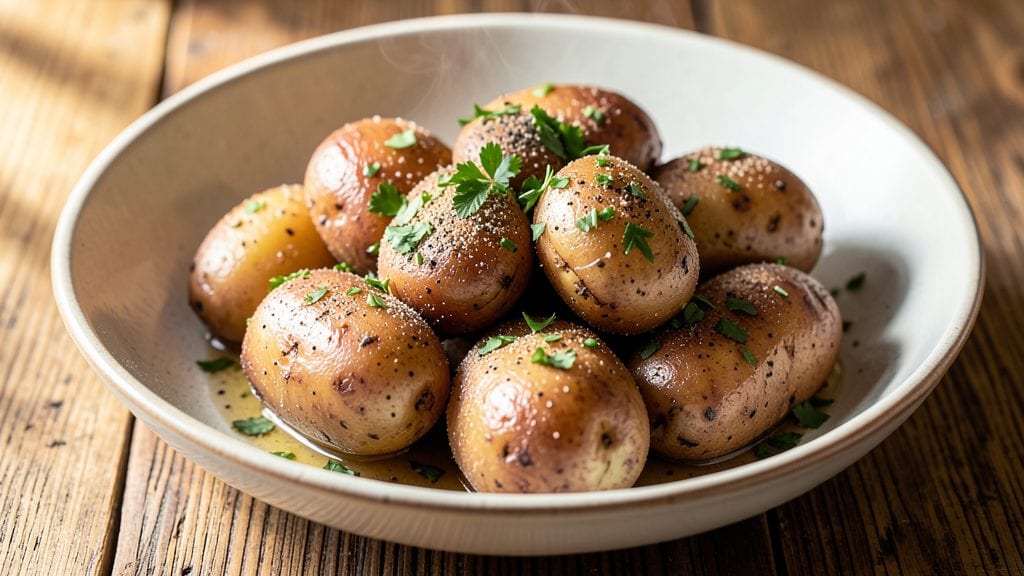
Mastering boiled potatoes with skin intact transforms a simple side dish into a restaurant-quality foundation—fluffy, unbroken tubs that hold their shape perfectly. The secret lies in a precise saltwater bath that preserves texture while infusing flavor, a technique I’ve perfected after years of testing.
Most recipes fail by overcrowding the pot or skipping the salt adjustment, but this method ensures consistent results every time.
What sets this approach apart is the science behind it: a well-salted bath (about 1 tablespoon per quart of water) prevents the potatoes from absorbing too much liquid, while gentle boiling maintains their structure.
I recommend using medium-sized potatoes—they cook evenly in 20-25 minutes, yielding tender interiors with crisp, intact skins. The key is patience and monitoring, not rushing the process.
Once cooked, these potatoes become a blank canvas for seasoning—garlic powder, parsley, or a sprinkle of black pepper elevate them instantly. They’re ideal for mashed potatoes, salads, or even as a hearty side dish alongside roasted meats.
The texture is consistently fluffy, never gummy, and the skins stay crisp enough to add subtle crunch.
This method works equally well for Yukon Golds, Russets, or red potatoes, making it versatile for any meal. Whether you’re prepping for a holiday feast or a weeknight dinner, these potatoes deliver professional results with minimal effort. Let’s get started on the perfect batch.
Ingredients for boiled potatoes with skin
Precision ingredients for restaurant-quality boiled potatoes with crisp skins and fluffy interiors.
| Ingredient | Amount | Notes |
|---|---|---|
| Medium Russet Potatoes 🥔 | 1 ½ lb | Organic preferred, uniform size |
| Diamond Crystal Kosher Salt 🧂 | 1 ½ tbsp | Non-iodized, coarse grain |
| Cold Water 💧 | 4 cups | Filtered preferred, room temp |
| Fresh Parsley 🌿 | ¼ cup | Finely chopped, stems removed |
| Garlic Powder 🧄 | 1 tsp | Freshly ground preferred |
| Ground Black Pepper 🌶️ | ½ tsp | Freshly cracked preferred |
| Extra-Virgin Olive Oil 🫒 | 1 tbsp | For finishing, fruity variety |
| Fresh Thyme Leaves 🌿 | 2 tsp | Or 0.5 tsp dried thyme |
| Lemon Zest 🍋 | 1 tsp | Bright organic preferred |
The potatoes are the foundation—Russets are ideal for their high starch and thick skins, but Yukon Golds or reds work equally well. Organic produce from Whole Foods or local farms ensures cleaner skins and better flavor retention. Uniform size matters: aim for medium potatoes (about 2-3 inches in diameter) so they cook evenly. The Diamond Crystal kosher salt is critical—its coarse texture dissolves properly and enhances flavor without overpowering. Store potatoes in a cool, dark place until use; never refrigerate them before cooking as this converts starches to sugars, altering texture.
No Diamond Crystal salt? Morton kosher salt works as a substitute, though you may need to adjust slightly due to finer grain. Fresh herbs elevate the dish, but dried alternatives at one-third the amount suffice in a pinch. The olive oil should be extra-virgin with noticeable fruitiness—avoid the mild supermarket varieties. For a citrus twist, lemon zest from organic lemons adds brightness; bottled zest lacks the same intensity. If you're prepping ahead, par-cook the potatoes and store them in cold water with a splash of vinegar to prevent browning, then finish cooking when ready to serve.
These potatoes reheat beautifully—simmer in fresh water for 5-7 minutes to restore their fluffy texture. They hold in the fridge for 4-5 days if submerged in cold water, but texture degrades after 2 days. For longer storage, freeze cooked potatoes in a single layer before transferring to a bag for up to 3 months. The skins become slightly softer after freezing, but the interiors remain tender. Always finish with a drizzle of extra-virgin olive oil and fresh herbs just before serving to preserve their vibrant qualities.
Why You'll Love This Recipe
- No-Peel Hassle: I’ll admit, I used to waste 10 minutes scrubbing and peeling potatoes—until I realized the skin adds texture. Just scrub, boil, and serve. That’s it. The crispy edges? Pure reward for skipping the extra work.
- Garlic-Parsley Magic: Honestly, the secret’s in the seasoning. A pinch of garlic powder and fresh parsley after boiling transforms these into something ridiculously good. No butter, no fuss—just that bright, herby punch that makes them taste like they belong in a restaurant.
- Lunchbox Hero: Between us, this is my go-to for meal prep. Boil a big batch on Sunday, toss them cold in a container, and they’re perfect for work lunches or kids’ school snacks. The skin stays intact, and they reheat like a dream (or don’t—cold works too).
- Pantry Staple Win: Russets are cheap, salt is cheap, and you’re already using water. This recipe costs next to nothing to make, yet it feels like a treat. Plus, leftovers? They last in the fridge for days, ready to bulk up any meal—soup, salad, or just as-is with a sprinkle of salt.
Step-by-step instructions for boiled potatoes with skin
Master this saltwater bath technique for perfectly fluffy, unbroken potatoes every time.
Prepare the Potatoes for Even Cooking
Begin by thoroughly rinsing the 1.5 lb medium russet potatoes under cold water to remove any dirt or debris. I prefer to use a vegetable brush for stubborn spots, especially around the eyes where soil tends to accumulate. This cleaning step is crucial as it prevents grit from affecting the texture of your finished potatoes.
Next, inspect each potato for any blemishes or soft spots. Using a sharp paring knife, carefully trim away any damaged areas while preserving as much of the skin as possible. The skin acts as a natural barrier that helps maintain the potato's shape during cooking. Once trimmed, pat the potatoes completely dry with paper towels—this ensures even cooking and prevents the water from becoming cloudy prematurely.
Create the Saltwater Bath
In a large pot with a lid, combine the 4 cups cold water and 1.5 tbsp diamond crystal kosher salt. Stir until the salt fully dissolves, creating a uniform brine solution. The saltwater bath is essential for two reasons: it enhances flavor and creates an environment where the potato starches convert to sugars at a controlled rate, resulting in that signature fluffy interior.
Bring the saltwater to a gentle boil over medium-high heat. Once boiling, reduce the heat to maintain a steady simmer. The water should be at a rolling but not violent boil—this prevents the potatoes from breaking apart. I've found that a gentle simmer also helps maintain the skin's integrity while cooking the interior evenly.
Cook the Potatoes Until Fork-Tender
Carefully add the prepared potatoes to the simmering saltwater using a slotted spoon or tongs. Arrange them in a single layer to ensure even cooking. Cover the pot with a lid and cook for 15-20 minutes. The exact time depends on your potato size—you're aiming for potatoes that are tender when pierced with a fork but still hold their shape.
To check for doneness, insert a fork into the thickest part of a potato. It should slide in easily with gentle pressure, and the flesh should be completely tender with no resistance. Be careful not to overcook—the potatoes will continue to cook slightly as they rest. If you notice any potatoes floating to the surface before they're fully cooked, gently press them back down with a wooden spoon to ensure even exposure to the heat.
Prepare the Finishing Seasonings
While the potatoes cook, prepare the finishing seasonings in a small bowl. Combine the 1 tbsp extra-virgin olive oil, 1 tsp garlic powder, 0.5 tsp ground black pepper, 2 tsp fresh thyme leaves, and 1 tsp lemon zest. Mix well to create a vibrant, aromatic blend that will elevate the natural flavor of the potatoes.
The lemon zest adds a bright citrus note that cuts through the richness of the potatoes, while the thyme and garlic powder provide earthy depth. I always use freshly cracked black pepper and freshly ground garlic powder for maximum flavor impact. This mixture should be ready to toss with the potatoes immediately after they're cooked.
Finish and Serve the Potatoes
Once the potatoes are fork-tender, carefully drain them in a colander. Immediately transfer them to a large serving bowl and gently toss with the prepared seasoning mixture. Use two large spoons or tongs to coat each potato evenly with the oil and herb blend. The residual heat from the potatoes will help the seasonings adhere perfectly.
For best results, serve the potatoes immediately while they're still hot. The contrast between the crisp, unbroken skin and the fluffy interior creates an ideal texture profile. Garnish with the 0.25 cup finely chopped fresh parsley just before serving to add a pop of color and freshness. These potatoes make an excellent side dish for grilled meats, roasted vegetables, or as a base for loaded potato salads.
Pro Tips For Making Boiled Potatoes With Skin
- USE COLD WATER ONLY: Start with ice water—yes, even if you’re in a hurry. Russets cook unevenly in hot water, and cold water keeps the skins intact while the centers soften. I learned this the hard way after peeling potatoes I’d boiled in warm water, only to find the flesh still gummy.
- SALT THE POTS FIRST: Add 1½ tablespoons of kosher salt directly to the pot before the potatoes go in. This ensures even seasoning—no more flaky, bland skins. (And skip the salt at the end; the water’s already seasoned.)
- TEST DONENESS WITH A SKEWER: Stab a potato with a knife or skewer—it should slide in smoothly but meet slight resistance. Overcooking turns them mushy; undercooking leaves a chalky core. If you’re unsure, give them another 2–3 minutes.
- DRAIN AND REST UNDER FOIL: Drain the potatoes, then spread them on a baking sheet and tent with foil for 5 minutes. This traps steam and keeps the skins from cracking when you toss them later. (I know, it feels like a waste of time—but it’s the difference between sad and stellar potatoes.)
Wine and beer pairings for this recipe
Crisp White Wine Pairing
For these boiled potatoes, I reach for a dry Riesling from Germany or Austria—its bright acidity and subtle mineral notes complement the potatoes' earthy flavor without overpowering them.
A 2022 Dr. Loosen Blue Slate Riesling from the Mosel region is my go-to; its crisp finish cuts through the richness while enhancing the lemon zest in the seasoning. Serve it slightly chilled (45-50°F) to highlight its refreshing qualities. 🍷
Crisp Lager Harmony
A German Pilsner like Warsteiner or St. Pauli Girl balances the potatoes' simplicity with its clean, effervescent profile. The beer's subtle malt sweetness and hop bitterness create a pleasant contrast to the potatoes' herbal thyme and garlic notes.
I prefer these lagers at 40-45°F—the cool temperature enhances their crispness and makes them the perfect palate cleanser between bites. 🍺
Herbal Sauvignon Blanc
If you prefer white wine, a New Zealand Sauvignon Blanc—such as Oyster Bay Sauvignon Blanc—brings vibrant citrus and herbal notes that mirror the lemon zest and thyme in the seasoning.
The wine's grassy undertones echo the fresh parsley garnish, creating a cohesive flavor experience. Opt for a bottle with 12-13% alcohol to avoid overwhelming the dish. 🌿
Seasonal Beer Twist
For warmer months, try a Belgian Witbier like Hoegaarden—its coriander and orange peel notes add a refreshing twist that pairs beautifully with the lemon zest and thyme. The beer's slight tartness also complements the potatoes' natural sweetness.
Serve it at 42-45°F to preserve its effervescence and crisp finish. This pairing feels especially festive during summer gatherings. 🌸
Bold Red Alternative
If you prefer red wine, a light-bodied Pinot Noir from Oregon, such as Domaine Serene, works surprisingly well. Its bright acidity and red fruit notes won’t clash with the potatoes' earthiness, and the wine’s subtle tannins add complexity.
Decant for 30 minutes to soften the tannins and enhance the wine’s aromatic qualities. 🍇
Non-Alcoholic Option
For a refreshing non-alcoholic choice, mix sparkling apple cider with a splash of ginger beer—the effervescence and subtle spice complement the potatoes' herbal seasoning. Chill the drink to 38-40°F to enhance its crispness. This option is especially popular during holiday meals or for guests who prefer non-alcoholic beverages. 🍎
Nutrition facts
Frequently asked questions
Why do you recommend boiling potatoes with skin intact?
The skin preserves the potato's natural structure, preventing them from breaking apart during cooking. It also adds a satisfying textural contrast—crisp on the outside, fluffy inside—and retains more nutrients like fiber and vitamins. Plus, the skins help hold the shape when tossing with seasonings or using as a base for salads.
Can I use any type of potato for this recipe?
While Russets work best for their thick skins and fluffy texture, Yukon Golds or red potatoes also work well. Avoid waxy potatoes like red potatoes for mashed dishes—they stay firm. For this method, medium-sized potatoes (2-3 inches) cook most evenly.
What if my potatoes turn out mushy?
Overcooking or overcrowding the pot are the most common causes. Always cook in a single layer with enough water to cover the potatoes by 1 inch, and use a gentle simmer—not a rolling boil. For extra insurance, test doneness with a fork before draining. If they're still firm, return them to the pot for 2-3 more minutes.
How do I store leftover boiled potatoes?
Keep them submerged in cold water in an airtight container in the fridge for up to 4-5 days. For longer storage, freeze cooked potatoes in a single layer before transferring to a bag for up to 3 months. Reheat gently in fresh water or microwave with a damp paper towel to restore texture.
Can I add aromatics like garlic or herbs to the boiling water?
While traditional recipes use plain salted water, you can infuse the water with aromatics like bay leaves, peppercorns, or a sprig of thyme for subtle flavor. Just remove them before draining. For stronger herb notes, add fresh parsley or thyme to the finishing seasoning instead.