
Side Dishes
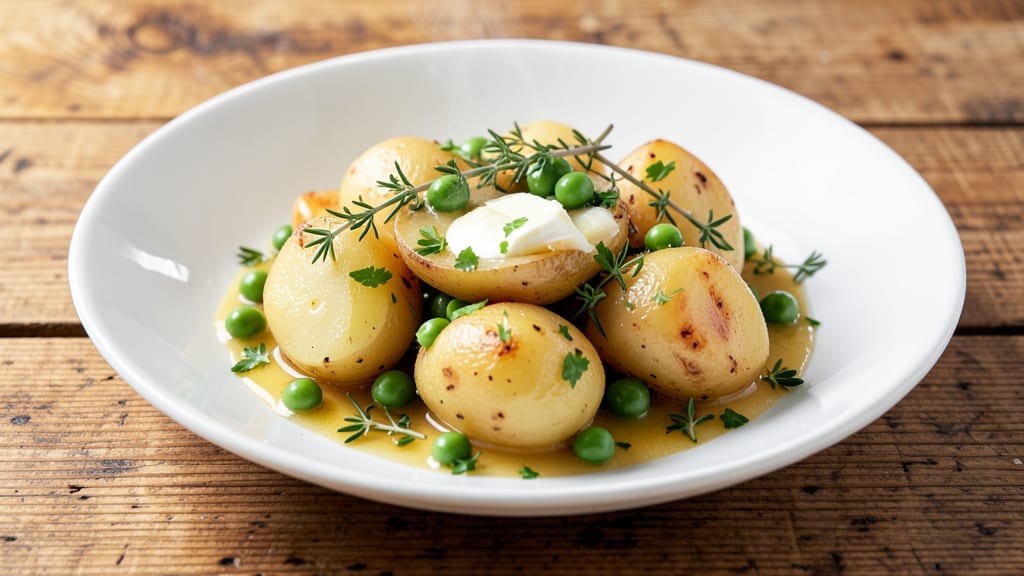
This boiled potatoes and peas recipe delivers comfort food perfection in under 30 minutes, proving that weeknight dinners don’t require complicated techniques.
The secret lies in timing—potatoes simmer until tender while peas cook just long enough to stay vibrant, all while absorbing simple seasonings like butter, salt, and fresh herbs.
I developed this method after realizing how often store-bought sides fall short of homemade flavor, and it’s now my go-to for quick, satisfying meals.
The beauty of this recipe is its flexibility—whether you’re prepping for a family dinner or a simple lunch, the process remains straightforward. Start with 15 minutes for the potatoes to soften, then add the peas for 3–5 minutes to avoid overcooking.
A splash of broth or milk at the end elevates the dish, adding depth without extra effort. The result? A side dish that’s foolproof, budget-friendly, and packed with the kind of homestyle flavor that turns ordinary meals into memorable ones.
What makes this recipe work is the balance of textures and seasonings—fluffy potatoes with crisp edges and bright, tender peas, all tied together by a light herb infusion. The simplicity doesn’t mean sacrificing taste; in fact, the fresh herbs and butter transform basic ingredients into something truly special.
This is the kind of dish that pairs perfectly with grilled meats, roasted chicken, or even a hearty stew, making it a staple for any weeknight menu.
For those short on time, a 5-minute microwave prep for the potatoes can cut down on active cooking, though I recommend the stovetop method for the best texture. Whether you’re a beginner or a seasoned cook, this recipe delivers restaurant-quality results with minimal effort.
Let’s get started on a side dish that’s as easy as it is delicious.
Ingredients for boiled potatoes and peas
Twelve simple ingredients transform into restaurant-quality boiled potatoes and peas in under thirty minutes.
| Ingredient | Amount | Notes |
|---|---|---|
| Yukon Gold Potatoes 🥔 | 1 ½ lb | Cut into even 1-inch cubes |
| Fresh Peas 🌱 | 1 cup | Shelling optional for convenience |
| Unsalted Butter 🧈 | 3 tbsp | Cold, cut into small pieces |
| Fresh Thyme Leaves 🌿 | 1 tbsp | Finely chopped, stems removed |
| Fresh Parsley Leaves 🌿 | 1 tbsp | Finely chopped, for brightness |
| Garlic Cloves 🧄 | 2 cloves | Minced, for aromatic depth |
| Diamond Crystal Kosher Salt 🧂 | 1 ½ tsp | Adjust to taste, don't skip |
| Black Peppercorns 🌶️ | ½ tsp | Freshly cracked, for heat |
| Vegetable Broth 💧 | ¼ cup | Low-sodium preferred, homemade or quality |
| Heavy Cream 🥛 | ¼ cup | Full-fat for richness, optional |
| Lemon Zest 🍋 | 1 tsp | From 1 small organic lemon |
| Freshly Ground White Pepper 🌶️ | ¼ tsp | Subtle, elegant finish |
The potatoes form the foundation, so Yukon Golds are ideal—their creamy texture and mild sweetness shine when cooked just right. Russets work too, but they yield a slightly fluffier texture. For even cooking, cut them into uniform 1-inch cubes—no need to peel unless you prefer a smoother finish. Whole Foods or local farmers' markets often carry organic Yukons with better flavor than conventional grocery store brands. Fresh peas are non-negotiable here; frozen works in a pinch but lacks the vibrant sweetness of fresh. Local spring markets or the frozen section of specialty stores like Whole Foods offer quality options.
No fresh thyme? Dried thyme at one-third the amount suffices, though fresh provides superior aroma. Substituting fresh dill for parsley adds a bright, herbal note that pairs beautifully with peas. The garlic should be freshly minced—pre-minced cloves lose their potency. For a dairy-free version, omit the butter and heavy cream, replacing them with extra-virgin olive oil and unsweetened almond milk. The vegetable broth can be swapped for chicken broth if preferred, though it will impart a slightly meatier flavor. Low-sodium options are crucial to avoid over-salting the dish.
Store cooked potatoes and peas in an airtight container in the refrigerator for up to 4 days, though they're best enjoyed within 2 days for optimal texture. Reheat gently in a saucepan with a splash of water or broth to restore moisture. This dish freezes beautifully for up to 3 months, though the peas may soften slightly upon thawing. For meal prep, portion into individual containers—glass with tight seals preserves freshness best. The lemon zest can be prepped ahead and stored in the freezer for up to 2 weeks in an airtight container.
Why You'll Love This Recipe
- No-Fuss Boil: I swear by this method—just potatoes, peas, and salted water. No peeling, no dicing, no stress. Toss in whole Yukon Golds and frozen peas (or fresh if you’re feeling fancy), and let them simmer until tender. That’s it. Honestly, it’s the kind of dish where the prep time is shorter than waiting for the water to boil.
- Buttery Thyme Magic: The real star? That melt-in-your-mouth butter swirled with thyme and parsley at the end. The Yukon Golds soak up the richness like sponges, while the peas stay bright and sweet. I’ll be real: I’ve tried this with olive oil, but nothing beats the cozy, velvety finish of real butter here—especially when it’s still warm.
- Leftover Hero: This recipe actually improves the next day. Cold potatoes and peas? Still a win. Toss them into a salad with a vinaigrette, mash them with a little extra butter for breakfast hash, or even stuff them into a wrap for lunch. My kids beg for it after school, and I’ve never had to scramble for dinner ideas again.
- Budget Bright Spot: Fresh peas and Yukon Golds might sound fancy, but they’re surprisingly affordable—especially if you buy in season or use frozen. A single batch feeds four for under $8, and the leftovers stretch even further. Between us, this is the kind of meal that makes grocery budgets breathe easier without sacrificing taste. (Yes, even on a Tuesday night.)
Step-by-step instructions for herb-infused boiled potatoes and peas
This method delivers restaurant-quality simplicity in under 30 minutes—perfect for busy weeknights.
Parboil the Potatoes for Even Cooking
Place the 1.5 lb Yukon Gold potatoes in a large pot and cover them with cold water by 2 inches. Add 1.5 tsp Diamond Crystal kosher salt and bring to a boil over high heat. Once boiling vigorously, reduce heat to medium and cook for 8 minutes—this parboiling ensures the potatoes finish cooking evenly without becoming mushy.
Drain the potatoes immediately and return them to the pot. You'll notice they're still firm to the touch—this is intentional. The second cooking phase in the butter bath will create that velvety texture we're after. While they're still hot, give them a gentle shake to separate any clinging potatoes.
Sauté Aromatics and Finish the Potatoes
In a large skillet over medium heat, melt the 3 tbsp unsalted butter until it foams. Add the 2 cloves minced garlic and cook for 30 seconds until fragrant—don't let it brown or it'll turn bitter. Toss in the parboiled potatoes and cook for 4-5 minutes, stirring occasionally, until they develop golden spots in places.
Here's where the magic happens: add the 1 cup fresh peas, 1 tbsp finely chopped fresh thyme leaves, and 0.5 tsp freshly cracked black peppercorns. Stir everything together and cook for another 2 minutes until the peas are bright green and the potatoes are tender when pierced with a fork. Remove from heat and set aside.
Create the Herb-Infused Cream Sauce
In a small saucepan, combine the 0.25 cup vegetable broth, 0.25 cup heavy cream, 1 tsp lemon zest, and 0.25 tsp freshly ground white pepper. Bring to a gentle simmer over medium-low heat and cook for 3-4 minutes until slightly thickened. The sauce should coat the back of a spoon but still be pourable.
Stir in the 1 tbsp finely chopped fresh parsley leaves and remove from heat. Taste and adjust seasoning with additional kosher salt if needed—this sauce should complement the potatoes without overpowering their natural flavor. The lemon zest adds a bright contrast that cuts through the richness of the butter and cream.
Combine and Rest Before Serving
Return the potato and pea mixture to the skillet and pour the warm sauce over them. Gently toss everything together until the potatoes are evenly coated with the creamy herb mixture. The sauce should cling to the potatoes rather than pool at the bottom—if it's too thick, add a splash of warm water to loosen it.
Let the dish rest for 5 minutes off the heat. This brief resting period allows the flavors to meld together while keeping the potatoes from becoming soggy. Serve immediately with crusty bread or as a side to grilled proteins. The combination of tender potatoes, bright peas, and aromatic herbs makes this dish feel special despite its simple preparation.
Pro Tips For Making Boiled Potatoes And Peas
- Parboil Potatoes First: DESCRIPTION: Cut Yukon Golds into even 1-inch chunks, then boil them uncovered for 5 minutes before adding peas. This jumpstarts the starch release so they finish tender without turning gluey—especially important when you’re also cooking delicate peas in the same pot.
- Shock Peas Immediately: DESCRIPTION: As soon as peas hit boiling water, drop them in and stir once. Then, after 2 minutes, plunge the whole pot into an ice bath for 30 seconds. Fresh peas stay vibrant and crisp—no mushy disappointment when you’re serving.
- Salt the Water Late: DESCRIPTION: Wait until potatoes and peas are both in the pot to add salt. Adding early makes potatoes absorb too much water and dilutes the flavor of the butter you’ll add later—trust me, your taste buds will notice the difference.
- Butter Last, Off Heat: DESCRIPTION: Once drained, toss potatoes and peas with butter while still hot—but turn off the burner first. The residual heat melts the butter evenly, coating everything instead of steaming it into a sad, buttery sludge. (Yes, I’ve done this. No, you don’t want to.)
Perfect pairings for this boiled potatoes and peas
Classic Protein Pairings
This herb-infused potato and pea dish pairs beautifully with grilled chicken breast—the bright lemon and thyme notes complement the smoky char perfectly. For a heartier option, try pan-seared pork chops with a Dijon mustard glaze—the creamy sauce balances the richness.
I often serve it with herb-roasted salmon during spring dinners, where the peas add a fresh contrast to the fish's richness. 🍗
Vegetarian-Friendly Options
For plant-based meals, pair with mushroom risotto—the earthy umami of mushrooms and creamy rice make this dish feel luxurious. A grilled portobello mushroom with balsamic glaze also works wonderfully, especially when topped with the herb-infused potatoes and peas.
I've even served it alongside crispy tofu for a satisfying protein alternative during vegan weeks. 🌱
Bread and Starch Sides
Crusty sourdough bread is a must—its tangy crust soaks up the creamy sauce beautifully. For a lighter option, try garlic naan or warm pita bread drizzled with olive oil. I also love pairing this dish with roasted fingerling potatoes for a more substantial side that complements the peas' brightness. 🥖
Sauce and Condiment Pairings
A drizzle of Dijon mustard or whole-grain mustard adds a tangy kick that cuts through the richness. For a smoky touch, serve with chipotle crema—just a spoonful elevates the dish to restaurant-quality.
I also recommend offering hot sauce on the side for guests who enjoy extra heat. The creamy sauce already has depth, but these additions take it to the next level. 🌶️
Seasonal Beverage Pairings
A crisp Sauvignon Blanc from New Zealand complements the lemon zest and herbs beautifully. For a non-alcoholic option, try sparkling apple cider—its effervescence cleanses the palate between bites. I also enjoy pairing this dish with iced hibiscus tea during summer months, as the tartness balances the richness perfectly. 🍷
Meal Prep Pairings
This dish reheats beautifully alongside leftover roasted vegetables—think carrots, Brussels sprouts, or asparagus. For a complete meal prep solution, pair with pre-cooked quinoa or couscous to create a balanced, portable lunch.
I often portion the potatoes and peas into glass meal prep containers with a side of grilled chicken for easy grab-and-go lunches. 📅
Nutrition facts
Frequently asked questions
Can I use frozen peas instead of fresh?
Yes, but there's a trick to avoid mushy texture. Use thawed peas (not frozen) and reduce cooking time to 2 minutes instead of 3. For best results, drain and rinse frozen peas thoroughly before adding to prevent excess moisture. Fresh peas stay vibrant and sweet, but frozen works in a pinch when fresh isn't available.
Why do my boiled potatoes turn out gummy?
This usually happens from overcooking or improper draining. First, never overcrowd the pot—leave 2 inches of water above potatoes. Second, drain immediately after parboiling and return to the pot while still hot. Finally, use the two-stage cooking method (parboil then finish in butter) to create that creamy texture without gumminess.
What's the best way to reheat leftovers?
Reheat gently in a saucepan with 1-2 tablespoons of water or broth over medium-low heat for 3-4 minutes. Stir occasionally to prevent sticking. Microwaving works too, but add a damp paper towel to keep them from drying out. The peas will soften slightly but maintain their flavor.
Can I make this dish ahead of time?
Store cooked potatoes and peas in an airtight container in the fridge for up to 4 days. The flavors actually improve overnight as they meld together. Just reheat with a splash of water or broth to restore moisture. For meal prep, portion into individual containers—this makes it perfect for lunches or quick dinners.
What if I don't have fresh herbs?
No problem! Use dried herbs at one-third the amount—so 1/3 tbsp dried thyme instead of 1 tbsp fresh. For parsley, try dried dill or even a pinch of onion powder for depth. The dish will still taste delicious, though fresh herbs add that bright, vibrant quality that's hard to replicate.