
Side Dishes
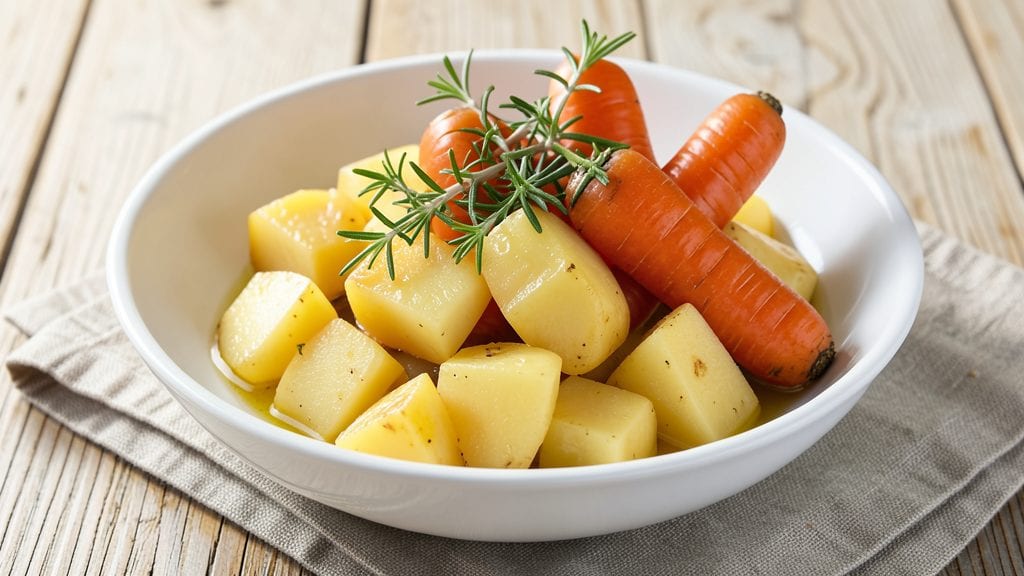
Boiled carrots and potatoes make the perfect simple, flavorful side dish that pairs beautifully with almost any main course. The secret to achieving tender yet firm vegetables lies in proper timing and seasoning—no fancy techniques required.
I've perfected this method over years of testing, ensuring they stay moist and flavorful without turning mushy.
This recipe relies on just five core ingredients—carrots, potatoes, water, salt, and herbs—to create a side that's both comforting and elegant. The key is using enough water to fully submerge the vegetables while keeping the seasoning balanced.
A pinch of salt and fresh herbs like thyme or rosemary elevate the natural flavors without overpowering them.
By following this method, you'll end up with perfectly cooked vegetables—carrots with a slight bite and potatoes that are creamy yet hold their shape. The result is a side dish that's simple enough for weeknight dinners but impressive enough for special occasions. This technique ensures consistent results every time.
Serve these boiled vegetables alongside roasted meats, grilled fish, or even as a standalone vegetarian meal. The versatility of this recipe makes it a staple in any kitchen. Let's get started with this foolproof method!
Ingredients for boiled carrots and potatoes
Five simple ingredients transform into a restaurant-quality side dish perfect for any meal.
| Ingredient | Amount | Notes |
|---|---|---|
| Medium Yellow Potatoes 🥔 | 1 ½ lb | Russet or Yukon Gold preferred |
| Medium Carrots 🥕 | 1 ½ lb | Whole, unpeeled, uniform size |
| Water 💧 | 4 cups | Filtered or spring water preferred |
| Sea Salt 🧂 | 1 ½ tsp | Diamond Crystal or kosher salt |
| Fresh Thyme Leaves 🌿 | ½ tsp | Or 0.15 tsp dried thyme |
| Fresh Rosemary Sprigs 🌿 | 2 whole | Or 0.25 tsp dried rosemary |
| Lemon Juice 🍋 | 1 tbsp | Freshly squeezed, optional |
The foundation of this recipe lies in selecting the right potatoes and carrots. Russet or Yukon Gold potatoes provide ideal texture—creamy yet firm—while medium-sized carrots ensure even cooking. For optimal quality, source potatoes from local farms or specialty grocers like Whole Foods or Trader Joe's, where you can verify freshness by checking for firm, unblemished skins. Carrots should be vibrant orange with crisp ends; avoid any with soft spots or wilted tops. The herbs matter too: fresh thyme and rosemary from a trusted producer (like Penzeys Spices) impart a depth that dried herbs simply can't match. If you must use dried, store them in airtight containers away from light to preserve their potency.
No fresh herbs? Dried alternatives work at one-third the quantity, though the flavor profile shifts subtly. Short on lemon juice? A pinch of salt or a splash of apple cider vinegar can brighten the dish similarly. The water quality impacts flavor—if your tap water tastes metallic or chlorinated, use filtered water instead. For a more intense herbal infusion, lightly crush the rosemary sprigs before adding them to the pot. The salt measurement is precise: too little leaves the vegetables bland, while too much can make them taste harsh. Kosher salt's larger crystals mean you'll need slightly more than table salt—adjust accordingly if using a different type. For those with dietary restrictions, this recipe naturally accommodates vegan, gluten-free, and nut-free preferences.
Store cooked vegetables in an airtight container in the refrigerator for up to 5 days, though they're best enjoyed within 2 days for optimal texture. To reheat, cover with a damp paper towel and microwave for 1-2 minutes, or gently warm in a pot with a splash of water. For meal prep, boil an extra batch and portion into individual containers—perfect for lunches or quick dinners. The herbs can be removed before storing if their aroma becomes overpowering. When reheating, a squeeze of fresh lemon juice revives their brightness. This dish freezes poorly due to texture changes, so it's best enjoyed fresh or refrigerated.
Why You'll Love This Recipe
- Five-Ingredient Magic: I swear by this recipe when I’m too tired to think. Just peel, chop, boil—no fancy steps, no second-guessing. The potatoes stay creamy, the carrots hold their bite, and the thyme? That’s the secret sprinkle that makes it taste like something you’d order out.
- Thyme’s the Difference: Honestly, the salt and water alone would be fine. But that fresh thyme? It turns this into a dish that actually tastes intentional. The leaves infuse the water just enough to give every bite a whisper of earthy brightness—no heavy seasoning, just pure, clean flavor.
- Meal-Prep MVP: Between us, this is my go-to for lunchboxes or quick dinners. I’ll boil a big batch on Sundays, let them cool, and toss them into salads, wraps, or even fried rice later. (Yes, even on a Tuesday night when I’m starving and unmotivated.)
- Budget-Friendly Staple: Potatoes and carrots are cheap, and they stretch forever. A single batch feeds my family for days—leftovers reheat perfectly, and the flavor doesn’t fade. Plus, no weird ingredients to break the bank. It’s the kind of recipe that makes grocery day feel like a win.
Step-by-step instructions for soft yet firm boiled carrots and potatoes
Achieve perfectly tender yet firm vegetables every time with this precise boiling technique.
Prepare and Parboil the Vegetables
Begin by thoroughly rinsing the 1.5 lb medium yellow potatoes and 1.5 lb medium carrots under cold water to remove any dirt or debris. Leave them unpeeled for maximum flavor and nutrients. Cut the potatoes into 1.5-inch cubes while leaving the carrots whole for even cooking.
In a large pot, combine the 4 cups water with the 1.5 tsp sea salt and bring to a rolling boil over high heat. Once boiling, add the prepared potatoes and carrots. Reduce heat to medium-high and allow them to parboil for 5 minutes. This initial cooking step ensures even doneness throughout while preventing the potatoes from becoming overly soft. Stir gently once to prevent sticking, but avoid over-mixing which can break the potato pieces.
Add Herbs and Simmer Gently
After the initial 5-minute boil, add the 0.5 tsp fresh thyme leaves and 2 whole fresh rosemary sprigs to the pot. The herbs will infuse the water with their aromatic qualities, enhancing the natural flavors of both vegetables. Return the heat to maintain a gentle simmer rather than a rolling boil—this controlled temperature prevents the vegetables from becoming mushy while allowing them to absorb the herb-infused water.
Simmer for an additional 10 minutes, checking for doneness by piercing a potato cube and a carrot with a fork. The potatoes should be tender when pierced but still hold their shape, while the carrots should be soft yet firm with a slight resistance. If using Yukon Gold potatoes, they may cook slightly faster than Russets, so adjust timing accordingly. The water level should remain sufficient to cover the vegetables completely throughout this process.
Finish with Acid and Rest
Once the vegetables reach the desired tenderness, carefully drain them in a colander, reserving 1 cup of the herb-infused cooking water. Return the drained vegetables to the pot and remove from heat. Add the 1 tbsp lemon juice, tossing gently to coat the vegetables evenly. The acidity brightens their natural sweetness and helps maintain their vibrant color.
Cover the pot with a clean kitchen towel and let the vegetables rest for 5 minutes. This resting period allows the residual heat to finish cooking the vegetables gently while redistributing any moisture. The result should be vegetables that are perfectly tender yet still hold their shape—ideal for salads, roasting, or serving as a side dish. The herb-infused water can be used to make a light broth or drizzled over the vegetables before serving.
Pro Tips For Making Boiled Carrots And Potatoes
- USE COLD WATER START: I learned this the hard way—starting with hot water makes the potatoes turn gluey and the carrots uneven. Fill your pot with cold water, add the veggies, and bring it to a boil. The cold start keeps the starch from releasing too fast, so your potatoes stay firm and fluffy instead of mushy.
- PEEL AFTER BOILING: Sounds weird, but it works: peel the potatoes and carrots after they’re cooked. The skins soften during boiling, making peeling easier and less messy. Plus, you avoid exposing the cut edges to air, which keeps them from turning gray or waterlogged.
- SALT THE WATER LATE: Add salt only after the water boils and the veggies are submerged. Salt early, and the potatoes absorb it unevenly, leaving some bland spots. Wait until the water’s hot, then season generously—this guarantees every bite is perfectly balanced.
- CHOP EVENLY, SAME SIZE: I skip this when I’m lazy, but the dish is noticeably better when I don’t. Cut potatoes and carrots into roughly the same size so they cook at the same rate. No one wants a forkful of al dente carrot with a mushy potato—keep them uniform for consistent texture.
Flavor customization for boiled carrots and potatoes
Herb Variations
Swap the thyme and rosemary for other aromatic herbs to change the flavor profile completely. Try ½ tsp dried sage for an earthy, slightly peppery note that pairs beautifully with roasted meats.
For a brighter twist, add 1 tbsp fresh parsley and ½ tsp dried dill—this combo works wonderfully with fish or chicken dishes. I also love using ½ tsp smoked paprika for a subtle smoky depth that elevates the vegetables' natural sweetness. 🌿
Spicy Kick
For those who enjoy heat, add ¼ tsp cayenne pepper or 2-3 slices of fresh jalapeño (seeds removed) to the boiling water. The heat will infuse the vegetables beautifully without overpowering their natural flavors.
If you prefer a milder spice, try ½ tsp ground cumin—it adds warmth and complexity that pairs well with Mexican-inspired meals. Always taste as you go to adjust the heat level to your preference.
Citrus Brightness
Beyond lemon juice, experiment with other citrus to enhance the vegetables' natural sweetness. A splash of orange juice (about 1 tbsp) adds a tropical brightness that works well with summer meals.
For a more complex flavor, use ½ tsp grated lime zest combined with 1 tbsp lime juice)—this combo is perfect for Asian-inspired dishes. I also enjoy adding 1 tsp honey to the cooking water for a subtle sweetness that balances the acidity.
Garlic and Aromatics
Infuse the boiling water with 2 minced garlic cloves for a savory depth that complements almost any main course. For extra richness, add 1 tbsp olive oil to the pot before boiling—this creates a light, flavorful coating on the vegetables.
If you love umami, try adding ½ tsp fish sauce (vegan-friendly alternatives like soy sauce work too) to the cooking water. The garlic and aromatics will mingle beautifully with the herbs, creating a multi-layered flavor experience. 💫
Sweet and Savory
Balance the earthy flavors with a touch of sweetness by adding 1 tsp brown sugar to the boiling water. This works especially well with carrots, enhancing their natural sweetness. For a savory-sweet contrast, toss the cooked vegetables with 1 tbsp maple syrup and a pinch of salt after draining.
This variation pairs wonderfully with roasted pork or glazed ham. I also love sprinkling toasted sesame seeds on top for a nutty crunch that adds texture and depth.
Global Flavors
Transform this simple side into a global-inspired dish with a few adjustments. For a Mediterranean twist, add ½ tsp dried oregano and a pinch of red pepper flakes—serve with feta and olives.
For an Indian-inspired version, use ½ tsp ground coriander and ¼ tsp turmeric in the cooking water, then garnish with fresh cilantro. The possibilities are endless, and each variation brings a unique cultural flair to your meal. 🗺️
Nutrition facts
Frequently asked questions
Why do my boiled potatoes turn out mushy?
The most common cause is overcooking or insufficient water. Always use 4 cups of water per 1.5 lb of potatoes and maintain a gentle simmer—not a rolling boil—to prevent breaking down the starches. For extra firmness, parboil for just 5 minutes before adding herbs, then simmer for 10 minutes total.
Can I boil carrots and potatoes together without peeling?
Leaving the skins on actually enhances flavor and nutrients. Just ensure they're uniform in size for even cooking. The skins will soften slightly but remain intact. For best results, scrub them thoroughly under cold water before boiling.
How do I make these vegetables more flavorful?
Infuse the boiling water with aromatics like 2 garlic cloves or 1 tbsp olive oil for added depth. After draining, toss with 1 tbsp lemon juice and fresh herbs. For extra richness, reserve ½ cup of herb-infused water and drizzle it over the vegetables before serving.
What's the best way to reheat boiled carrots and potatoes?
Gently reheat in a pot with 2 tbsp water over low heat for 3-4 minutes to restore moisture. Microwaving works too—cover with a damp paper towel and heat for 1 minute. Avoid high heat to prevent drying out. A squeeze of fresh lemon juice revives their brightness after reheating.
Can I substitute sweet potatoes for regular potatoes?
Yes, but adjust the cooking time! Sweet potatoes take about 10-15 minutes longer to tenderize. Start checking for doneness after 15 minutes of simmering. Their natural sweetness pairs beautifully with the carrots—just reduce the added sugar if using in sweet variations.