
Side Dishes
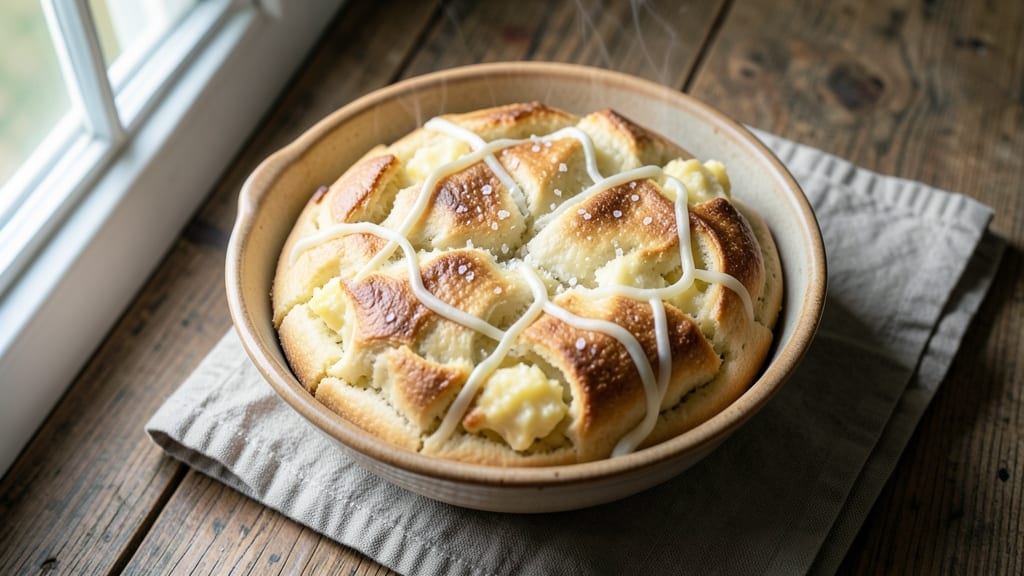
This Betty Crocker potato roll recipe delivers that signature flaky, vinegar-kissed crust—all thanks to a foolproof dough technique I’ve refined over years of baking golden, pillowy rolls.
The secret lies in precise yeast activation and a slow proofing process that develops those signature layers, ensuring every bite delivers that buttery, tender texture you crave.
This recipe delivers flaky layers without shortcuts, using a simple dough that rises just enough to create air pockets while maintaining structure. The vinegar in the dough not only adds a subtle tang but also enhances browning for that classic golden crust.
With just a few ingredients and about 2 hours of hands-off time, you’ll have rolls ready to serve alongside roasts or gravy.
What makes these potato rolls truly special is how the dough transforms during baking—soft, airy centers with crisp edges that hold up perfectly. The vinegar-kissed crust adds a touch of sophistication, making these rolls feel like a restaurant-quality side dish.
Whether you serve them warm with butter or as a base for gravy, they’ll disappear faster than you can say "second helping."
The key steps—yeast activation, proper proofing, and baking at the right temperature—ensure consistent results every time. Once you master this technique, you’ll never buy store-bought rolls again. Let’s get started on creating these flaky, golden potato rolls that taste just like Betty Crocker’s classic recipe.
Ingredients for betty crocker potato roll
These eleven ingredients create flaky, vinegar-kissed layers that rival Betty Crocker's classic recipe.
| Ingredient | Amount | Notes |
|---|---|---|
| Active Dry Yeast 🍞 | 2 ¼ tsp | Ensure yeast is fresh and not expired |
| Granulated Sugar 🍬 | 1 tbsp | For yeast activation |
| Warm Water 💧 | 1 cup | 110°F (43°C) ideal temperature |
| All-Purpose Flour 🌾 | 4 cups | King Arthur or similar high-protein |
| Instant Mashed Potatoes 🥔 | 1 cup | Betty Crocker preferred texture |
| White Vinegar 🍶 | 1 tbsp | For tangy crust development |
| Salt 🧂 | 1 tsp | Diamond Crystal preferred |
| Unsalted Butter 🧈 | ½ cup | Cold, cubed for layering |
| Large Eggs 🥚 | 1 whole | Room temperature preferred |
| Whole Milk 🥛 | ¼ cup | Full-fat for richness |
| Granulated Sugar 🍬 | 1 tbsp | Additional for dough enrichment |
The yeast and flour form the foundation of these rolls, so quality matters. King Arthur flour yields superior gluten development, while Betty Crocker instant potatoes provide that signature moisture without gums. For yeast, Saf-Instant is my go-to—it activates faster and doesn't require proofing in water. Store your flour in a cool, dark pantry to maintain freshness, and always check yeast expiration dates. The vinegar is crucial here—Heinz white vinegar provides consistent acidity for that signature tang, while generic brands may vary in flavor intensity. Purchase vinegar in glass bottles to preserve quality longer.
Substitutions are possible but may affect texture. Whole wheat flour can replace up to 10% of the all-purpose, though the rolls will be denser. For dairy-free options, unsweetened almond milk works but may yield slightly drier rolls. If you lack instant potatoes, homemade mashed potatoes (cooled completely) function similarly, though texture may vary. The butter is non-negotiable—European-style butter like Plugrá adds superior flavor, while margarine should be avoided entirely. For egg substitutes, flax eggs (1 tbsp ground flax + 3 tbsp water) maintain structure but may slightly alter texture. Always measure flour by weight for consistency—1 cup flour varies by 10-15g between brands.
Proper storage extends freshness. Freshly baked rolls maintain peak quality for 3 days at room temperature, wrapped in a clean kitchen towel. For longer storage, freeze dough balls (unbaked) on a parchment-lined tray before transferring to a ziplock bag—they keep for 3 months. To reheat, bake frozen rolls directly from frozen at 375°F (190°C) for 15-20 minutes. The vinegar in the dough means these rolls reheat beautifully, with minimal drying. For serving, brush warm rolls with melted butter and sprinkle with flaky sea salt—this simple step elevates the presentation dramatically.
Why You'll Love This Recipe
- No Yeast Fuss: I swear by the instant rise—just toss in the yeast, sugar, and warm water, let it sit for 5 minutes, and boom. No waiting around for dough to double; these rolls are ready when you are.
- Creamy-Crisp Magic: That instant mashed potato dough? It’s the secret weapon—soft inside, golden edges, and the buttery richness of the potatoes makes every bite feel like a hug. (Yes, even on a Tuesday night.)
- Potluck Hero: Between us, these rolls disappear at gatherings. They’re sturdy enough to travel, reheat beautifully, and no one questions why you brought "just rolls"—until they’re gone.
- Pantry Staple Power: Flour, sugar, yeast, and instant potatoes? You’re already halfway there. I’ve made these for under $2 a dozen, and they stretch to feed a crowd or save leftovers for sandwiches all week. Budget win.
Step-by-step instructions for Betty Crocker potato rolls
Here's the method for achieving those signature flaky layers and vinegar-kissed crusts every time.
Activate the Yeast and Prepare the Dough Base
In a small bowl, combine the 2.25 teaspoons active dry yeast, 1 tablespoon granulated sugar, and 1 cup warm water at 110°F (43°C). Let it sit for 5-10 minutes until the mixture becomes frothy and bubbly—this indicates the yeast is active and ready to work. If it doesn't bubble within 10 minutes, your yeast may be expired, and you'll need to start over.
In a large mixing bowl, whisk together the 4 cups all-purpose flour and 1 teaspoon salt. Create a well in the center and pour in the yeast mixture along with the 0.25 cup whole milk and 1 tablespoon granulated sugar. Using a wooden spoon or dough whisk, gently stir until the ingredients begin to come together, then switch to your hands to knead for 5 minutes until the dough is smooth and elastic. The dough should be slightly tacky but not sticky—if it's too wet, add 1 tablespoon flour at a time until it reaches the right consistency.
Incorporate the Mashed Potatoes and Vinegar
In a separate small bowl, mix the 1 cup instant mashed potatoes with the 1 tablespoon white vinegar until fully combined. This mixture is key to developing that signature tangy crust. Add the potato-vinegar mixture to your kneaded dough and continue kneading for another 3-4 minutes until fully incorporated. The vinegar will begin to react with the dough, creating a subtle tang that enhances the crust's flavor.
Shape the dough into a smooth ball and place it back in the mixing bowl. Cover the bowl with a damp kitchen towel and let it rise in a warm place for 1-1.5 hours, or until it has doubled in size. You'll know it's ready when the dough springs back slowly when poked with a finger—this indicates proper fermentation and air development, which are essential for those flaky layers.
Layer the Butter for Maximum Flakiness
Once the dough has risen, turn it out onto a lightly floured surface and roll it into a 12x16-inch rectangle. This is where the magic happens—we're creating layers that will give these rolls their signature flakiness. Cut the 0.5 cup unsalted butter into small cubes and arrange them evenly over the dough, leaving a 1-inch border around the edges. Fold the dough over the butter in thirds, like a letter, and gently press down to seal the edges.
Roll the dough out again into a 12x16-inch rectangle, then fold it into thirds once more. This process of rolling and folding, known as "laminating," creates multiple thin layers of butter between sheets of dough. Repeat this process 2 more times, allowing the dough to rest for 10 minutes between folds to prevent tearing. After the final fold, cover the dough and let it rest for 30 minutes in the refrigerator to firm up.
Shape and Proof the Rolls
Remove the dough from the refrigerator and roll it out one final time into a 12x16-inch rectangle. Cut the dough into 4 equal rectangles, then slice each rectangle into 4 strips to create 16 total rolls. Gently roll each strip into a log, starting from the wide end and rolling toward you to create a tapered shape. Place the rolls seam-side down on a parchment-lined baking sheet, spacing them 1 inch apart to allow for expansion.
Cover the rolls loosely with a clean kitchen towel and let them proof for 30-45 minutes until they've risen noticeably but haven't quite touched each other. The rolls should look slightly puffy and dome-shaped. Preheat your oven to 375°F (190°C) during the final 15 minutes of proofing to ensure even baking.
Bake to Golden Perfection
Bake the rolls for 15-18 minutes until they're deep golden brown and sound hollow when tapped on the bottom. The crust should be crisp and slightly crackly, with those beautiful flaky layers visible when sliced. For extra shine, brush the tops with a little milk or egg wash (beat the egg with 1 tablespoon water) right after removing them from the oven.
Let the rolls cool on a wire rack for 5 minutes before serving. The interior should be soft and pillowy, while the exterior remains crisp and slightly tangy from the vinegar. Serve warm with honey butter, jam, or your favorite savory spread for a truly satisfying experience.
Pro Tips For Making Betty Crocker Potato Roll
- Mix Yeast Last: Stir the yeast into the warm water after adding the sugar—it activates faster and smoother. I used to dump it all in at once, and half the time the dough would taste flat because the yeast needed a head start.
- Measure Flour Right: Use a kitchen scale for the flour if you can—this recipe’s texture hinges on precision. Spooning and scooping packs it too tightly, and your rolls end up dense instead of light. (Yes, even if you’re impatient like me.)
- Don’t Rush the Rise: Let the dough double in a warm spot before shaping—this isn’t the time to cut corners. I learned this the hard way when my rolls collapsed in the oven because they hadn’t proofed enough. (Your future self will thank you.)
- Chill Before Baking: Pop the shaped rolls in the fridge for 15–20 minutes after proofing—it tightens the gluten and keeps them from spreading into misshapen blobs. Sounds weird, but it works: the crust stays crisp, and the inside stays tender.
Creative variations of this recipe
Herbed Garlic Twist
Transform these classic potato rolls into savory bites by infusing the dough with 2 tablespoons chopped fresh rosemary and 3 minced garlic cloves during the final kneading stage. For extra depth, swap the white vinegar for 1 tablespoon apple cider vinegar—the fruity notes pair beautifully with the herbs.
Brush the baked rolls with garlic-infused olive oil (mix 2 tbsp olive oil with 1 minced garlic clove) after baking for a restaurant-worthy finish. 🌿
Sweet Cinnamon Rolls
Skip the vinegar entirely and replace it with 1 tablespoon ground cinnamon mixed into the dough after kneading. Add ½ cup brown sugar to the butter layers for a sweet, caramelized flavor.
Roll out the dough, brush with a 1:1 mixture of melted butter and milk, then sprinkle generously with ½ cup cinnamon-sugar blend before baking. Serve warm with vanilla ice cream or whipped cream for a dessert-worthy twist.
Cheesy Jalapeño Rolls
For a spicy kick, fold ½ cup shredded cheddar cheese and 2 finely diced jalapeños (seeds removed for mild heat) into the dough after the final proof. Roll the dough as directed, then bake until the cheese melts and forms bubbly pockets.
Top with 1 tablespoon sour cream and chopped green onions after baking for a Tex-Mex-inspired side dish that pairs perfectly with BBQ or tacos. 🌶️
Whole Wheat Adaptation
Replace 1 cup of all-purpose flour with whole wheat flour for a nuttier, heartier version. To maintain flakiness, reduce the milk to ¼ cup and add 1 extra tablespoon of cold butter to compensate for the denser flour.
Proof the dough for 10-15 minutes longer since whole wheat ferments more slowly. These rolls hold up well when reheated, making them ideal for meal prep—just bake from frozen at 375°F (190°C) for 20-25 minutes.
Savory Cheese & Chive Rolls
Create an elegant appetizer by adding ½ cup crumbled feta cheese and 2 tablespoons chopped fresh chives to the dough after laminating. Shape the rolls into 12 smaller ovals instead of logs for a more refined presentation.
Bake as directed, then drizzle with 1 tablespoon olive oil and a sprinkle of flaky sea salt while warm. These rolls shine as a starter for dinner parties or alongside soups and salads.
Nutrition facts
Frequently asked questions
Why does the recipe call for vinegar in the dough?
The white vinegar creates a subtle tang that enhances the crust's flavor while improving browning. It also helps develop gluten for a lighter texture. Without it, the rolls would lack that signature vinegar-kissed taste and might brown unevenly.
Can I make these potato rolls ahead of time?
Yes! Shape the dough into rolls and refrigerate them (unbaked) on a tray for up to 24 hours. Proof at room temperature for 30 minutes before baking. For longer storage, freeze unbaked rolls for 3 months—bake directly from frozen at 375°F (190°C) for 20-25 minutes.
What's the best way to reheat leftover potato rolls?
Wrap cooled rolls in a damp paper towel and warm in a 350°F (175°C) oven for 10-12 minutes until heated through. For crispiness, place them on a baking sheet. Microwaving works but makes them rubbery—avoid it if possible.
Can I use fresh mashed potatoes instead of instant?
You can substitute, but texture may differ slightly. Use 1 cup cooled, lump-free mashed potatoes (homemade or store-bought). For best results, chill them first to prevent excess moisture in the dough. The vinegar will still work, but instant potatoes yield more consistent results.
Why did my rolls turn out dense instead of flaky?
Dense rolls usually mean overproofing or insufficient butter layers. Ensure you fold the dough 3 times with proper resting between folds. Also, check your yeast—it should activate within 5-10 minutes. If your kitchen is cold, proof the dough in a warm oven (with light on) for better rise.