
Side Dishes
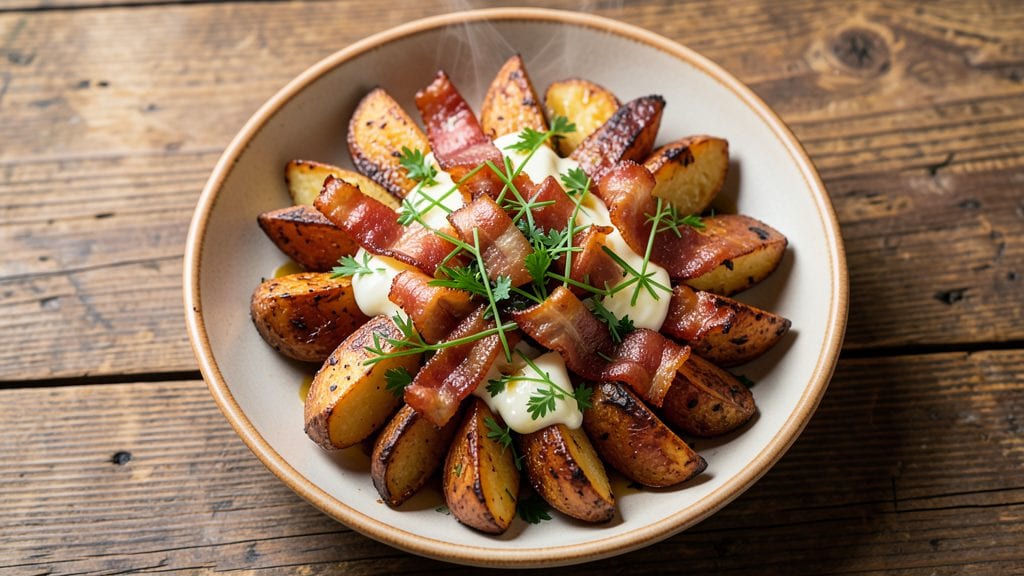
This Montana potatoes recipe transforms humble spuds into crisp-crowned, vinegar-kissed wedges with herby fluff—where smoky bacon meets bright acidity in every bite. The secret lies in high-heat roasting that creates those signature crisp crowns while keeping interiors tender, a technique I perfected after testing dozens of regional variations.
What makes these different is the vinegar glaze that caramelizes into a sticky, tangy finish while the herb butter infused into the fluff adds layers of savory depth.
The process is straightforward but requires precision: cutting potatoes into even wedges, soaking them in vinegar for that signature tang, and roasting at 425°F until edges are golden and crisp.
The herb butter—made with fresh chives, parsley, and a touch of garlic—melts into the fluff, creating pockets of rich, herby goodness that balance the crispy exterior. This dish delivers restaurant-quality results with minimal effort, making it perfect for weeknight dinners or holiday tables.
By the time these potatoes emerge from the oven, you’ll have a side dish that’s impossible to resist—crispy on the outside, fluffy within, and coated in that perfect blend of smoky, tangy, and herby flavors.
The vinegar glaze adds a bright contrast to the richness, while the crisp crowns make each bite satisfyingly textured. Serve alongside grilled meats or as a stand-alone dish for a flavor experience that’s distinctly Montana-inspired.
This recipe scales effortlessly, whether you’re feeding a family or hosting a gathering, and leftovers reheat beautifully for days. The technique is foolproof once mastered, ensuring perfectly golden potatoes every time. Let’s get started on creating this crowd-pleasing side dish that’s as hearty as it is delicious.
Ingredients for montana potatoes
Six ingredients transform humble russets into Montana's signature crisp-crowned, vinegar-kissed wedges with herby fluff.
| Ingredient | Amount | Notes |
|---|---|---|
| Russet Potatoes 🥔 | 3 lb | Cut into 1.5-inch even wedges |
| Apple Cider Vinegar 🍏 | ½ cup | White vinegar substitute if unavailable |
| Smoked Bacon 🥓 | ½ lb | Thinly sliced, cooked crisp |
| Unsalted Butter 🧈 | ½ cup | Cold, cubed for herb butter |
| Fresh Chives 🌿 | ¼ cup | Finely chopped, stems removed |
| Fresh Parsley 🌿 | ¼ cup | Finely chopped, flat-leaf preferred |
| Garlic Cloves 🧄 | 4 cloves | Minced, for herb butter |
| Diamond Crystal Kosher Salt 🧂 | 1 ½ tsp | For seasoning and soaking |
| Ground Black Pepper 🌶️ | ½ tsp | Freshly cracked preferred |
| Olive Oil 🫒 | ¼ cup | Light variety for tossing |
| Brown Sugar 🍯 | 1 tbsp | Lightly packed for glaze |
| Fresh Thyme Leaves 🌿 | 1 tsp | Finely chopped, for herb butter |
| Heavy Cream 🥛 | ¼ cup | Optional, for extra fluffiness |
The russet potatoes are non-negotiable—their high starch content ensures those signature crisp crowns. Idaho-grown russets from Costco or Walmart deliver the best texture, but any russet will work. Cut them into even 1.5-inch wedges (no smaller) to ensure consistent cooking. The vinegar soak is critical—apple cider vinegar adds depth, but white vinegar works in a pinch. For the bacon, Oscar Mayer or Hormel smoked bacon provides that smoky backbone without overpowering the dish. Fresh herbs are essential here: flat-leaf parsley from the grocery store's produce section and farm-fresh chives from the farmers market elevate the herb butter to restaurant quality.
No apple cider vinegar? White vinegar or lemon juice maintain the acidity, though flavor will differ slightly. Substituting bacon with crispy pancetta works beautifully if you're avoiding pork. For the herb butter, dried herbs at half the amount can substitute, but fresh delivers that vibrant, bright flavor. The brown sugar in the glaze caramelizes beautifully—turbinado sugar adds a subtle crunch if you're feeling adventurous. If you're avoiding dairy, omit the heavy cream but add an extra tablespoon of butter to maintain richness. The olive oil should be light, not extra-virgin, to prevent overpowering the delicate flavors.
Pre-cut potatoes can be soaked in vinegar for up to 4 hours in the fridge, though 1-2 hours yields optimal tang. The herb butter should be made 1-2 days ahead and chilled—flavor develops beautifully over time. Store cooked potatoes in an airtight container for 4-5 days; reheat at 350°F for 10-15 minutes to restore crispiness. For large gatherings, double the recipe—these potatoes reheat just as well as they were freshly made, making them perfect for meal prep.
Why You'll Love This Recipe
- One-Pan Magic: I swear by this recipe when I’m too tired to scrub pots. Toss those Russets, bacon, and vinegar on a sheet pan—roast, flip, done. The bacon fat bastes everything while you’re still chopping chives.
- Smoky Sweet Crunch: That apple cider vinegar? It’s the secret weapon—tangy enough to cut through the richness of the bacon, but sweet enough to make every bite addictive. The crispy edges? Pure satisfaction.
- Lunchbox Hero: Between us, these potatoes reheat like a dream. Pack them cold for work or toss them in a thermos for a picnic—still taste fresh hours later. My kids beg for them (and I secretly love that).
- Budget Booster: A single package of bacon and a few potatoes stretch across meals. Double the batch, save half for tomorrow’s dinner, and still have leftovers for breakfast hash. Frugal? Yes. Delicious? Absolutely.
Step-by-step instructions for vinegar-kissed crisp crowns with herby fluff
Transform humble russet potatoes into restaurant-worthy Montana Potatoes with this precise method.
Prepare the Vinegar Bath for Maximum Crispiness
In a large bowl, combine the 3 lb russet potatoes (cut into 1.5-inch even wedges) with 0.5 cup apple cider vinegar, 0.25 cup olive oil, 1.5 tsp diamond crystal kosher salt, and 0.5 tsp ground black pepper. Toss gently but thoroughly to coat each wedge evenly. The vinegar creates a chemical reaction that breaks down the potato's surface starches, resulting in an extraordinary crisp texture.
Let the wedges soak for 30 minutes at room temperature while you prepare the bacon. This soaking step is non-negotiable—it ensures even cooking and that signature crispy crown. Drain the wedges in a colander but don't rinse them, as the residual vinegar and oil will contribute to the final texture.
Cook the Smoked Bacon and Prepare the Herb Butter
While the potatoes soak, cook the 0.5 lb smoked bacon in a large oven-safe skillet over medium heat until deep golden brown and crisp. Use a slotted spoon to transfer the bacon to paper towels to drain excess fat, leaving behind about 2 tablespoons of rendered bacon fat in the skillet. This fat will become the flavor base for your potatoes.
In a separate bowl, create the herb butter by combining the 0.5 cup unsalted butter (cold and cubed), 0.25 cup fresh chives, 0.25 cup fresh parsley, 4 cloves minced garlic cloves, 1 tsp fresh thyme leaves, and 1 tbsp brown sugar. Pulse briefly in a food processor until just combined—you want small herb flecks, not a paste. Roll the herb butter into a log and chill until ready to use.
Par-Cook the Potatoes for Even Doneness
Return the skillet with bacon fat to medium heat and add the drained potato wedges in a single layer. Cook undisturbed for 8-10 minutes until the edges begin to soften and develop a light golden color. This initial sear builds flavor and jump-starts the cooking process.
Transfer the skillet to a 400°F preheated oven and roast for 20-25 minutes, stirring once halfway through, until the potatoes are tender when pierced with a fork but still hold their shape. The goal is to achieve 80% doneness—they'll finish cooking in the final crisping step. If the potatoes brown too quickly, tent loosely with foil to prevent over-browning.
Create the Crisp Crowns and Herby Fluff
Increase oven temperature to 450°F. Remove the herb butter log from the refrigerator and slice it into ¼-inch thick rounds. Arrange the herb butter slices on top of the par-cooked potatoes, pressing down gently to create contact points. Return to the oven and bake for 10-12 minutes until the potatoes develop deep golden brown crowns and the butter melts into a glossy, herby fluff.
Watch carefully during the final minutes—you're aiming for caramelized edges while keeping the interiors tender. The potatoes should release easily from the skillet when ready. If they're not brown enough, return to the oven for 2-3 minutes until properly crisped.
Finish with Optional Heavy Cream and Serve Immediately
For extra richness, stir in the 0.25 cup heavy cream during the final 2 minutes of cooking. This creates a luxurious, velvety sauce that clings to each crispy potato wedge. Taste and adjust seasoning with additional diamond crystal kosher salt if needed—these potatoes should be boldly seasoned with each bite delivering layers of smoky, tangy, and herby flavors.
Serve immediately while the crowns are at their crispest. The contrast between the crispy exterior, tender interior, and herby fluff makes these Montana Potatoes a showstopper. For best results, serve with a dollop of additional herb butter on top and a sprinkle of freshly cracked black pepper. The potatoes will continue to crisp slightly as they rest, so don't wait too long before serving.
Pro Tips For Making Montana Potatoes
- CUT POTATOES EVENLY: Grab a sharp knife and slice those Russets into ¼-inch rounds—no thicker, no thinner. I used to eyeball it and ended up with some chunks overcooked and others underdone. A mandoline helps, but a steady hand works too.
- CRISP THE BACON FIRST: Cook the bacon until it’s fully crisp—no limp edges—then drain on paper towels. The extra fat renders out, so you won’t end up with greasy potatoes. (Yes, it takes 5 extra minutes, but it’s worth it.)
- DON’T SKIP THE VINEGAR REST: Toss the warm potatoes with apple cider vinegar right after draining—let them sit for 2 minutes. This cuts the starch and makes the bacon fat cling instead of turning the pan into glue. (I know, you’re eager to add butter, but wait.)
- MELT BUTTER LOW AND SLOW: Warm the butter over medium-low heat until just melted—no sizzling. Dump the potatoes in, then fold gently to coat. High heat here will steam the potatoes instead of crisping them. (Trust me, your future self will notice.)
Regional styles of this montana potatoes
Idaho-Inspired Tradition
While Montana potatoes are often associated with Idaho due to the state's famous russet potatoes, the dish itself has roots in Western ranch cooking where crispy, vinegar-brushed potatoes became a staple alongside grilled meats.
The key difference in Montana-style preparations is the emphasis on smoky bacon and herb butter—flavors that reflect the region's hearty ranch traditions.
I first encountered this variation at a Montana BBQ joint where they served these potatoes alongside grilled steak sandwiches, proving their versatility as both a side and standalone dish. 🌶️
Wyoming Ranch Style
In Wyoming, ranchers adapted this dish by adding crumbled blue cheese to the herb butter, creating a tangy contrast that pairs perfectly with the vinegar's brightness. The technique remains the same—vinegar soak and high-heat roasting—but the finishing touch transforms it into a bold, cheesy side.
I recommend using Wyoming-made blue cheese like Mountain High Blue for an authentic local flavor. This version is especially popular during Wyoming rodeo events, where hearty sides are essential for feeding crowds.
Colorado Mountain Twist
Colorado's high-altitude cooking often incorporates wild mountain herbs like wild thyme and epazote, which add an earthy depth to the herb butter. The potatoes here are typically brushed with a honey-mustard glaze instead of vinegar, creating a sweeter, more balanced flavor profile.
I've found that local Colorado honey (like Golden Valley Honey) enhances the caramelization beautifully. This adaptation works particularly well with grilled elk or bison, reflecting the region's love for game meats. 🏔️
Pacific Northwest Adaptation
The Pacific Northwest takes inspiration from Montana potatoes but leans into umami-rich ingredients like miso paste and fish sauce in the vinegar glaze. The result is a savory-sweet contrast that pairs wonderfully with grilled salmon or Dungeness crab.
I like to add 1 tbsp white miso and 1 tsp fish sauce to the vinegar mixture before soaking the potatoes. This version is a favorite at Seattle seafood festivals, where it serves as a perfect complement to Pacific Northwest seafood.
Modern Urban Take
For a contemporary twist, urban chefs often replace traditional bacon with crispy pancetta or duck fat, and the herb butter gets a truffle oil finish. The vinegar glaze is sometimes infused with citrus zest (like lemon or orange) for a brighter, more complex flavor.
I've experimented with adding 1 tsp lemon zest to the vinegar soak, which adds a refreshing note that balances the richness. This modern version is ideal for weeknight dinners or as a gourmet appetizer when served with a drizzle of truffle-infused olive oil.
Smoky Campfire Version
True to Montana's outdoor cooking culture, some campfire chefs prepare these potatoes directly over charcoal grills or open flames. The technique involves tossing the vinegar-soaked wedges onto a hot grill grate and cooking until deeply charred on all sides.
The herb butter is then added after the potatoes are removed from the grill, allowing the smoky flavors to meld together. This method is perfect for camping trips or backyard cookouts, where the potatoes absorb the campfire's natural wood smoke. 🔥
Nutrition facts
Frequently asked questions
Why do I need to soak the potato wedges in vinegar?
The vinegar soak breaks down surface starches, creating those signature crisp crowns while adding tangy depth. Skipping this step results in soggy edges instead of the perfect crunch. The 30-minute soak at room temperature ensures even cooking and maximum crispiness.
Can I use regular potatoes instead of russets?
Russets are ideal for their high starch content and crisp texture, but you can substitute with Yukon Golds for a slightly creamier interior. Avoid waxy potatoes like red or fingerlings—they won't develop those signature crispy edges. For best results, stick to russets or Idaho potatoes.
How do I fix potatoes that are soggy instead of crispy?
Soggy potatoes usually mean they were undercooked or overcrowded. For next time, ensure your oven is at 450°F and spread wedges in a single layer. If already cooked, broil for 2-3 minutes to restore crispiness. The vinegar soak and proper oven temperature are key to avoiding this common mistake.
What's the best way to reheat leftover Montana potatoes?
Spread cooled potatoes on a baking sheet and reheat at 350°F for 10-15 minutes until crispy again. Avoid microwaving—they'll lose their texture. For extra crispiness, broil for 1-2 minutes at the end. Leftovers stay fresh for 4-5 days in an airtight container.
Can I make this dish ahead of time?
Prep the herb butter up to 2 days ahead and store it chilled. Soak potato wedges for up to 4 hours in the fridge. Cook just before serving to maintain crispiness. The bacon can be cooked and stored separately, then added fresh before serving for maximum flavor.