
Side Dishes
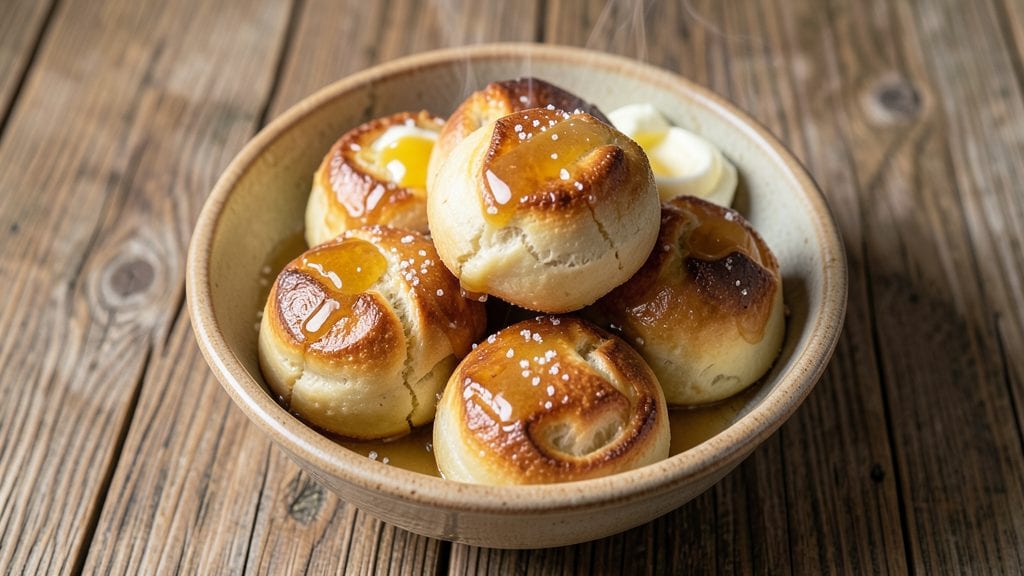
Martin's potato rolls recipe delivers the perfect balance of flaky, golden layers and a vinegar-kissed crunch that transforms ordinary dinner rolls into something extraordinary.
I first discovered this technique while searching for a side dish that could stand up to hearty mains—what I found was a game-changer for family gatherings and holiday meals alike. The secret lies in the vinegar wash, which creates that signature crispness while the layers remain tender inside.
This recipe requires just a handful of simple ingredients but delivers restaurant-quality results with minimal effort. You'll need russet potatoes (their starch content is key for flakiness), a touch of vinegar for that signature crunch, and a few pantry staples to bring everything together.
The dough comes together quickly, and the baking process ensures those signature flaky layers without requiring advanced skills.
What you'll end up with are rolls that are crisp on the outside, tender on the inside, and perfectly golden with that vinegar-kissed crunch that makes them impossible to resist.
Each bite delivers the perfect balance of textures, making these rolls a hit at any table. They pair beautifully with soups, stews, or even as a side for grilled meats.
The best part? These rolls reheat beautifully, so you can make a batch ahead of time and keep them warm in the oven. Whether you're hosting a dinner party or just looking to elevate your weeknight meals, this recipe is your new go-to for potato rolls that impress every time.
Let's get started on creating these delicious, flaky layers.
Ingredients for martin's potato rolls
These simple ingredients transform into golden, vinegar-kissed potato rolls with restaurant-quality flakiness.
| Ingredient | Amount | Notes |
|---|---|---|
| Russet Potatoes 🥔 | 2 ½ lb | Medium-sized, peeled and sliced thin |
| Unsalted Butter 🧈 | ½ cup | Cold, cubed for flakiness |
| White Vinegar 💧 | ¼ cup | For signature crunch |
| All-Purpose Flour 🌾 | 2 cups | Plus 1 tbsp for dusting |
| Granulated Sugar 🍚 | 1 tbsp | Enhances browning |
| Salt 🧂 | 1 tsp | Kosher or sea salt |
| Active Dry Yeast 🍞 | ¼ oz | Or 1 packet (2.25 tsp) |
| Warm Water 💧 | ½ cup | 110°F for yeast activation |
| Large Egg 🥚 | 1 whole | Room temperature |
| Milk 🥛 | ¼ cup | Whole for tenderness |
| Garlic Powder 🧄 | ½ tsp | Optional for extra flavor |
| Vegetable Oil 🫒 | 1 tbsp | For greasing pan |
Russet potatoes are non-negotiable here—their high starch content is what creates those signature flaky layers. Look for firm, unblemished potatoes with smooth skin at Whole Foods or your local grocery store. I always buy organic when possible, but conventional works too. The key is slicing them paper-thin—use a mandoline if you're feeling fancy, or carefully hand-slice with a sharp knife. Costco often has great deals on russets in bulk, which is perfect for making a big batch. If you can't find russets, Yukon Golds in a pinch, but they won't be quite as flaky.
No vinegar on hand? Lemon juice works in a bind, though it won't give that exact tangy crunch. The butter needs to be cold and cubed—don't melt it first, or you'll lose that flaky magic. Short on flour? Add 1 tbsp cornstarch to the dough for extra tenderness. The yeast packet is crucial—check the expiration date and make sure the water's warm (110°F) but not hot. If your dough feels too sticky, add a little more flour, but don't overdo it or the rolls will get tough. For extra flavor, add a pinch of onion powder to the dough along with the garlic powder.
The dough keeps beautifully in the fridge for up to 24 hours—let it come to room temperature before rolling. For the best results, bake these fresh, but you can reheat them in a 350°F oven for 10 minutes to restore that crispy texture. They freeze well too—wrap individually in plastic and freeze for up to 3 months. When ready to serve, thaw at room temperature and warm in the oven. These rolls are perfect for meal prep—make a big batch on Sunday and enjoy all week!
Why You'll Love This Recipe
- Five-Ingredient Magic: I swear by this—just potatoes, butter, vinegar, flour, and sugar. That’s it. No fancy pantry trips, no last-minute store runs. The vinegar’s tang cuts through the richness of the butter, and the sugar? It’s the secret that makes them golden and just sweet enough without tasting like dessert.
- Crowd-Pleaser Crunch: Between us, these rolls disappear at gatherings. The outside gets this perfect crackly crust from the vinegar bath, while the inside stays soft—like a hug in bread form. Even my picky nephew asks for seconds, and that’s saying something.
- Weeknight Workhorse: I make a double batch on Sundays and freeze half. Toss them straight from frozen into the oven for breakfast or dinner—no thawing, no fuss. They’re my go-to for lazy mornings or when I need to feed a houseful without slaving away.
- Budget Breakthrough: Russets are cheap, butter stretches far, and flour lasts forever. For under $5, I get enough dough to feed four people with rolls that taste like they cost twice as much. That’s real money saved, especially when you’re feeding a family.
Instructions for martin's potato rolls recipe: flaky layers with vinegar-kissed crunch
Here's how to create those legendary flaky layers and vinegar-kissed crunch that make these rolls unforgettable.
Prepare the Potato Dough
Boil the 2.5 lb Russet Potatoes in salted water for 15 minutes until fork-tender. Drain immediately and return them to the pot. Let them steam-dry for 5 minutes with the lid off—this removes excess moisture that would make your dough gummy.
While the potatoes cool slightly, mash them thoroughly with the 0.5 cup Unsalted Butter and 0.25 cup White Vinegar. The vinegar is key—it creates that signature tangy crunch when baked. Let the mixture cool completely before proceeding. I like to spread it on a wire rack to speed up cooling and prevent condensation from forming.
Activate the Yeast and Mix the Dough
In a small bowl, whisk together the 0.5 cup Warm Water, 0.25 oz Active Dry Yeast, 1 tbsp Granulated Sugar, and 0.5 tsp Garlic Powder until dissolved. Let it sit for 5 minutes until foamy—this confirms your yeast is active. If it doesn't foam, start over with fresh yeast.
In a large mixing bowl, combine the cooled potato mixture with the yeast mixture, 2 cups All-Purpose Flour, 1 tsp Salt, 1 whole Large Egg, and 0.25 cup Milk. Mix with a wooden spoon until just combined—you want to avoid overworking the dough, which can make the rolls tough. The dough should be soft but manageable, not sticky.
Knead and Let the Dough Rise
Turn the dough onto a lightly floured surface and knead gently for 5 minutes until smooth. You're not looking for elasticity here—just enough to develop the gluten slightly. Shape the dough into a rectangle about 12x8 inches and fold it like a letter, sealing the edges tightly.
Transfer the folded dough to a greased bowl (use the 1 tbsp Vegetable Oil to coat it well), cover with a damp towel, and let it rise in a warm place for 1 hour or until doubled in size. The vinegar in the dough might make it smell strong, but don't worry—it'll bake away and leave behind that amazing crunch.
Roll and Cut the Layers
Preheat your oven to 375°F and line a baking sheet with parchment paper. On a floured surface, roll the risen dough into a 12x18-inch rectangle about ⅛-inch thick. Use a sharp knife or pizza cutter to cut the dough into 12 equal rectangles—this will give you those classic square rolls.
Stack the cut rectangles with a 1-inch gap between each layer on the prepared baking sheet. Brush the tops with a little melted butter (save about 2 tablespoons from the original 0.5 cup Unsalted Butter) for extra browning. The gaps allow the rolls to puff up beautifully while still maintaining that flaky texture.
Bake to Golden Perfection
Bake the rolls for 25-30 minutes until they're golden brown and sound hollow when tapped on the bottom. The vinegar will create steam during baking, which separates the layers and gives that signature crunch. If the tops brown too quickly, tent them loosely with foil for the last 10 minutes to prevent over-browning.
Let the rolls cool on a wire rack for 10 minutes before serving. They'll be warm, flaky, and packed with that vinegar-kissed crunch that makes these rolls legendary. Serve them fresh with your favorite meal—each bite delivers that perfect combination of tender potato, crispy layers, and tangy flavor.
Pro Tips For Making Martin'S Potato Rolls
- Boil Potatoes Until Fork-Tender: Russets take longer than you’d think—aim for a knife sliding in like butter, not just soft spots. I learned this the hard way when my first batch fell apart mid-roll. Test one potato early; if it’s not falling apart, it’s not ready.
- Soak Cut Potatoes in Vinegar: Toss the boiled potato slices into ice water with 1/4 cup white vinegar for 10 minutes. This stops them from turning gray and keeps the texture tight when you roll them. (Yes, even if you’re impatient like me.)
- Chill Dough Before Rolling: Let the potato-flour-butter mix rest in the fridge for 20 minutes after mixing. Cold dough rolls cleaner and holds its shape—no more sad, flattened blobs. I skip this sometimes, and the rolls still work, but they’re noticeably better when I don’t.
- Brush Rolls with Melted Butter: After shaping, brush the tops with a thin layer of melted butter mixed with a pinch of sugar. The vinegar tang in the dough makes this sweet-buttery combo irresistible. (Your future self will thank you.)
Creative variations of this dish
Herb-Infused Twist
Swap the plain garlic powder for a fresh herb blend—try 1 tbsp chopped fresh rosemary and 1 tbsp chopped fresh thyme mixed into the dough. The aromatic herbs elevate the vinegar-kissed crunch with earthy depth.
I like to finely chop the herbs and fold them into the potato mixture before adding the yeast. 🌿
Cheesy Potato Roll Variations
Add 1 cup shredded sharp cheddar or Monterey Jack to the dough for a cheesy twist. Sprinkle the cheese evenly over the rolled-out rectangle before cutting into squares.
The cheese melts during baking, creating gooey pockets that pair perfectly with the crispy layers. Use Kraft Natural Shredded Cheese for consistent melt.
Sweet Potato Swap
Replace russet potatoes with 2.5 lb sweet potatoes for a naturally sweet variation. Peel and slice them ⅛-inch thick after boiling for 12 minutes (they take longer to soften).
The sweetness balances the vinegar beautifully, creating a dessert-like roll that works as a side or even a breakfast treat with butter and honey.
Gluten-Free Adaptation
Use a 1:1 gluten-free flour blend like Bob's Red Mill or King Arthur's to make these rolls allergy-friendly. Replace the 2 cups all-purpose flour with 2 cups gluten-free flour plus 1 tbsp xanthan gum to improve texture.
The vinegar still creates the signature crunch, though the layers may be slightly less crisp. Let the dough rest 10 minutes after mixing to hydrate the flour.
Mini Potato Roll Bites
Cut the dough into 1-inch squares instead of rectangles for bite-sized appetizers. Stack them in a greased mini muffin tin with ½-inch gaps between layers. Bake at 375°F for 15-18 minutes until golden. These are perfect for game day or cocktail parties—serve with whipped cream cheese for dipping. 🍽️
Savory Garlic-Herb Butter
After baking, brush the warm rolls with a mix of 2 tbsp melted butter, 1 minced garlic clove, and 1 tsp chopped parsley. The garlic infuses the vinegar-kissed layers with extra depth. For a spicy kick, add ¼ tsp red pepper flakes to the butter mixture. Let the rolls sit for 5 minutes before serving to let the flavors meld.
Nutrition facts
Frequently asked questions about martin's potato rolls
Why does the recipe call for white vinegar?
The white vinegar creates that signature tangy crunch and helps develop the flaky layers during baking. It also adds a subtle brightness that balances the richness of the butter. Without it, the rolls would lack that signature texture and flavor profile.
Can I make these rolls ahead of time?
You can prepare the dough up to 24 hours ahead and refrigerate it. For best results, bake them fresh, but you can reheat in a 350°F oven for 10 minutes to restore crispiness. They also freeze beautifully—wrap individually and freeze for up to 3 months. Thaw overnight before reheating.
What if my dough feels too sticky?
Add 1 tablespoon of flour at a time until the dough is just manageable. Overworking it can make the rolls tough, so keep kneading gentle. If the dough is still too wet after adding flour, try chilling it for 15 minutes before shaping. The vinegar in the recipe can make the dough extra sticky, so don't be afraid to adjust slightly.
Can I use sweet potatoes instead of russets?
Yes! Replace russets with 2.5 lb sweet potatoes and boil them for 12 minutes (they take longer to soften). The natural sweetness pairs beautifully with the vinegar, creating a dessert-like variation. Just slice them ⅛-inch thick for even baking.
How do I prevent the rolls from getting too dense?
Avoid overworking the dough and ensure your potatoes are fully cooled before mixing. The vinegar helps create steam during baking, which separates the layers. If the rolls seem dense, try rolling the dough slightly thinner (⅛-inch) and baking at 375°F for 25-30 minutes until golden. Don't skip the steam-drying step after boiling the potatoes—this removes excess moisture.