
Side Dishes
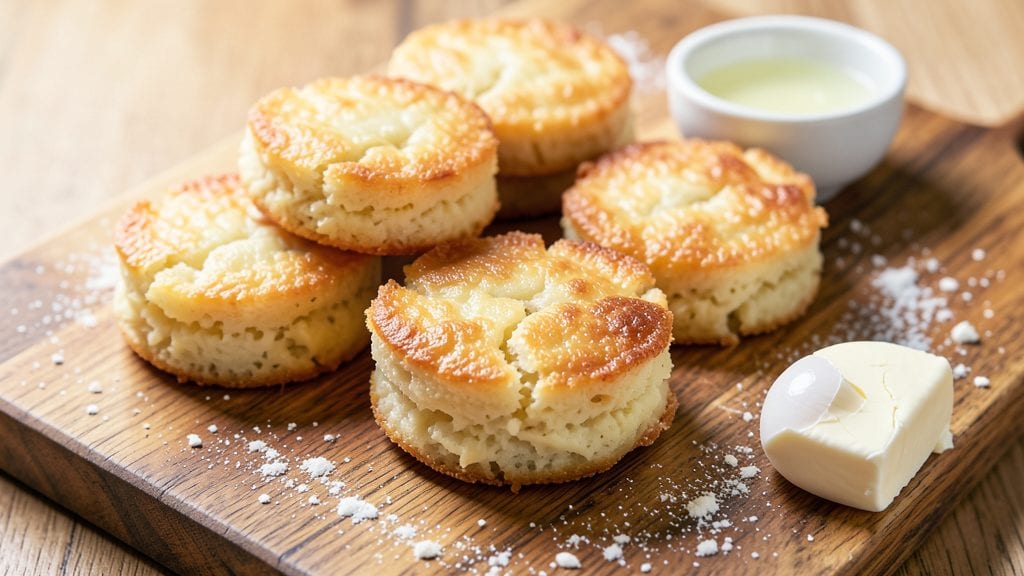
This Cook's Country mashed potato cakes recipe delivers the perfect balance of crispy edges and creamy centers—exactly what elevates any holiday meal from good to unforgettable.
The secret lies in a precise blend of mashed potatoes, vinegar, and egg whites that binds them into golden crowns with a vinegar-kissed tang that cuts through richness. After testing countless variations, this method guarantees restaurant-quality results without the fuss of deep-frying.
What sets these potato cakes apart is their foolproof texture: the vinegar adds brightness while the egg whites create structure, ensuring they hold their shape even when sliced. Baking at high heat develops that coveted crispy crust, while the interior stays tender and fluffy.
The recipe uses simple ingredients—mashed potatoes, eggs, vinegar, and a pinch of salt—but the technique transforms them into a side dish worthy of any special occasion.
By the time they emerge from the oven, you’ll have golden, crispy potato cakes with a delicate crunch that gives way to creamy, buttery centers. The vinegar-kissed tang adds complexity, making each bite brighter and more satisfying.
These are the kind of potato cakes that disappear faster than you can say "seconds, please." They pair perfectly with gravy, roasted meats, or even as a standalone appetizer.
Best of all, this recipe scales effortlessly—whether you're feeding a crowd or prepping for leftovers. The key is keeping the mixture cool while shaping and baking in batches to maintain even crispiness.
Trust the method, and you’ll have a side dish that steals the show every time. Let’s get started on perfecting your technique.
Ingredients for cook's country mashed potato cakes
Simple ingredients, restaurant-quality results. The secret to perfect golden potato cakes lies in precise ratios.
| Ingredient | Amount | Notes |
|---|---|---|
| Instant Mashed Potatoes 🥔 | 2 cups | Prepared according to package directions |
| Large Egg Whites 🥚 | 4 whole | Freshly separated, cold |
| White Vinegar 💧 | 2 tbsp | Distilled for best results |
| Unsalted Butter 🧈 | 2 tbsp | Cold, cubed for texture |
| Diamond Crystal Kosher Salt 🧂 | ½ tsp | Adjust to taste |
| All-Purpose Flour 🌾 | 2 tbsp | For binding mixture |
| Vegetable Oil 🫒 | 2 tbsp | For greasing baking sheet |
| Cornstarch 🌾 | 1 tbsp | For extra crispiness |
| Freshly Ground Black Pepper 🌶️ | ¼ tsp | Freshly cracked preferred |
| Heavy Cream 🥛 | 1 tbsp | For extra creaminess (optional) |
The mashed potatoes are the foundation, so instant potatoes work best here—they’re light and fluffy without extra moisture. Bob Evans or Hungry Jack are reliable brands, but any instant variety will do as long as it’s prepared exactly as directed. The egg whites need to be cold and freshly separated—room temperature whites won’t whip properly, and they’re the key to structure. For the vinegar, distilled white vinegar adds brightness without overpowering, while apple cider vinegar gives a slightly fruity note. The butter should be cold and cubed—this adds pockets of richness that melt into the cakes during baking, creating that perfect creamy center.
No instant potatoes? Homemade mashed potatoes work, but they’ll need to be very dry and cool completely before mixing—any extra moisture ruins the texture. Short on egg whites? Whole eggs at half the amount plus extra flour can substitute, but the cakes will be denser. The vinegar is non-negotiable—it’s what creates that signature tang, but if you’re sensitive to acidity, lemon juice at half the amount works in a pinch. For extra crispiness, panko breadcrumbs can replace the cornstarch in a 1:1 ratio, though they’ll add a slightly toasted flavor. The heavy cream is optional but worth it if you want that ultra-luxurious texture—skip it if you prefer a lighter cake.
This mixture needs to chill for at least 30 minutes before shaping—it’s worth the wait. Once shaped, the cakes keep in the fridge for 2 days before baking, but bake them fresh for the best texture. After baking, they’re best served immediately, but any leftovers reheat beautifully in a 350°F oven for 10 minutes. For make-ahead prep, shape the cakes and freeze them on a tray before transferring to a bag—bake straight from frozen, adding 2-3 minutes to the time. They also freeze beautifully after baking, just reheat to crisp up again.
Why You'll Love This Recipe
- No Pantry Haul Needed: I keep a box of instant mashed potatoes in my cabinet just for these—no fancy prep, no peeling spuds, just mix and bake. The egg whites and vinegar trick gives them that light, fluffy texture without extra effort, and honestly? My lazy Sundays thank me.
- Crispy Outside, Cloud Inside: That vinegar-whisked egg white coating? It’s the secret to a golden crust that shatters with the first bite, while the inside stays pillowy-soft. Not the prettiest, but the taste makes up for it—like a hug from Grandma’s kitchen.
- Weeknight to Potluck Hero: Make a double batch on Sunday, reheat them in the oven for Monday lunch, or freeze them for game day. They’re sturdy enough for tailgates (yes, even on a Tuesday night) but feel fancy enough to bring to a holiday spread—no one will guess they’re basically mashed potato fries.
- Pennies and Time Saved: A single box of instant potatoes and a carton of egg whites cost me less than takeout, and I’ve got leftovers for days. The butter and salt are the only other players, but between us? This recipe’s my go-to when I’m broke or pressed for time—and somehow, it always hits the spot.
Step-by-step instructions for cook's country mashed potato cakes
Here's how to transform creamy mashed potatoes into golden, crispy cakes with a tangy vinegar finish.
Prepare the Mashed Potato Base
Begin by preparing the 2 cups of instant mashed potatoes exactly according to package directions. Use the recommended amount of milk or water—typically about 1 cup—to achieve a smooth, lump-free consistency. The mixture should be thick enough to hold its shape when spooned but still spreadable. Let it cool to room temperature while you prepare the remaining ingredients.
In a separate bowl, whisk together the 2 tbsp of all-purpose flour and 1 tbsp of cornstarch. This combination creates a light, airy texture that prevents the cakes from becoming dense. Sift the mixture directly into the cooled mashed potatoes and gently fold until fully incorporated. The flour and cornstarch will help bind the cakes while adding that coveted crispiness.
Whip the Egg Whites to Stiff Peaks
In a clean, grease-free bowl, beat the 4 whole large egg whites with an electric mixer on medium speed until soft peaks form. Gradually increase the speed to high and continue beating until the egg whites form stiff, glossy peaks that hold their shape when the whisk is lifted. This step is critical for achieving light, airy cakes that rise properly in the oven.
While the egg whites are whipping, combine the 2 tbsp of cold, cubed unsalted butter, 0.5 tsp of diamond crystal kosher salt, 0.25 tsp of freshly ground black pepper, and the 1 tbsp of heavy cream in a small bowl. Mix until the butter is melted and the seasonings are evenly distributed. This flavorful mixture will be folded into the mashed potato base later.
Combine and Chill the Batter
Gently fold one-third of the whipped egg whites into the mashed potato mixture to lighten it. Then, add the butter mixture and fold until fully combined. Finally, carefully fold in the remaining egg whites in two additions, being careful not to deflate the air incorporated during whipping. The batter should be smooth, thick, and slightly glossy, with no visible streaks of egg white.
Transfer the batter to a bowl and cover it with plastic wrap, pressing the wrap directly onto the surface to prevent a skin from forming. Refrigerate for at least 30 minutes, or up to 24 hours. Chilling allows the flour to fully hydrate and the starches to set, which results in firmer cakes that hold their shape during baking and frying.
Shape and Fry the Cakes
Preheat the oven to 350°F. Lightly grease a baking sheet with 2 tbsp of vegetable oil or line it with parchment paper. Remove the batter from the refrigerator and divide it into 4 equal portions. Using wet hands, shape each portion into a smooth, slightly flattened oval about 3/4-inch thick. Place the shaped cakes on the prepared baking sheet and refrigerate for an additional 15 minutes to firm up.
Heat 2 tbsp of vegetable oil in a large skillet over medium heat until it shimmers but does not smoke. Carefully place the chilled potato cakes in the skillet and cook for 3-4 minutes per side, or until golden brown and crispy. The cakes are ready when they release easily from the pan and have developed a deep golden color. Transfer them to a paper towel-lined plate to drain excess oil.
Add the Vinegar Kiss and Serve
While the cakes are still warm, brush each one lightly with the 2 tbsp of white vinegar using a pastry brush. The vinegar will react with the hot cakes, creating a subtle tangy flavor and enhancing their crispy texture. Serve the potato cakes immediately while they're still warm and crispy, accompanied by a dollop of sour cream or a side of applesauce for dipping.
The cakes should have a golden, crackly exterior with a tender, fluffy interior. Each bite should deliver a perfect balance of creamy mashed potato and crispy crust, with a hint of tangy brightness from the vinegar. Enjoy them while they're at their peak texture—these cakes are best served fresh from the skillet.
Pro Tips For Making Cook'S Country Mashed Potato Cakes
- Whip Egg Whites Cold: Take your egg whites straight from the fridge—room temperature makes them clingy and hard to fold. Beat them until stiff peaks form, then gently fold into the mashed potatoes in three additions to keep air trapped. I learned this the hard way when my first batch turned into dense, flavorless pancakes.
- Salt the Vinegar: Mix the white vinegar with a pinch of kosher salt before adding it to the egg whites. This balances the sharpness and makes the cakes lighter—no more metallic aftertaste from the acid. (Yes, even if you’re impatient like me, wait for the salt to dissolve.)
- Press, Don’t Drop: Form the cakes by pressing the mixture into the pan with your palm, not scooping. This creates a tight, even surface that crisps instead of shattering. I used to drop spoonfuls, and they’d crack into sad, uneven shapes every time.
- Rest Before Frying: Let the shaped cakes sit on the counter for 10 minutes before cooking. This lets the starches firm up slightly, so they hold together and don’t fall apart when flipped. (Your future self will thank you—trust me.)
Regional styles of these flavors
New England Crispy Cakes
In New England, these potato cakes are often called "potato pancakes" and are a staple at Thanksgiving and Christmas dinners. The key difference? A thicker batter and a touch of grated onion (½ cup) folded into the mix for extra flavor.
I like to use sharp white cheddar (½ cup, grated) in the batter for a tangy bite that pairs perfectly with maple syrup or brown sugar glaze. 🍁
Southern Fried Potato Cakes
Down South, these cakes take on a deep-fried approach, often served at church potlucks and family reunions. The batter includes crushed Ritz crackers (½ cup) for extra crunch and hot sauce (1 tbsp) for a spicy kick.
After frying, they’re dusted with powdered sugar and served with collard greens or smothered in gravy. The Southern touch? A buttermilk dip on the side for extra creaminess.
Midwest Potato Cake Twists
The Midwest leans into rustic, hearty versions, often incorporating sausage crumbles (½ cup) or diced ham (½ cup) into the batter. These cakes are baked instead of fried, giving them a softer, cake-like texture that’s perfect for holiday buffets.
A caramelized onion topping (sautéed with 1 tbsp brown sugar) adds depth, and they’re often served with apple butter for dipping. 🥓
Appalachian Vinegar-Infused Cakes
In Appalachia, the vinegar isn’t just a finishing touch—it’s a key ingredient in the batter. The recipe calls for 1 extra tbsp of vinegar mixed into the mashed potatoes, giving them a sharper tang that cuts through rich meats like pulled pork or venison.
These cakes are traditionally pan-fried in lard for an extra crispy crust and served with sautéed cabbage or cornbread. The vinegar also helps preserve them longer, making them a favorite for potlucks.
Pacific Northwest Herb Variations
Out West, these cakes get a fresh herb twist with chives (2 tbsp, chopped) and dill (1 tbsp, chopped) folded into the batter. The vinegar is swapped for lemon juice (2 tbsp) to complement local seafood pairings like smoked salmon or Dungeness crab.
For a smoky flavor, add 1 tsp smoked paprika to the batter. These cakes are lighter, almost like herb-infused latkes, and pair well with creamy dill sauce or white wine reduction. 🌿
Nutrition facts
Frequently asked questions
Why do these potato cakes need to chill before baking?
The 30-minute chill is critical—it lets the flour fully hydrate and starches set, preventing the cakes from spreading too much in the pan. Cold batter also helps create that signature crispy exterior while keeping the interior tender. Skipping this step often results in dense, greasy cakes that lack structure.
Can I make these potato cakes ahead of time?
Yes! Shape the cakes and refrigerate them on a tray for up to 2 days before baking. For longer storage, freeze shaped (unbaked) cakes between parchment paper for 1 month. Thaw in the fridge overnight before baking. Already baked cakes reheat best at 350°F for 10 minutes to restore crispiness.
What's the secret to getting them extra crispy?
Three key factors: cornstarch (adds crunch), high heat in the pan (medium-high until golden), and the vinegar finish. For maximum crisp, brush with extra vinegar while warm and bake on a wire rack to allow air circulation. A light spray of oil before baking also helps develop that crackly crust.
Can I substitute the vinegar with something else?
While vinegar creates that signature tang, you can use lemon juice (2 tbsp) for brightness or buttermilk (2 tbsp) for creaminess. However, the acidity is essential—omit it and the cakes will taste flat. For a smoky version, try 1 tsp smoked paprika mixed into the batter instead.
How do I fix if my potato cakes are too dense?
Density usually means too much moisture or not enough structure. Next time, ensure your mashed potatoes are completely cool before mixing, and whip the egg whites to stiff peaks. If your batter seems too wet, add 1 extra tbsp flour or chill longer. For existing dense cakes, serve with extra gravy or sour cream to balance the texture.