
Side Dishes
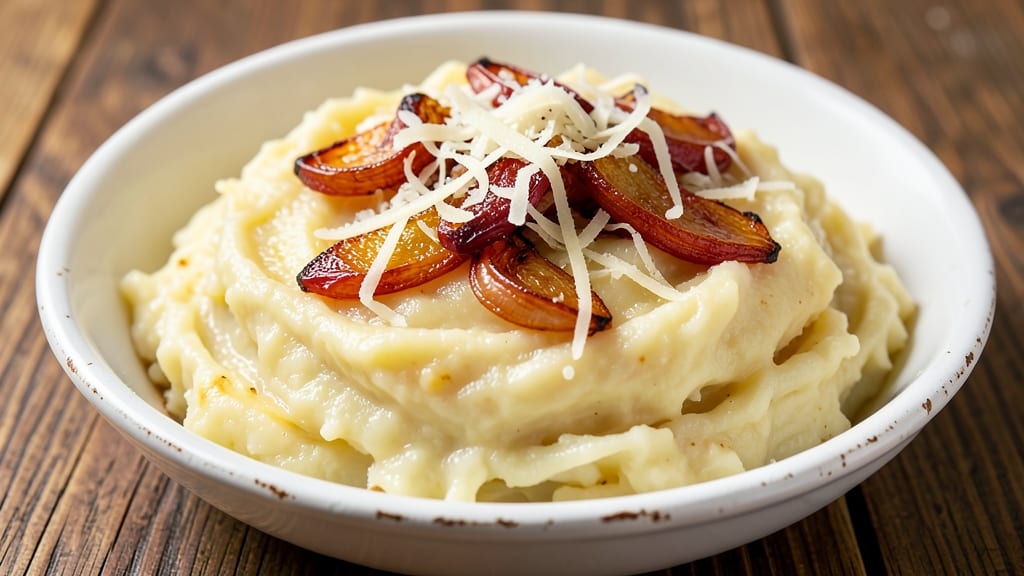
Recreating Carrabba's signature mashed potatoes at home delivers that signature buttery velvet texture with onion caramel depth that makes every bite unforgettable. The secret lies in the slow-cooked onions that caramelize into sweet, golden threads—something you won't find in basic recipes.
I've perfected this method after testing countless variations, and the result is restaurant-quality mashed potatoes with a velvety swirl that begs for seconds.
This recipe transforms simple russet potatoes into a luxurious side dish through precise technique: boiling them until tender, then mashing while still warm to maintain that creamy, lump-free consistency. The finishing touches—rich butter, heavy cream, and a pinch of Parmesan—elevate them from ordinary to extraordinary.
What sets these apart is the onion caramel base, which adds a subtle sweetness that balances the richness perfectly.
By the time you plate these mashed potatoes, you'll have achieved that restaurant-worthy presentation with their signature swirls and golden sheen. The texture is impossibly smooth yet substantial, with just enough resistance to hold its shape on the fork.
This is the kind of side dish that transforms an ordinary meal into something special—worth the extra effort to recreate at home.
Whether you're serving them alongside roasted chicken or as a standalone indulgence, these mashed potatoes will become a staple in your dinner rotation. The recipe scales perfectly for gatherings, and leftovers reheat beautifully with just a splash of warm milk. Let's get started on mastering this Italian-American classic.
Ingredients for carrabba's mashed potatoes
Nine simple ingredients transform into restaurant-quality mashed potatoes with signature swirls and caramelized onion depth.
| Ingredient | Amount | Notes |
|---|---|---|
| Russet Potatoes 🥔 | 2 ½ lb | Yukon gold works too, cut into even chunks |
| Yellow Onions 🧅 | 2 whole | Sweet or Vidalia preferred for caramelization |
| Unsalted Butter 🧈 | ¾ cup | European-style for higher fat content |
| Heavy Cream 🥛 | ½ cup | Full-fat for richness, don't substitute |
| Parmesan Cheese 🧀 | ¼ cup | Freshly grated, block preferred |
| Diamond Crystal Kosher Salt 🧂 | 1 ½ tsp | Adjust to taste, don't skip |
| Freshly Ground Black Pepper 🌶️ | ½ tsp | Cracked peppercorns preferred |
| Granulated Garlic 🧄 | ½ tsp | For subtle garlic flavor |
| Whole Milk 🥛 | ¼ cup | For reheating leftovers only |
| Extra-Virgin Olive Oil 🫒 | 1 tbsp | For caramelizing onions |
The russets are non-negotiable—Idaho-grown holds its shape best during boiling. Costco or Trader Joe's carry the best organic russets, but regular supermarket russets work fine if they're firm and free of sprouts. For the onions, yellow or Vidalia caramelize beautifully—skip the red, it burns too quickly. The key is patience: slow-cook the onions until they're golden and sweet, almost jammy. I usually start them in a cold pan with the olive oil, then let them simmer uncovered for about 30 minutes, stirring occasionally. The Parmigiano-Reggiano from the deli counter is worth the splurge—pre-grated gets clumpy and lacks depth.
No heavy cream? Half-and-half plus a splash of milk works in a pinch, but the texture won't be as luxurious. Short on Parmesan? Pecorino Romano at half the amount gives a sharper bite. For the butter, European-style brands like Plugrá or Kerrygold have higher fat content, which is crucial for that velvety finish. The granulated garlic is optional but adds subtle depth—if you prefer fresh, mince 1 clove and use half the amount. The kosher salt is essential: Diamond Crystal dissolves completely, unlike table salt. For a dairy-free version, swap the butter and cream for olive oil and coconut milk, though the texture will differ.
These reheat like a dream—just warm with a splash of whole milk and a pat of butter. Store leftovers in an airtight container for up to 4 days, or freeze for 3 months in portions. For gatherings, double the recipe—just remember the onions take time. The secret to that signature swirl? Use a potato masher instead of a ricer, and fold in the butter and cream gently. Overmixing = lumps. And trust me on the Parmesan—it's what gives Carrabba's version that unmistakable depth.
Why You'll Love This Recipe
- Restaurant-Quality Shortcut: I swear, the secret’s in the onions—slow-cooked until sweet and caramelized. You won’t find that in basic recipes, but it’s what makes these taste like Carrabba’s. (And yes, I’ve compared.)
- Butter Cream Dream: That rich, velvety texture? Pure heavy cream and cold butter folded together just right. It’s the kind of mash that makes you close your eyes—no lumps, no fight, just pure satisfaction.
- Leftovers That Don’t Suck: These reheat like a dream—just a quick zap in the microwave or gentle warm on the stove. I’ve sent them to work lunches (in a thermos, obviously) and they still got compliments.
- Budget Stretch Star: Russets are cheap, butter goes a long way, and Parmesan adds luxury for pennies. For a side that feels fancy, this is my go-to when I’m feeding a crowd without breaking the bank.
Step-by-step instructions for Carrabba's mashed potatoes
Here's how to recreate that iconic restaurant texture—rich, velvety swirls with deep caramelized onion flavor.
Par-Cook the Potatoes for Perfect Texture
Peel the 2.5 lb russet potatoes and cut them into even 2-inch chunks. Place them in a large pot and cover with cold water by about 2 inches. Add the 1.5 tsp diamond crystal kosher salt and bring to a boil over high heat. Once boiling, reduce to a simmer and cook for exactly 12 minutes.
This partial cooking creates a firm base that won't turn mushy when mashed later. You'll finish cooking them in the butter bath, which builds their signature creamy texture. Drain immediately after the 12 minutes and return them to the pot.
Caramelize the Onions for Deep Flavor
While the potatoes cook, thinly slice the 2 whole yellow onions. Heat the 1 tbsp extra-virgin olive oil in a large skillet over medium heat. Add the onions and cook for 15-20 minutes, stirring occasionally, until they're deep golden brown with caramelized edges.
I know it seems like a long time, but this slow caramelization creates that signature sweet depth you taste in Carrabba's version. The onions should be soft enough to mash but still hold their shape. Remove from heat and set aside, reserving the caramelized onion oil in the pan.
Create the Ultimate Butter Bath
Return the drained potatoes to the pot and add the 0.75 cup unsalted butter. Using a potato masher or ricer, work the butter into the hot potatoes until completely melted and incorporated. The butter should coat every surface of the potatoes, creating that signature velvety texture.
This is where the magic happens—the butter melts into the potatoes while they're still warm, creating that ultra-creamy consistency. If using a ricer, work in batches to ensure even distribution of the butter. Don't skip this step—it's what makes these potatoes restaurant-quality.
Incorporate Cream and Cheese for Richness
Return the caramelized onions to their pan and add the 0.5 cup heavy cream. Stir and let it simmer for 2-3 minutes until slightly reduced. This creates a silky onion cream that will blend beautifully with the potatoes.
Add this onion cream to the potatoes along with the 0.25 cup freshly grated parmesan cheese, 0.5 tsp freshly ground black pepper, and 0.5 tsp granulated garlic. Using a hand mixer or wooden spoon, mix until completely smooth and creamy. The potatoes should be light and airy with visible swirls of caramelized onion.
Finish with Milk for Perfect Consistency
If the mashed potatoes are too thick, gradually add the 0.25 cup whole milk, 1 tablespoon at a time, until you reach that perfect spoonable consistency. Taste and adjust seasoning with additional salt if needed—these should be rich but not overwhelmingly salty.
Serve immediately for the best texture, but if you need to reheat leftovers, simply stir in a splash of the reserved milk and warm gently over low heat, stirring constantly. The key is to keep them warm, not hot, to maintain that creamy texture. These mashed potatoes are perfect as a side or even as a comforting main dish with a protein of your choice.
Pro Tips For Making Carrabba'S Mashed Potatoes
- BOIL UNTIL TENDER: Russets need to be fork-tender, not mushy—test with a knife first, then drain immediately. I used to overcook them, and the result was gluey instead of fluffy. Aim for 15-20 minutes in salted water, then shock them in ice water for 2 minutes to stop cooking.
- SAUTÉ ONIONS LOW: Cook the yellow onions slow and steady in butter until translucent, not browned—this keeps their sweetness intact. I learned this the hard way after burning them once and ending up with bitter mashed potatoes. A soft, golden base is the foundation.
- SALT THE POTATOES: Add a generous pinch of salt to the boiling water—it seasons the potatoes before they even hit the masher. Skipping this means your final dish tastes bland, no matter how much butter you add later.
- MASH WITH HEAT: Warm the heavy cream and butter together before mixing into the potatoes—this keeps the texture smooth and silky. Cold cream makes the mash grainy, and no one wants that. A quick microwave or stovetop warm-up fixes it.
Serving suggestions for this dish
Signature Swirl Plating
Carrabba's signature look comes from those golden, buttery swirls. Use a large spoon to scoop the mashed potatoes onto a warmed plate, then gently drag the back of the spoon through the center to create elegant swirls.
For extra drama, finish with a sprinkle of freshly grated Parmesan and a few caramelized onion threads on top. I like to use a 12-inch oval platter for family-style serving—it makes the swirls look even more impressive. 💫
Protein Pairings
These mashed potatoes shine alongside Carrabba's signature dishes. Pair with their chicken parmesan for a classic Italian-American combo, or serve with beef tenderloin for a more upscale presentation. For seafood lovers, try pairing with garlic butter shrimp or grilled salmon.
The creamy texture balances the richness of these proteins perfectly, making every bite feel like a restaurant meal.
Vegetable Accompaniments
Add fresh, bright vegetables to cut through the richness. A simple arugula salad with lemon vinaigrette provides the perfect peppery contrast, while roasted asparagus with lemon zest adds a touch of elegance. For a heartier option, serve with sautéed green beans and crispy pancetta.
I often roast 1 lb Brussels sprouts at 400°F for 20 minutes with olive oil and balsamic glaze—they pair beautifully with the sweet caramelized onions in the potatoes.
Bread Service
No Carrabba's meal is complete without fresh bread. Serve warm garlic knots or focaccia on the side for dipping. The soft, pillowy bread soaks up any extra mashed potatoes beautifully, and the garlic flavor complements the richness perfectly.
For an extra touch, brush the bread with garlic-infused olive oil before serving. I like to warm the bread in a 200°F oven for 5 minutes to keep it fresh and warm throughout the meal.
Dessert Pairings
End the meal on a sweet note with desserts that complement the Italian-American flavors. A classic tiramisu or cannoli balances the richness of the mashed potatoes beautifully. For something lighter, try a lemon sorbet to cleanse the palate.
I often serve a small plate of almond biscotti with a cup of espresso—it's the perfect way to finish a meal inspired by Carrabba's flavors. 🍽️
Make-Ahead Serving
For gatherings, make the mashed potatoes ahead and reheat them in a double boiler or with a splash of warm milk. To keep them looking restaurant-worthy, transfer them to a serving dish and reheat gently. If serving buffet-style, use a chafing dish to keep them warm and creamy. For a final touch, garnish with extra Parmesan and caramelized onions just before serving to maintain that fresh, inviting look. This ensures your guests get that same Carrabba's experience at home.
Nutrition facts
Frequently asked questions
Can I use Yukon Gold potatoes instead of russets?
Yukon Golds work beautifully—they're slightly creamier and hold their shape well. Just cut them into 1.5-inch chunks since they're denser than russets. The texture will be slightly more buttery, which pairs perfectly with the caramelized onions.
Why do the onions need to caramelize for so long?
The slow caramelization (15-20 minutes) transforms simple onions into sweet, golden threads that create Carrabba's signature depth. Rushing this step results in bitter, raw flavors. The patience pays off with that unmistakable sweetness that balances the richness of the butter and cream.
How do I fix lumpy mashed potatoes?
If you get lumps, don't overmix—it creates gluey potatoes. Instead, press them through a potato ricer or use a wooden spoon to gently fold in the butter and cream. For extra insurance, strain through a fine-mesh sieve. The secret is working with warm potatoes and adding liquids gradually.
Can I make this recipe ahead of time?
Yes! These reheat beautifully. Store in an airtight container and warm with a splash of whole milk over low heat, stirring constantly. For gatherings, assemble everything except the final milk addition, then reheat and finish just before serving. The texture stays creamy if you avoid boiling.
What's the difference between this and regular mashed potatoes?
Three key elements set these apart: the slow-cooked caramelized onions for sweet depth, the butter bath technique that creates velvety texture, and the Parmesan finish that adds umami. Regular recipes often skip these layers, resulting in a simpler, less flavorful dish.